Customer Experience (CX): Definition, Importance, and Strategies for Success
Tue, 25 February 2025

Follow the stories of academics and their research expeditions
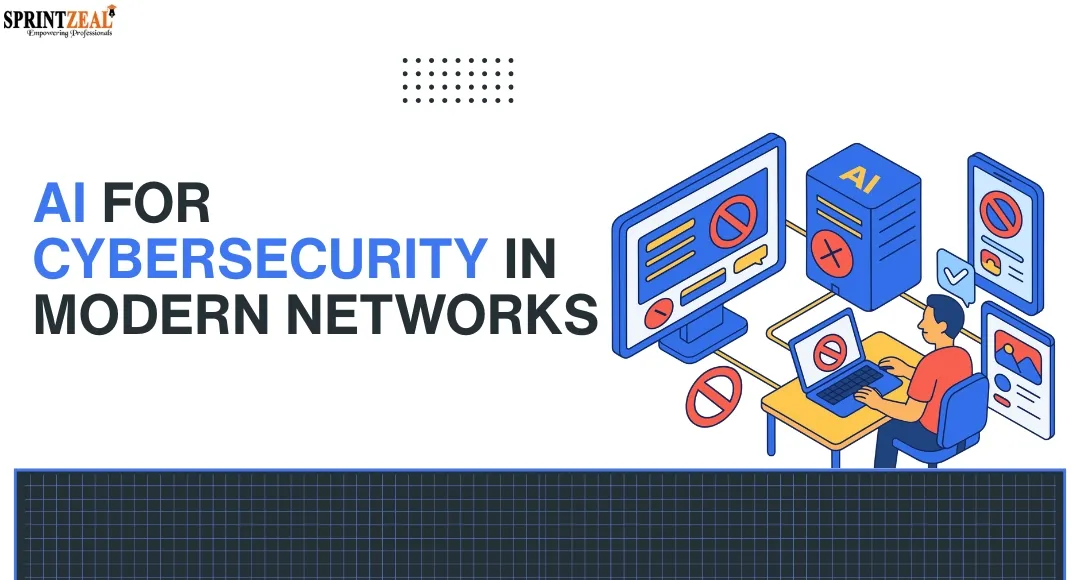
Cybersecurity moves fast today. Threats shift every month, and attackers now use machine-generated messages, scripts, and automated text to slip into systems. Many companies once depended on firewalls and antivirus tools alone. That approach no longer keeps networks safe on its own. Modern systems need tools that understand patterns in writing, logs, and communication. This is where an AI detector becomes valuable.
AI-generated attacks are harder to spot. They copy human style. They rewrite themselves endlessly. They move in ways older filters cannot catch. Security teams need smarter tools that read deeper than keywords. AI detection steps in by finding machine patterns before they reach employees or critical systems.
Attackers do not always break in through code. Many attacks begin with carefully crafted messages. Fake account warnings. Synthetic emails that copy company tone. Auto-generated reports with dangerous links. These messages look normal because the writing appears human.
A simple filter cannot catch these attacks anymore. AI text uses correct grammar. Sentences look clean. Messages sound calm and believable. That makes it easy for a busy employee to trust something written by a bot.
AI detection solutions examine structure, rhythm, token use, and hidden text behavior. They notice patterns a person would miss. A message may look safe to a human, but an AI detector sees signs that point to automation.
AI detection tools are like an extra set of eyes for security teams. They scan messages, tickets, and logs, and then flag suspicious content early.
Phishing emails used to be full of mistakes. That changed fast. Attackers now use AI tools to write messages that look smooth and polished. These systems create hundreds of versions in seconds. A human cannot scan all of them. An AI detector can.
It highlights unusual structure, odd phrasing patterns, missing human cues, and machine-like rhythm. These small signs help organizations stop phishing attempts before someone clicks a bad link.
Bots create noise in networks. They send repeated requests. They submit fake support tickets. They attempt logins from multiple accounts. Their messages look simple, but the text patterns reveal automation.
AI detection checks message logs and flags text that doesn’t match natural human writing. This helps security teams block bot traffic quickly.
Chat apps and internal messaging tools have become common entry points. Attackers create fake accounts and join company spaces quietly. Their first messages often look harmless. AI detection scans early interactions and flags strange writing behavior. This creates a warning before harm spreads.
Security teams use more than one tool to stay prepared. An AI detector serves one purpose. Other tools serve different needs.
A paraphrasing tool helps rewrite sensitive reports before sharing them externally.
A summarizer helps teams scan long security documents quickly.
A grammar checker keeps internal communication clear, so instructions never confuse staff.
These tools support clarity and speed. AI detection supports safety. Both work together, but each plays a separate role.
People used to think network security focused only on code. Today, text has become part of the attack surface. A single message can trigger a dangerous chain of events.
AI-generated writing hides malicious links under smooth language. The attacker may sound trustworthy. This is why text pattern analysis matters more today. An AI detector studies writing behavior, not only meaning. This adds a layer of defense older tools cannot provide.
Large companies deal with thousands of messages. Security teams cannot manually review all of them. AI detection works in the background and flags the messages that matter.
Internal attacks often start with a compromised inbox. Attackers use stolen accounts to send fake instructions. AI detection spots sudden changes in writing behavior and alerts security.
Bots often target support systems. They pretend to be customers. They send pre-planned text. AI detection spots the machine-written patterns and blocks the activity.
Password reset messages and access requests arrive all day. Attackers copy these formats. AI detection checks the structure behind each request and flags anything suspicious.
A security team receives a batch of emails. All messages look clean. The writing seems normal. Nothing stands out. A quick scan using an AI detector reveals that several emails share the same machine-generated pattern. The team blocks the requests before anyone approves them.
In another case, a support tool receives hundreds of fake tickets. Staff members think it is a rush of customer issues. AI detection highlights unusual repetition inside the writing. The bot is blocked before sending harmful attachments.
These small moments prevent major incidents.
Modern networks already use behavior monitoring. These tools watch for unusual device access or login patterns. AI detection adds a second layer: text analysis.
Behavior tools follow activity. AI detectors follow writing. When both signals point to trouble, the system responds fast. This combined method strengthens overall security in a simple, practical way.
Good cybersecurity starts with simple steps. Teams often begin by scanning incoming messages. Then they move to internal chats and support systems. After that, they train employees to understand how detection helps.
Many companies start small. A pilot group tests the detector. They examine alerts, review patterns, and share results with leadership.
The goal is not to block all machine text. The purpose is to stop harmful machine-generated content that threatens the network.
AI models continue to advance. Attackers will keep using them. Companies need tools that understand how these models write. That is why an AI detector remains important.
More workplace communication moves online every year. Text becomes a larger target. A detector reads the patterns behind that text and protects people before threats spread.
Cybersecurity depends on early warning. Attackers use AI to move faster. Defenders now use AI detection to stay ahead. A strong detection system reads writing patterns, spots threats early and keeps networks safer.
Organizations that combine AI detection with clear communication tools such as a summarizer, grammar checker, and paraphrasing tool strengthen their workflow. Clear writing improves teamwork. Early detection protects systems - both matter.
Cybersecurity moves fast today. Threats shift every month, and attackers now use machine-generated messages, scripts, and automated text to slip into systems. Many companies once depended on firewalls and antivirus tools alone. That approach no longer keeps networks safe on its own. Modern systems need tools that understand patterns in writing, logs, and communication. This is where an AI detector becomes valuable.
AI-generated attacks are harder to spot. They copy human style. They rewrite themselves endlessly. They move in ways older filters cannot catch. Security teams need smarter tools that read deeper than keywords. AI detection steps in by finding machine patterns before they reach employees or critical systems.
Attackers do not always break in through code. Many attacks begin with carefully crafted messages. Fake account warnings. Synthetic emails that copy company tone. Auto-generated reports with dangerous links. These messages look normal because the writing appears human.
A simple filter cannot catch these attacks anymore. AI text uses correct grammar. Sentences look clean. Messages sound calm and believable. That makes it easy for a busy employee to trust something written by a bot.
AI detection solutions examine structure, rhythm, token use, and hidden text behavior. They notice patterns a person would miss. A message may look safe to a human, but an AI detector sees signs that point to automation.
AI detection tools are like an extra set of eyes for security teams. They scan messages, tickets, and logs, and then flag suspicious content early.
Phishing emails used to be full of mistakes. That changed fast. Attackers now use AI tools to write messages that look smooth and polished. These systems create hundreds of versions in seconds. A human cannot scan all of them. An AI detector can.
It highlights unusual structure, odd phrasing patterns, missing human cues, and machine-like rhythm. These small signs help organizations stop phishing attempts before someone clicks a bad link.
Bots create noise in networks. They send repeated requests. They submit fake support tickets. They attempt logins from multiple accounts. Their messages look simple, but the text patterns reveal automation.
AI detection checks message logs and flags text that doesn’t match natural human writing. This helps security teams block bot traffic quickly.
Chat apps and internal messaging tools have become common entry points. Attackers create fake accounts and join company spaces quietly. Their first messages often look harmless. AI detection scans early interactions and flags strange writing behavior. This creates a warning before harm spreads.
Security teams use more than one tool to stay prepared. An AI detector serves one purpose. Other tools serve different needs.
These tools support clarity and speed. AI detection supports safety. Both work together, but each plays a separate role.
People used to think network security focused only on code. Today, text has become part of the attack surface. A single message can trigger a dangerous chain of events.
AI-generated writing hides malicious links under smooth language. The attacker may sound trustworthy. This is why text pattern analysis matters more today. An AI detector studies writing behavior, not only meaning. This adds a layer of defense older tools cannot provide.
Large companies deal with thousands of messages. Security teams cannot manually review all of them. AI detection works in the background and flags the messages that matter.
Internal attacks often start with a compromised inbox. Attackers use stolen accounts to send fake instructions. AI detection spots sudden changes in writing behavior and alerts security.
Bots often target support systems. They pretend to be customers. They send pre-planned text. AI detection spots the machine-written patterns and blocks the activity.
Password reset messages and access requests arrive all day. Attackers copy these formats. AI detection checks the structure behind each request and flags anything suspicious.
A security team receives a batch of emails. All messages look clean. The writing seems normal. Nothing stands out. A quick scan using an AI detector reveals that several emails share the same machine-generated pattern. The team blocks the requests before anyone approves them.
In another case, a support tool receives hundreds of fake tickets. Staff members think it is a rush of customer issues. AI detection highlights unusual repetition inside the writing. The bot is blocked before sending harmful attachments.
These small moments prevent major incidents.
Modern networks already use behavior monitoring. These tools watch for unusual device access or login patterns. AI detection adds a second layer: text analysis.
Behavior tools follow activity. AI detectors follow writing. When both signals point to trouble, the system responds fast. This combined method strengthens overall security in a simple, practical way.
Good cybersecurity starts with simple steps. Teams often begin by scanning incoming messages. Then they move to internal chats and support systems. After that, they train employees to understand how detection helps.
Many companies start small. A pilot group tests the detector. They examine alerts, review patterns, and share results with leadership.
The goal is not to block all machine text. The purpose is to stop harmful machine-generated content that threatens the network.
Cybersecurity depends on early warning. Attackers use AI to move faster. Defenders now use AI detection to stay ahead. A strong detection system reads writing patterns, spots threats early and keeps networks safer.
Organizations that combine AI detection with clear communication tools such as a summarizer, grammar checker, and paraphrasing tool strengthen their workflow. Clear writing improves teamwork. Early detection protects systems - both matter.

Sprintzeal
Tue, 25 February 2025
Mon, 31 March 2025

Tue, 25 February 2025


© 2024 Sprintzeal Americas Inc. - All Rights Reserved.

 USA : +1315-322-7821
 UK : +44 7700 174870
 IND : +919008230179
 AUS : +61 480 005 455
Leave a comment