Customer Experience (CX): Definition, Importance, and Strategies for Success
Tue, 25 February 2025

Severity: Warning
Message: file_get_contents(http://www.geoplugin.net/json.gp?ip=216.73.216.239): Failed to open stream: HTTP request failed! HTTP/1.1 403 Forbidden
Filename: helpers/location_helper.php
Line Number: 77
Backtrace:
File: /home/sprintzeal.org/public_html/application/helpers/location_helper.php
Line: 77
Function: file_get_contents
File: /home/sprintzeal.org/public_html/application/controllers/Blog.php
Line: 109
Function: location_details
File: /home/sprintzeal.org/public_html/index.php
Line: 289
Function: require_once
Follow the stories of academics and their research expeditions
In today’s fast-paced digital world, the rise of AI therapy tools offers an unexpected yet deeply welcome shift in how we care for our emotional health. For many, finding a quiet, judgment-free space to think, reflect, and feel heard has become a challenge—this is where AI-based therapist alternatives come in.
From poetic self-reflection to guided prompts and emotional support, a growing number of platforms now serve as AI companions for mental wellness. Let’s dive into seven of the most notable AI therapist experiences currently available—and discover how they’re reshaping the way we interact with ourselves.
Overview
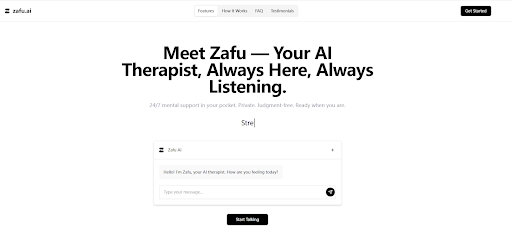
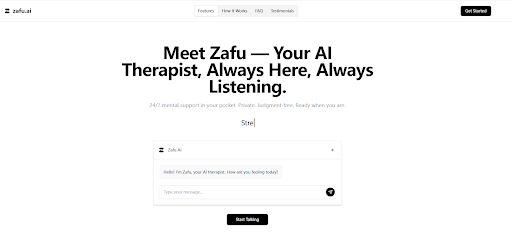
Zafu AI takes an unconventional route in the mental wellness space. Rather than replicating a human therapist, it invites users into a meditative space of self-discovery, using poetic metaphors, open-ended questions, and mindful stillness. It’s less about “fixing” and more about witnessing.
Features
- Designed for contemplative, reflective dialogue
- Emphasizes presence and emotional spaciousness
- Free to use with no account or personal data tracking
- Ideal for those seeking clarity, stillness, or gentle self-inquiry
- No diagnoses, no advice—just you and your unfolding thoughts
Zafu AI stands apart for users who want to step away from performance and productivity and return to something quieter: simply being.

Overview
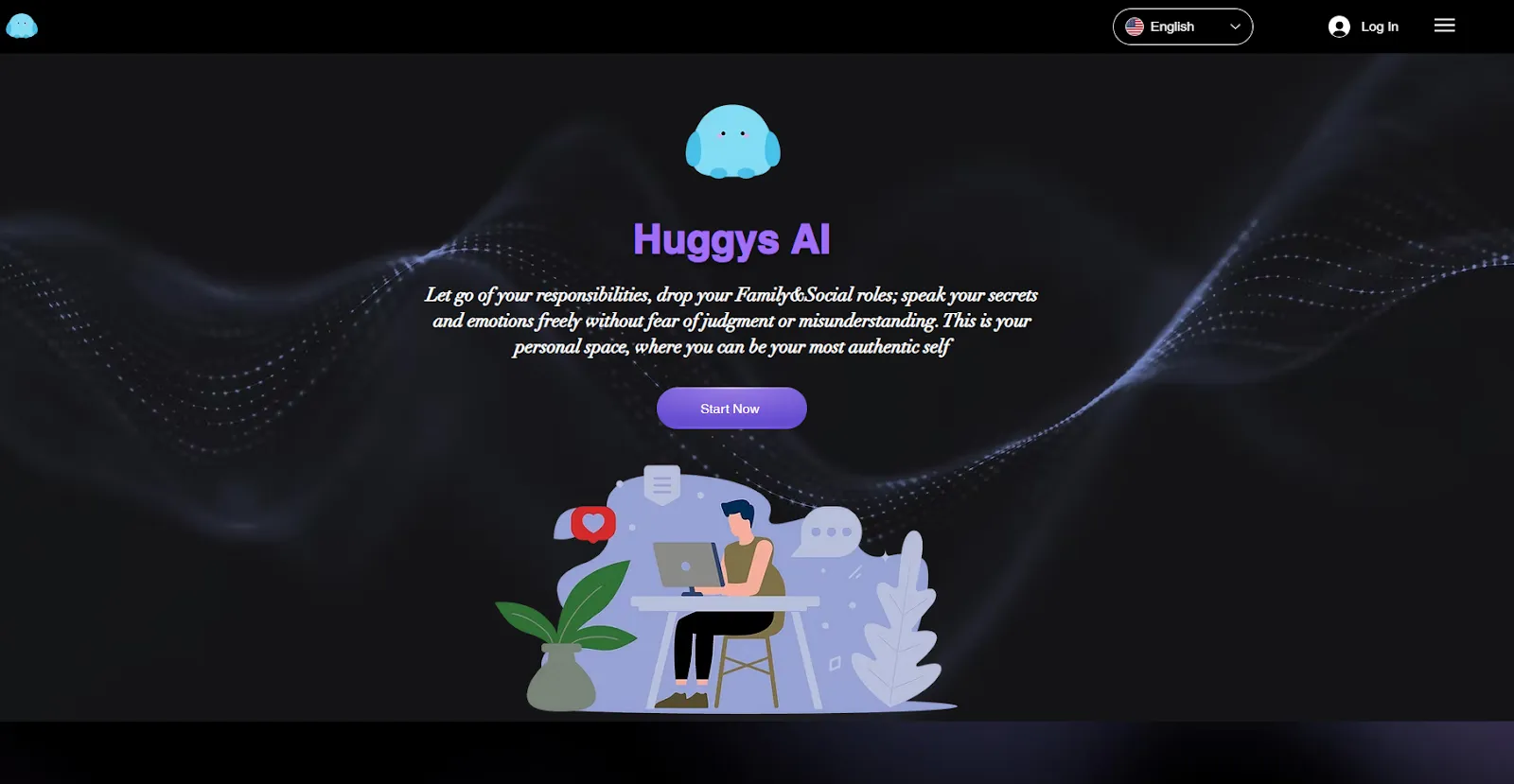
Huggy’s AI is all about warmth. With a lighthearted interface and casual tone, it simulates the comfort of speaking with a supportive friend. Its mission is simple: offer users a virtual hug when they need it most.
Features
- Focused on emotional affirmation and kindness
- Friendly language that avoids judgment
- Free tier with optional premium features
- Suitable for users who just want to feel comforted
- Quick access with minimal onboarding
It’s perfect for those looking for a daily pick-me-up or quick reassurance during emotionally rough moments.

Overview
Abby blends AI therapy with personal development tools. Think of it as a structured wellness companion: it helps users track moods, write thoughts, and build habits—all while chatting with a friendly bot trained to reflect, not instruct.
Features
- Daily mood and reflection journaling
- AI-guided conversations to encourage growth
- Dashboard with personal progress summaries
- Mix of free and paid content
- A balance between chatbot support and structured self-care
Abby’s structured approach is ideal for goal-oriented individuals looking to improve mental clarity over time.
Overview
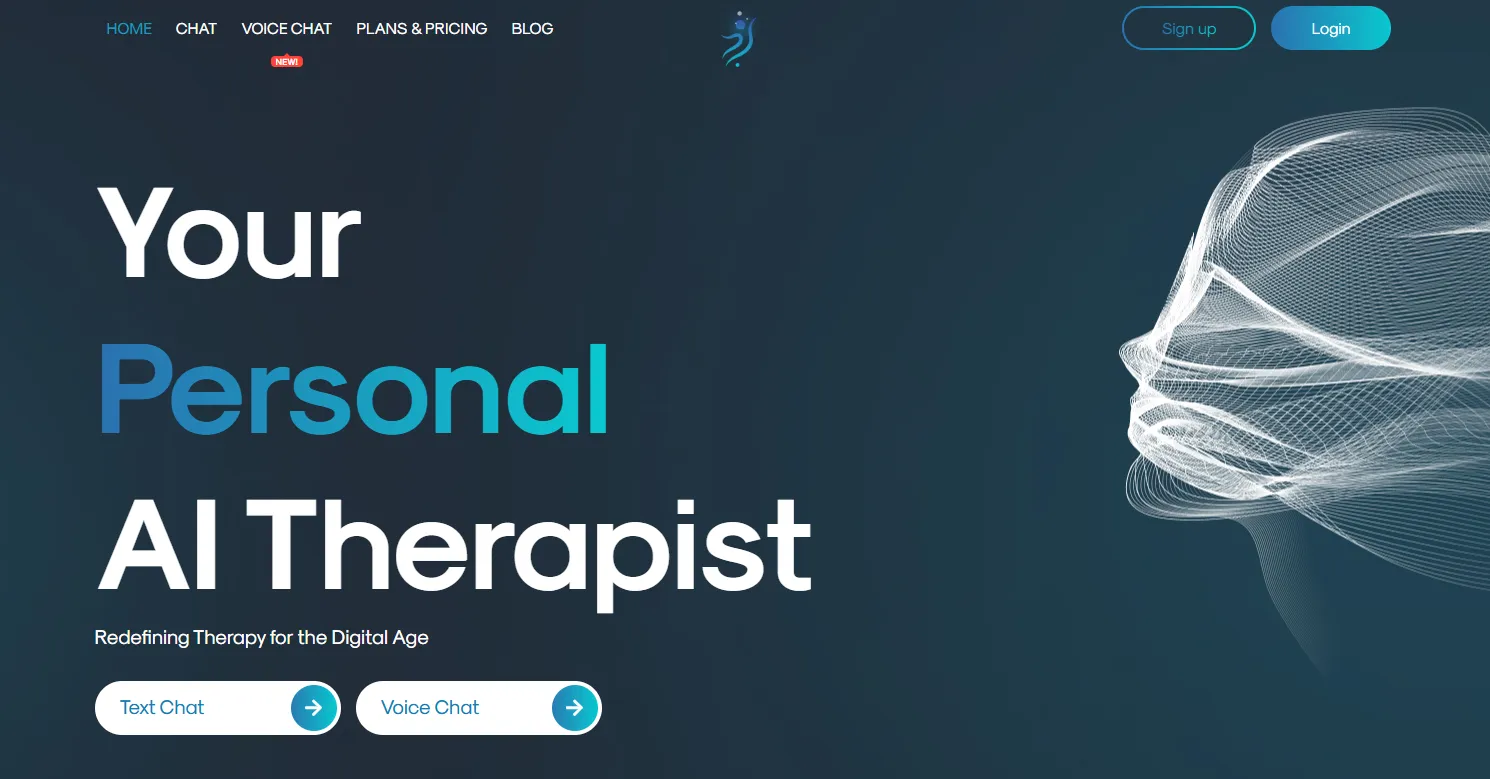
Therapy With AI provides a more traditional experience modeled after therapy sessions. It guides users through conversations resembling therapeutic dialogues, often incorporating techniques from CBT and emotional processing.
Features
- CBT-style questioning for deep reflection
- Customizable topics to focus on anxiety, grief, etc.
- Non-judgmental language with therapeutic framing
- Emulates a typical session-based approach
- Accessible via desktop or mobile browsers
This tool is a good choice for users seeking depth and direction, with more structure than casual chatbots typically provide.

Overview
As the name suggests, this platform doesn’t claim to be a therapist—it’s simply an AI that listens. It offers a raw, unfiltered space to talk things out without algorithms trying to fix or redirect you.
Features
- Free and anonymous conversations
- No data storage or tracking
- A space for emotional unloading without intervention
- Honest, minimalist design
- Useful for moments of emotional venting or solitude
While not the most sophisticated, it respects your space—and sometimes, that’s all you need.

Overview
PsyHelp AI integrates established psychological models into its design. The platform is more academic, offering users structured tools that reflect therapeutic strategies, especially those rooted in cognitive behavioral therapy.
Features
- Uses CBT-style frameworks and psychoeducation
- Emotion tracking and session summaries
- Available in multiple languages
- Great for self-study or emotional pattern recognition
- Ideal for users wanting both support and insight
Its balance of psychological rigor and accessibility makes PsyHelp a powerful tool for mental health awareness.
Overview
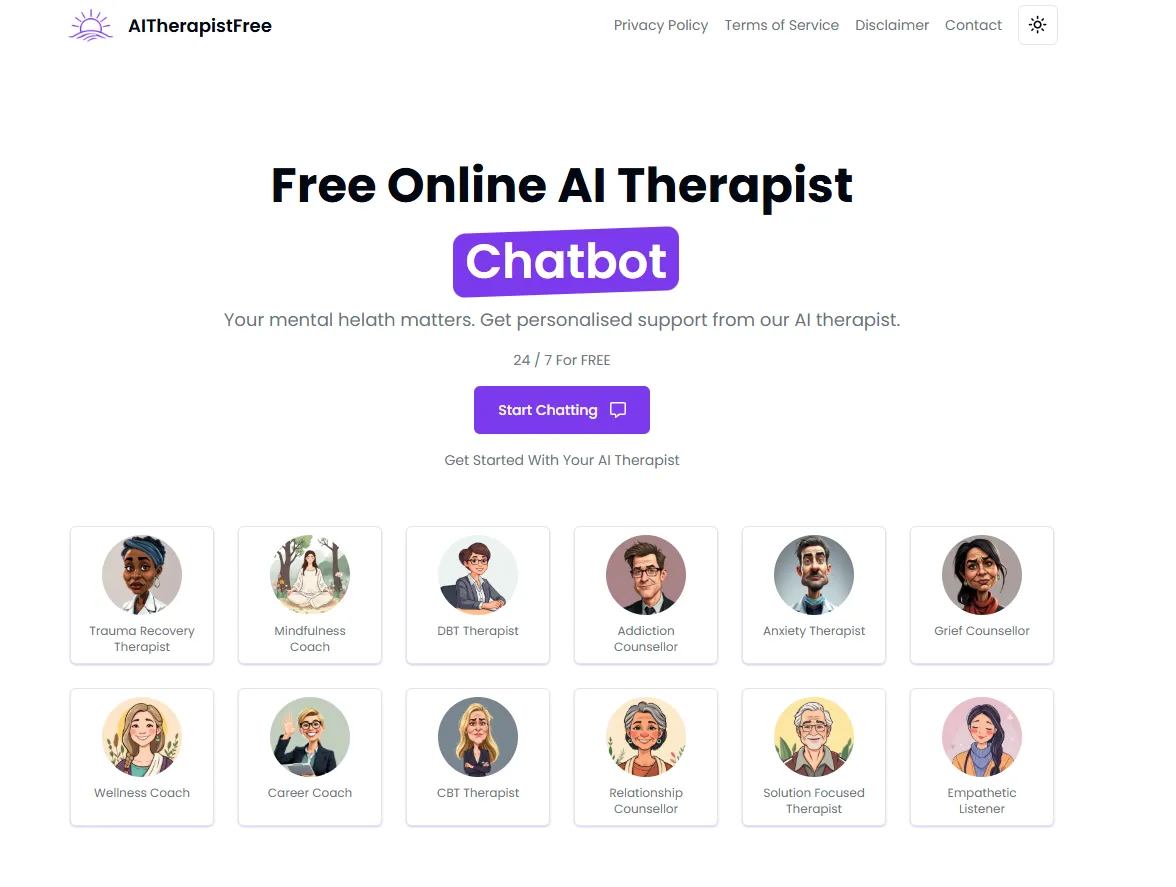
This platform offers fast, no-cost AI conversations designed to support emotional wellbeing. It operates with a “zero barrier to entry” mindset—no registration, no fees, no pressure.
Features
- Completely free and instant to access
- Designed for short, supportive conversations
- Simple interface with minimal friction
- Emphasizes emotional presence over therapy models
- Great for late-night check-ins or emotional offloading
AI Therapist Free is a popular option for those seeking immediate access to a calm, non-judgmental listener.
There’s no one-size-fits-all when it comes to emotional wellness. What works for one person might not resonate with another—and that’s where the diversity of AI therapist platforms becomes so valuable.
Some tools prioritize structured progress (like Abby or Therapy With AI), while others focus on emotional warmth (Huggy’s) or silent space (Free AI Not a Therapist). Among these, Zafu AI brings a unique offering: not just to think or solve, but to slow down and gently reconnect with yourself.
It’s not loud. It’s not clinical. But sometimes, in the digital age, the quietest tools end up speaking the loudest truths.
In today’s fast-paced digital world, the rise of AI therapy tools offers an unexpected yet deeply welcome shift in how we care for our emotional health. For many, finding a quiet, judgment-free space to think, reflect, and feel heard has become a challenge—this is where AI-based therapist alternatives come in.
From poetic self-reflection to guided prompts and emotional support, a growing number of platforms now serve as AI companions for mental wellness. Let’s dive into seven of the most notable AI therapist experiences currently available—and discover how they’re reshaping the way we interact with ourselves.
Overview
Zafu AI takes an unconventional route in the mental wellness space. Rather than replicating a human therapist, it invites users into a meditative space of self-discovery, using poetic metaphors, open-ended questions, and mindful stillness. It’s less about “fixing” and more about witnessing.
Features
- Designed for contemplative, reflective dialogue
- Emphasizes presence and emotional spaciousness
- Free to use with no account or personal data tracking
- Ideal for those seeking clarity, stillness, or gentle self-inquiry
- No diagnoses, no advice—just you and your unfolding thoughts
Zafu AI stands apart for users who want to step away from performance and productivity and return to something quieter: simply being.
Overview
Huggy’s AI is all about warmth. With a lighthearted interface and casual tone, it simulates the comfort of speaking with a supportive friend. Its mission is simple: offer users a virtual hug when they need it most.
Features
- Focused on emotional affirmation and kindness
- Friendly language that avoids judgment
- Free tier with optional premium features
- Suitable for users who just want to feel comforted
- Quick access with minimal onboarding
It’s perfect for those looking for a daily pick-me-up or quick reassurance during emotionally rough moments.
 Overview
Abby blends AI therapy with personal development tools. Think of it as a structured wellness companion: it helps users track moods, write thoughts, and build habits—all while chatting with a friendly bot trained to reflect, not instruct.
Features
- Daily mood and reflection journaling
- AI-guided conversations to encourage growth
- Dashboard with personal progress summaries
- Mix of free and paid content
- A balance between chatbot support and structured self-care
Abby’s structured approach is ideal for goal-oriented individuals looking to improve mental clarity over time.
Overview
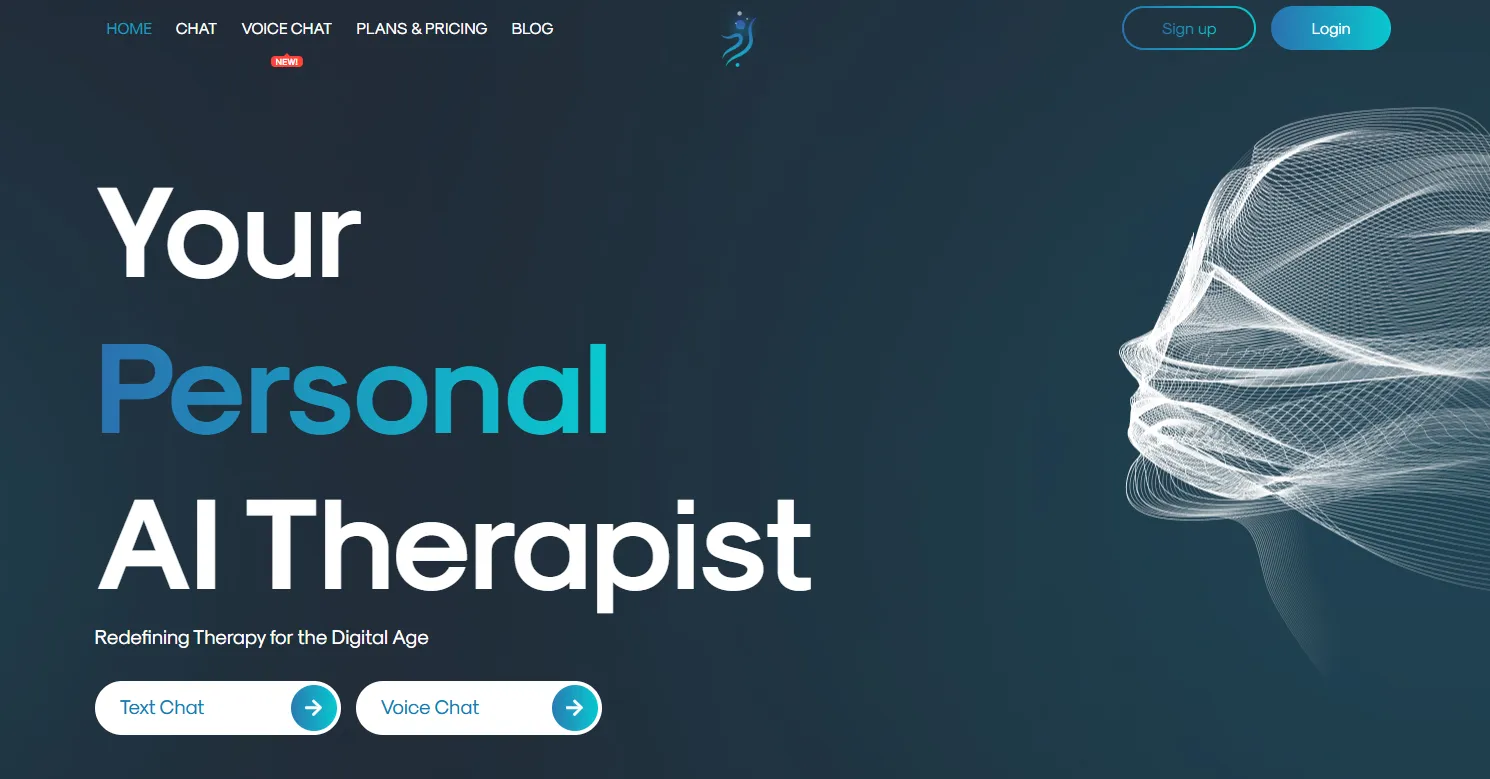
Therapy With AI provides a more traditional experience modeled after therapy sessions. It guides users through conversations resembling therapeutic dialogues, often incorporating techniques from CBT and emotional processing.
Features
- CBT-style questioning for deep reflection
- Customizable topics to focus on anxiety, grief, etc.
- Non-judgmental language with therapeutic framing
- Emulates a typical session-based approach
- Accessible via desktop or mobile browsers
This tool is a good choice for users seeking depth and direction, with more structure than casual chatbots typically provide.

Overview
As the name suggests, this platform doesn’t claim to be a therapist—it’s simply an AI that listens. It offers a raw, unfiltered space to talk things out without algorithms trying to fix or redirect you.
Features
- Free and anonymous conversations
- No data storage or tracking
- A space for emotional unloading without intervention
- Honest, minimalist design
- Useful for moments of emotional venting or solitude
While not the most sophisticated, it respects your space—and sometimes, that’s all you need.
Overview
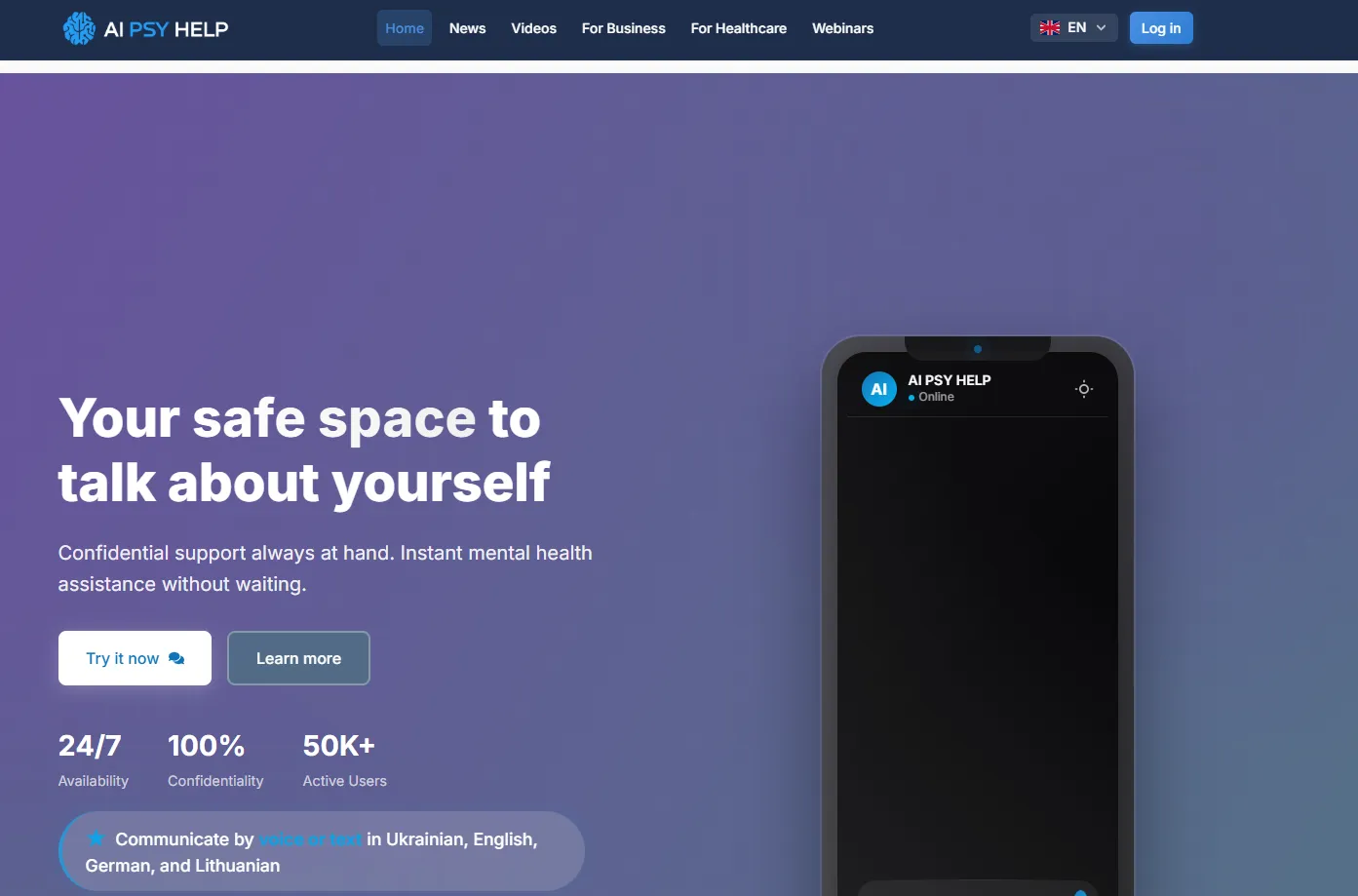
PsyHelp AI integrates established psychological models into its design. The platform is more academic, offering users structured tools that reflect therapeutic strategies, especially those rooted in cognitive behavioral therapy.
Features
- Uses CBT-style frameworks and psychoeducation
- Emotion tracking and session summaries
- Available in multiple languages
- Great for self-study or emotional pattern recognition
- Ideal for users wanting both support and insight
Its balance of psychological rigor and accessibility makes PsyHelp a powerful tool for mental health awareness.
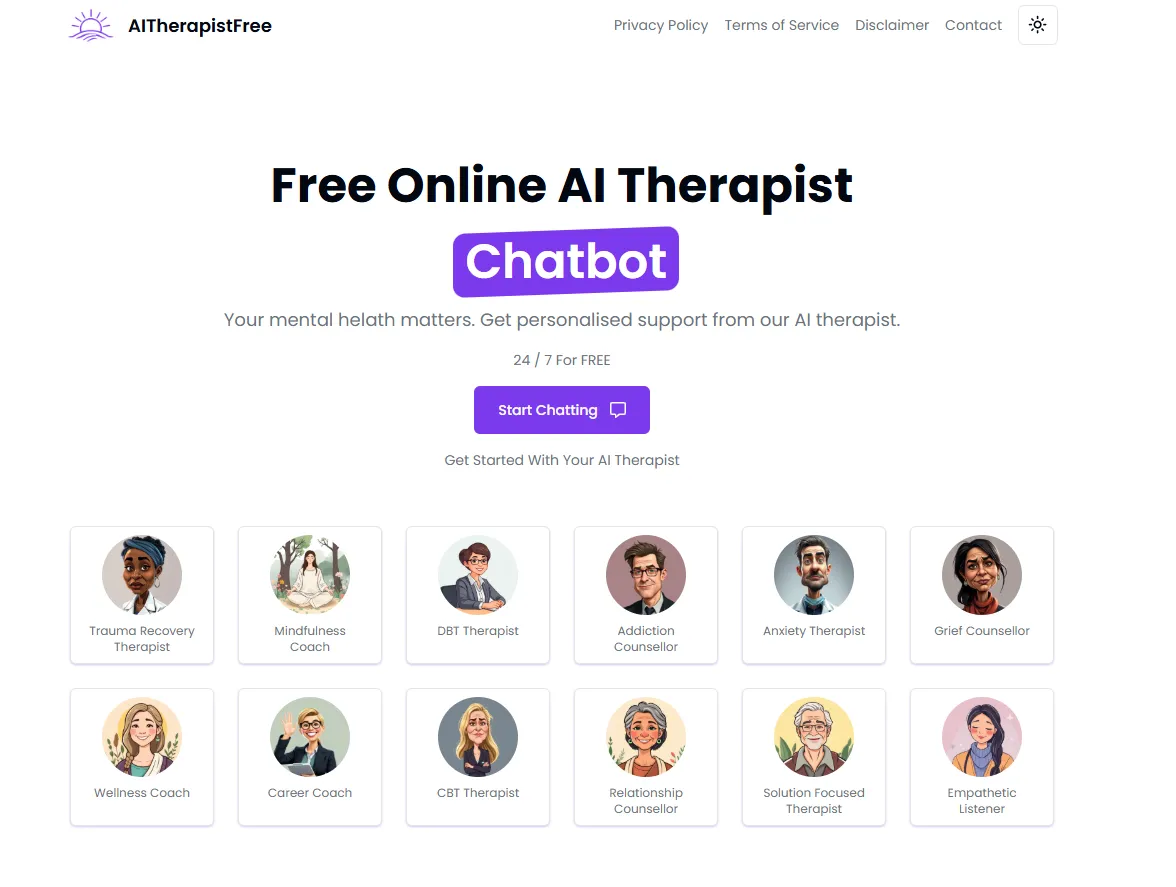 Overview
This platform offers fast, no-cost AI conversations designed to support emotional wellbeing. It operates with a “zero barrier to entry” mindset—no registration, no fees, no pressure.
Features
- Completely free and instant to access
- Designed for short, supportive conversations
- Simple interface with minimal friction
- Emphasizes emotional presence over therapy models
- Great for late-night check-ins or emotional offloading
AI Therapist Free is a popular option for those seeking immediate access to a calm, non-judgmental listener.
There’s no one-size-fits-all when it comes to emotional wellness. What works for one person might not resonate with another—and that’s where the diversity of AI therapist platforms becomes so valuable.
Some tools prioritize structured progress (like Abby or Therapy With AI), while others focus on emotional warmth (Huggy’s) or silent space (Free AI Not a Therapist). Among these, Zafu AI brings a unique offering: not just to think or solve, but to slow down and gently reconnect with yourself.
It’s not loud. It’s not clinical. But sometimes, in the digital age, the quietest tools end up speaking the loudest truths.

Sprintzeal
Tue, 25 February 2025
Mon, 31 March 2025

Tue, 25 February 2025


© 2024 Sprintzeal Americas Inc. - All Rights Reserved.

 USA : +1315-322-7821
 UK : +44 7700 174870
 IND : +919008230179
 AUS : +61 480 005 455
Leave a comment