What Is Secure Access Service Edge (SASE)?
Tue, 15 October 2024

Follow the stories of academics and their research expeditions

Apple Inc. is an American electronics company famous for its innovation in smartphones, mobile tablets, computer software, and computer accessories, and with more than $3 trillion in market capitalization, Apple is one of the biggest tech giants in the world.
Apple is well-known for its attractive design and quality products. The seamless hardware-software synergy allows System performance to stand out as one of the best since no other systems with identical specifications have as smooth and even integration with competing systems. Apple products are noted for their stunning design and exceptional build quality.
Apple created its first successful personal computer and was also the first company to bring the GUI( graphical user interface) into adoption.
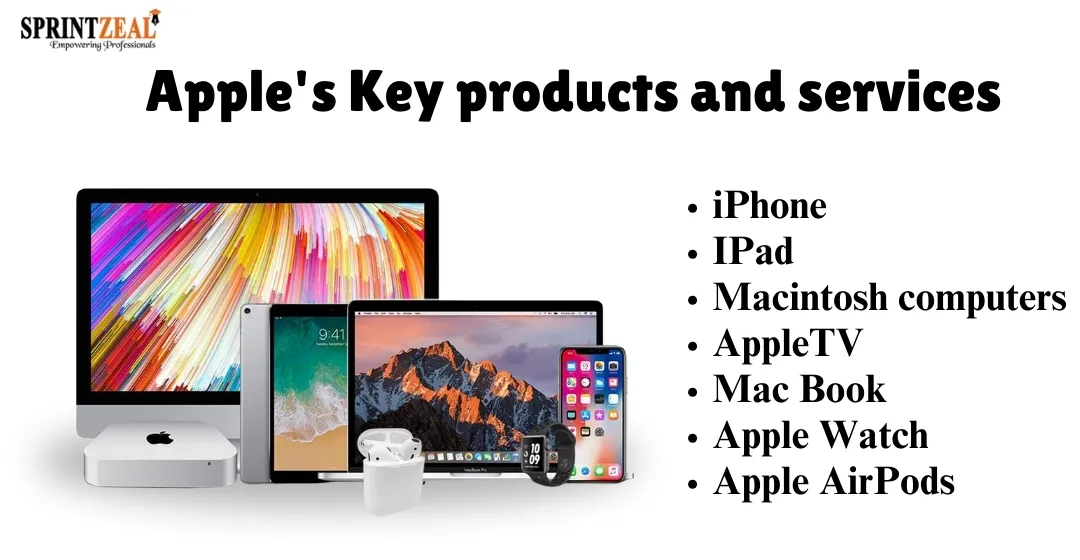
IPhone: Transformed mobile technology by improving communication and media consumption.
IPad: It has created a new market for digital tablets by bridging the gap between smartphones and PCs.
Macintosh computers: The Mac line has revolutionized the world of personal computing by setting new standards.
AppleTV: Apple's entry into streaming entertainment services, has emerged as a dominating competitor in the subscription-based television business.
Mac Book: The MacBook, Apple's laptop computer brand, has become a popular choice in both personal and business settings.
Apple Watch: It is one of the most dominating items in the wearable technology business.
Apple AirPods: AirPods have established themselves as the industry leader in wireless audio.
Apple's project management system relies on the following fundamental concepts: centralized leadership, cross-functional cooperation, and PDCA iterative Cycle. Projects at all levels remain aligned with Apple's long-term vision due to centralized choices made by the firm.
The senior leadership is actively involved in product direction to guarantee team alignment and clarity of vision. This leadership Approach guarantees that all initiatives move forward for a purpose and remain aligned with the company's strategic objectives.
Similar to this, Apple fosters cross-functional cooperation by bringing the design and engineering teams involved early in the process as part of the Apple approach. This allows the project management to be examined from a multidisciplinary and comprehensive standpoint, encompassing functionality as well as user experience.
Furthermore, Apple implements an agile and continuous improvement method, which enables teams to evolve their product in a rapid feedback loop while receiving constant feedback. This open-minded attitude makes Apple adaptable to constantly changing market conditions, enabling quick changes that meet customer requests and corporate standards.
Cross-Functional Collaboration
Apple's cross-functional strategy involves bringing together many departments and teams to guarantee that the product progresses in the same direction. This process begins with the formation of a cross-functional team comprised of designers, engineers, marketers, operational personnel, and salesmen.
The team works closely together to ensure that the product's design reflects technology capabilities, market demands, and operational constraints.
Benefits from Cross-Functional Collaboration
- Improved Communication:
Apple enhances communication by creating a strong company culture, ensuring teams from different backgrounds share insights and work towards a common goal.
- Increased Innovation:
Bringing together professionals from many departments promotes creative problem-solving, resulting in unique ideas and innovative products.
- Knowledge Sharing:
Apple promotes open communication of expertise across departments, which leads to faster learning and more effective decision-making.
- Streamed Lined Work Process:
Cross-functional teams collaborate, minimizing errors and increasing project efficiency from the start to the end.
- More Inclusive Work Environment:
Collaboration across functions develops multiple viewpoints, resulting in an environment that encourages different thoughts and perspectives.
As development proceeds, all teams contribute input and suggestions to ensure that the end product is consistent, functional, and marketable. This cross-functional strategy enables a comprehensive and effective product launch.
PDCA iterative Cycle
Apple uses the Plan-Do-Check-Act (PDCA) iterative cycle in its project management approaches to ensure ongoing innovation and improvement in operations and product development.
- Plan:
In Apple's project management, the company proceeds by establishing defined goals and creating a strategic plan for product development that takes into account market research, consumer demands, and technological feasibility.
- Do:
Apple's project management transitions from planning to execution, involving design, engineering, and marketing teams in prototype development and product refinement to meet company standards and timelines.
- Check:
Apple's project management cycle involves comprehensive testing, user feedback, and market analysis to assess product performance, identify areas for improvement, and ensure project progress.
- Act:
Apple's project management teams optimize product design and strategy based on "Check" phase findings, resulting in creative, responsive products to consumer wants and market trends.
By applying PDCA in its project management framework to ensure efficient execution, continuous product optimization, and agility in responding to market demands.
Apple's project management approaches reveal valuable lessons that could be used across businesses and companies:
- Clear Vision and Direction:
Apple's leadership creates a single vision, ensuring that all teams are aligned with the company's overall goals and strategy.
- Top-Down Decision-Making:
Management makes major decisions, allowing for quick adoption and consistency throughout the company.
- Strong Leadership Presence:
Apple's management staff is experiential, leading teams through important achievements while retaining complete authority over product development.
- Cross-Department Coordination:
Centralized leadership ensures that all departments function effortlessly, with leadership overseeing and directing collaboration between different departments.
- Focus on Innovation:
The team emphasizes innovation, making choices that align with Apple's purpose of operating at the top of technology while keeping a consistent brand identity.
Apple's successful project management strategy involves centralized leadership, cross-functional collaboration, and a PCDA iterative cycle. This aligns top-down leadership with flexible, iterative processes, ensuring innovation and quality.
Apple's success also highlights the importance of attention to detail, customer experience, and intellectual property protection. To replicate Apple's success, organizations should build strong leadership, foster collaboration, and prioritize quality, fostering a culture of innovation and excellence.

Our newsletter is free! Subscribe and stay updated with the latest insights get early access to exclusive training discounts!

Sprintzeal
Tue, 15 October 2024
Fri, 06 December 2024

Wed, 16 October 2024


© 2024 Sprintzeal Americas Inc. - All Rights Reserved.

 USA : +1315-322-7821
 UK : +44 7700 174870
 IND : +919008230179
 AUS : +61 480 005 455
Leave a comment