Machine Learning Interview Questions and Answers 2026
Mon, 09 December 2024

Follow the stories of academics and their research expeditions
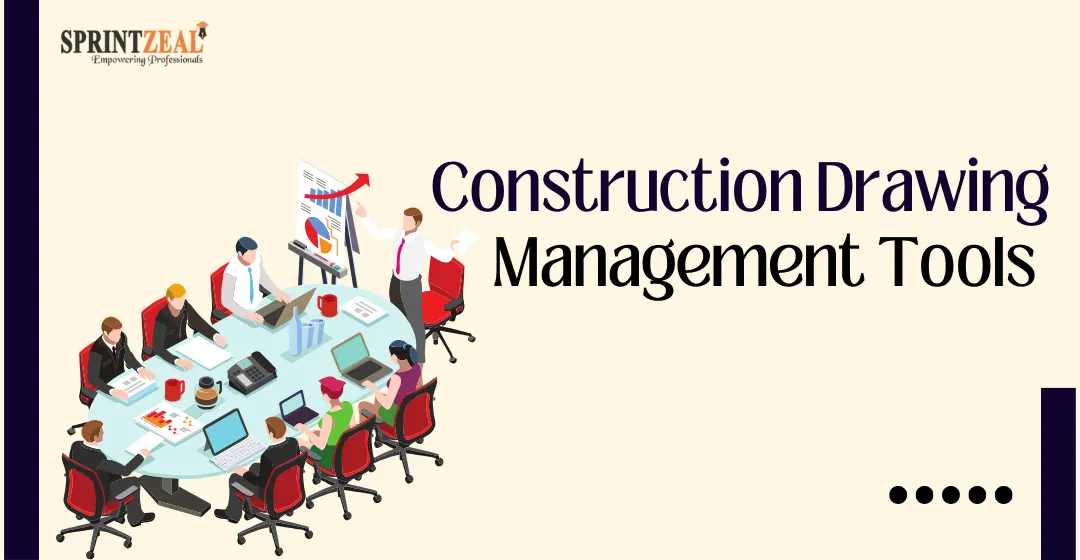
Managing construction drawings is not only about convenience. These drawings are done to maintain accuracy, speed, and staying on budget. Digital drawing management tools are now more important being a part of the construction workflow. Digging through paper plans or dealing with out-of-date blueprints are a long lost method. Now, project teams are using cloud-based platforms to access, update, and collaborate with teams and clients.
With the right tool, teams cut rework, improve coordination, and slash hours spent on documentation. Whether you're overseeing multi-million dollar builds or managing smaller projects across scattered job sites, these five platforms help simplify how your team works with drawings, plans, and documentation, no matter where they are.
Whether you’re working across sites or managing contractors in multiple regions, the right drawing management system will save your team hours every week. Below are four top-rated platforms that lead the pack.
1. Cortex
Cortex isn’t just another construction drawing tool, it’s the one built to meet the chaos head-on. As job sites get busier and timelines get tighter, cortex-dm.com provides a single platform where everything comes together, drawings, revisions, comments, and team feedback. It’s standing out for one major reason: it saves crews from the slow drag of miscommunication and outdated files by making everything visible, instant, and accessible from anywhere.
Cortex Key Features
Cortex makes managing construction documentation feel less like a puzzle and more like a process. Here's what puts it ahead:
- Live version syncing that updates drawings instantly, teams always work from the latest set.
- Built-in markups and notes let teams highlight issues or suggest changes right on the drawing.
- Workflow integrations let Cortex fit seamlessly into your current systems, no need to rebuild your processes from scratch.
- AI-powered recommendations help teams spot potential delays or conflicts before they become expensive mistakes.
- Universal access across mobile and desktop ensures crews on-site and in the office stay aligned.
Where other platforms scatter data across systems, Cortex consolidates it. From design to inspection, everything flows through one hub.
Cortex Pros and Cons
Pros:
- Real-time syncing means zero confusion about which version to use
- Drawing collaboration happens live, great for remote coordination
- Compatible with most project management ecosystems
- Hosted on Microsoft Azure for rock-solid security
- Markup tools improve communication and reduce costly mistakes
Cons:
High price tag can challenge small firms
Not as intuitive for teams unfamiliar with digital workflows
Some advanced features hidden in higher-tier plans
Learning curve exists, especially for those new to digital drawing tools
Cortex Best Use Case
Where Cortex truly shines? Large-scale builds with multiple crews, inspectors, and vendors. It’s ideal for firms needing to reduce rework and centralize drawing updates. One contractor put it best: “Cortex didn’t just clean up our files, it cleaned up our entire process.”
Architects love the version control. Engineers rely on the markup accuracy. And field supervisors? They finally get live updates without waiting on an email.
The software’s global access means it scales easily for teams across cities, or continents. That’s why it's become the go-to for modern, fast-moving projects where accuracy matters as much as speed.
2. PlanRadar
PlanRadar provides digital solutions that help construction teams manage complex drawing sets. The cloud-based platform keeps plans and documents well-organized throughout your project. Teams can cooperate on digital drawings from any location.
PlanRadar Key Features
PlanRadar simplifies drawing processes with these tools:
- Plan version control that automatically notifies team members about new uploads
- Side-by-side plan comparison showing color-highlighted differences between versions
- On-plan markup tools to add comments and annotations on digital drawings
- BIM model support among 2D plans in one unified platform
- Mobile access to view and edit drawings from construction sites
The platform stands out by transferring all existing data to new plan versions automatically. Tasks, images, and messages stay intact during updates.
PlanRadar Pros and Cons
Pros:
- Digital documentation replaces paper markups
- Complete audit trails track all plan changes and approvals
- Drawing access from mobile devices on construction sites
Cons:
- Service costs can be high, especially with multiple plans
- Some users criticize the interface design
- Field teams get frustrated by frequent mobile app updates
- Mobile devices have limited camera options
- New users face a learning curve
PlanRadar Best Use Case
Construction teams looking to go paperless find PlanRadar extremely useful. The platform excels in projects that need frequent plan updates and stakeholder cooperation.
The central drawing management system connects architects, engineers, project managers, and on-site workers. Users report they with up-to-the-minute notifications and automated reporting, to save up to 7 hours weekly.
Construction sites with poor internet benefit from the offline mode. Changes sync automatically when internet connection returns. The platform handles everything from design to construction, handover, and facility management phases.
3. Autodesk BIM 360
Autodesk BIM 360 serves as a cloud-powered construction hub that brings project teams and data together throughout the building lifecycle. The platform helps architects, engineers, and contractors work on a single system. This approach reduces miscommunication that leads to delays and errors.
Autodesk BIM 360 Key Features
Autodesk BIM 360 comes with these specialized tools:
- Document Management (BIM 360 Docs) centralizes all project files with strict version control
- Design Collaboration lets teams co-author models with scheduled updates
- Model Coordination spots clashes between different discipline models automatically
- Field Management (BIM 360 Build) streamlines on-site communication through checklists and daily logs
- Cloud backup ensures critical project files stay secure and retrievable
Autodesk BIM 360 Pros and Cons
Pros:
- One central platform removes communication bottlenecks
- Smart clash detection finds conflicts as they happen
- Documentation generates automatically to save time
- Mobile apps give access to project details anywhere
- Cloud storage shows complete project data visibility
Cons:
- Some software integration gaps create workflow silos
- The interface might challenge non-technical users
- Version control can be difficult to manage
- Monthly costs might be high for smaller construction firms
- Limited customization options
Autodesk BIM 360 Best Use Case
Large-scale construction projects with multiple stakeholders benefit most from BIM 360. The company saw improvements in visibility, productivity, quality, and safety.
Teams that need clash detection and coordination find the platform particularly useful. Companies get the most value when they manage complex drawing sets that need frequent revisions across multiple disciplines.
4. Fieldwire
Fieldwire prioritizes construction tasks by optimizing field efficiency. The platform powers and connects field teams with office staff through a mobile-first approach to over 2 million projects worldwide
Fieldwire Key Features
The platform creates efficient construction drawing workflows through several core capabilities:
- Plan viewing and versioning with automatic hyperlinking and offline access
- Task management that organizes work around plans and trades
- Real-time markup tools to annotate drawings directly on mobile devices
- Automated version control to keep everyone working from current drawings
- Photo and video documentation that pins directly to plan locations
Users can drop pins onto plans, add comments, and capture photos. The platform generates inspection reports on the go.
Fieldwire Pros and Cons
Pros:
- One engineering firm cut report preparation from 10-15 hours to minutes
- Works offline and synchronizes automatically when connection returns
- User-friendly interface needs minimal training
- Excellent drawing management with version tracking
- Photos connect directly to plan locations
Cons:
- Device synchronization can be slow
- Plan exports feel cumbersome for some users
- Crowded pages make object manipulation difficult
- Small font text becomes hard to read
- Text search functions have limitations
Conclusion
On your job site, things like outdated plans and miscommunication will no longer be the regular norms. With the right drawing management tool, teams can completely centralize documentations and streamline workflows for a better and simpler collaboration. This will remain seamless since this will sync across multiple teams and devices.
Each platform we've covered until now, like Cortex, PlanRadar, Autodesk BIM 360, Fieldwire, and Viewpoint, all bring really strong features to the table. This will be suited for multiple types of construction work and teams. If you are really ready to cut delays and drive more efficiency it’s time to ditch the paper and go digital.
Managing construction drawings is not only about convenience. These drawings are done to maintain accuracy, speed, and staying on budget. Digital drawing management tools are now more important being a part of the construction workflow. Digging through paper plans or dealing with out-of-date blueprints are a long lost method. Now, project teams are using cloud-based platforms to access, update, and collaborate with teams and clients.
With the right tool, teams cut rework, improve coordination, and slash hours spent on documentation. Whether you're overseeing multi-million dollar builds or managing smaller projects across scattered job sites, these five platforms help simplify how your team works with drawings, plans, and documentation, no matter where they are.
Whether you’re working across sites or managing contractors in multiple regions, the right drawing management system will save your team hours every week. Below are four top-rated platforms that lead the pack.
Cortex isn’t just another construction drawing tool, it’s the one built to meet the chaos head-on. As job sites get busier and timelines get tighter, cortex-dm.com provides a single platform where everything comes together, drawings, revisions, comments, and team feedback. It’s standing out for one major reason: it saves crews from the slow drag of miscommunication and outdated files by making everything visible, instant, and accessible from anywhere.
Cortex Key Features
Cortex makes managing construction documentation feel less like a puzzle and more like a process. Here's what puts it ahead:
- Live version syncing that updates drawings instantly, teams always work from the latest set.
- Built-in markups and notes let teams highlight issues or suggest changes right on the drawing.
- Workflow integrations let Cortex fit seamlessly into your current systems, no need to rebuild your processes from scratch.
- AI-powered recommendations help teams spot potential delays or conflicts before they become expensive mistakes.
- Universal access across mobile and desktop ensures crews on-site and in the office stay aligned.
Where other platforms scatter data across systems, Cortex consolidates it. From design to inspection, everything flows through one hub.
Cortex Pros and Cons
Pros:
- Real-time syncing means zero confusion about which version to use
- Drawing collaboration happens live, great for remote coordination
- Compatible with most project management ecosystems
- Hosted on Microsoft Azure for rock-solid security
- Markup tools improve communication and reduce costly mistakes
Cons:
Cortex Best Use Case
Where Cortex truly shines? Large-scale builds with multiple crews, inspectors, and vendors. It’s ideal for firms needing to reduce rework and centralize drawing updates. One contractor put it best: “Cortex didn’t just clean up our files, it cleaned up our entire process.”
Architects love the version control. Engineers rely on the markup accuracy. And field supervisors? They finally get live updates without waiting on an email.
The software’s global access means it scales easily for teams across cities, or continents. That’s why it's become the go-to for modern, fast-moving projects where accuracy matters as much as speed.
PlanRadar provides digital solutions that help construction teams manage complex drawing sets. The cloud-based platform keeps plans and documents well-organized throughout your project. Teams can cooperate on digital drawings from any location.
PlanRadar Key Features
PlanRadar simplifies drawing processes with these tools:
- Plan version control that automatically notifies team members about new uploads
- Side-by-side plan comparison showing color-highlighted differences between versions
- On-plan markup tools to add comments and annotations on digital drawings
- BIM model support among 2D plans in one unified platform
- Mobile access to view and edit drawings from construction sites
The platform stands out by transferring all existing data to new plan versions automatically. Tasks, images, and messages stay intact during updates.
PlanRadar Pros and Cons
Pros:
- Digital documentation replaces paper markups
- Complete audit trails track all plan changes and approvals
- Drawing access from mobile devices on construction sites
Cons:
- Service costs can be high, especially with multiple plans
- Some users criticize the interface design
- Field teams get frustrated by frequent mobile app updates
- Mobile devices have limited camera options
- New users face a learning curve
PlanRadar Best Use Case
Construction teams looking to go paperless find PlanRadar extremely useful. The platform excels in projects that need frequent plan updates and stakeholder cooperation.
The central drawing management system connects architects, engineers, project managers, and on-site workers. Users report they with up-to-the-minute notifications and automated reporting, to save up to 7 hours weekly.
Construction sites with poor internet benefit from the offline mode. Changes sync automatically when internet connection returns. The platform handles everything from design to construction, handover, and facility management phases.
Autodesk BIM 360 serves as a cloud-powered construction hub that brings project teams and data together throughout the building lifecycle. The platform helps architects, engineers, and contractors work on a single system. This approach reduces miscommunication that leads to delays and errors.
Autodesk BIM 360 Key Features
Autodesk BIM 360 comes with these specialized tools:
- Document Management (BIM 360 Docs) centralizes all project files with strict version control
- Design Collaboration lets teams co-author models with scheduled updates
- Model Coordination spots clashes between different discipline models automatically
- Field Management (BIM 360 Build) streamlines on-site communication through checklists and daily logs
- Cloud backup ensures critical project files stay secure and retrievable
Autodesk BIM 360 Pros and Cons
Pros:
- One central platform removes communication bottlenecks
- Smart clash detection finds conflicts as they happen
- Documentation generates automatically to save time
- Mobile apps give access to project details anywhere
- Cloud storage shows complete project data visibility
Cons:
- Some software integration gaps create workflow silos
- The interface might challenge non-technical users
- Version control can be difficult to manage
- Monthly costs might be high for smaller construction firms
- Limited customization options
Autodesk BIM 360 Best Use Case
Large-scale construction projects with multiple stakeholders benefit most from BIM 360. The company saw improvements in visibility, productivity, quality, and safety.
Teams that need clash detection and coordination find the platform particularly useful. Companies get the most value when they manage complex drawing sets that need frequent revisions across multiple disciplines.
Fieldwire prioritizes construction tasks by optimizing field efficiency. The platform powers and connects field teams with office staff through a mobile-first approach to over 2 million projects worldwide
Fieldwire Key Features
The platform creates efficient construction drawing workflows through several core capabilities:
- Plan viewing and versioning with automatic hyperlinking and offline access
- Task management that organizes work around plans and trades
- Real-time markup tools to annotate drawings directly on mobile devices
- Automated version control to keep everyone working from current drawings
- Photo and video documentation that pins directly to plan locations
Users can drop pins onto plans, add comments, and capture photos. The platform generates inspection reports on the go.
Fieldwire Pros and Cons
Pros:
- One engineering firm cut report preparation from 10-15 hours to minutes
- Works offline and synchronizes automatically when connection returns
- User-friendly interface needs minimal training
- Excellent drawing management with version tracking
- Photos connect directly to plan locations
Cons:
- Device synchronization can be slow
- Plan exports feel cumbersome for some users
- Crowded pages make object manipulation difficult
- Small font text becomes hard to read
- Text search functions have limitations
On your job site, things like outdated plans and miscommunication will no longer be the regular norms. With the right drawing management tool, teams can completely centralize documentations and streamline workflows for a better and simpler collaboration. This will remain seamless since this will sync across multiple teams and devices.
Each platform we've covered until now, like Cortex, PlanRadar, Autodesk BIM 360, Fieldwire, and Viewpoint, all bring really strong features to the table. This will be suited for multiple types of construction work and teams. If you are really ready to cut delays and drive more efficiency it’s time to ditch the paper and go digital.

Sprintzeal
Mon, 09 December 2024
Tue, 11 March 2025

Tue, 11 March 2025

© 2024 Sprintzeal Americas Inc. - All Rights Reserved.

 USA : +1315-322-7821
 UK : +44 7700 174870
 IND : +919008230179
 AUS : +61 480 005 455
Leave a comment