What Is Secure Access Service Edge (SASE)?
Tue, 15 October 2024

Follow the stories of academics and their research expeditions

With the increase in the use of energy in every industry for every minute thing, the costs for these energy consumptions also rise the overall costs. This leaves a demand for every industry and organization to optimize their energy efficiency.
Governments worldwide are introducing stricter regulations to control energy consumption, and consumers are looking to align with companies committed to sustainability. The ISO 50001, the globally recognized standard for energy management systems (EnMS), has become the perfect solution. This international was designed to improve energy efficiency, reduce costs, and minimize the environmental impact of businesses worldwide.
In this part of the ISO Certifications for Project and Energy Management, we will explore and learn why ISO 50001 is the only perfect standard that is designed for energy efficiency for organizations and businesses of all sizes and industries.
As discussed in our other article about the Best Practices for Energy Efficiency, we also share some insights on the benefits of opting for the ISO 50001 Standard. While understanding these benefits, it is clear that getting ISO 50001 certified is the best way to grow business and also earn all the benefits.
In simple terms, for any organization of any industry, the most important thing is to match their customer’s evolving needs. And one of the needs that customers are more focused on investing in is the environmental impact. People are now more environmentally focused and always seek to invest in environmentally friendly businesses, seeing how they are affecting the planet or how they are trying to save.
ISO 50001 has been widely adopted across various industries, from manufacturing and transportation to hospitality and retail. As a globally recognized standard, it has gained a major potential in validating both developed and developing nations, becoming a key component of corporate sustainability strategies worldwide.
Energy efficiency plays a very important role in the need to reduce carbon emissions. Lowering greenhouse gas emissions supports sustainability. Governments are changing their regulations related to energy use. These regulations demand the practice of sustainable energy management.
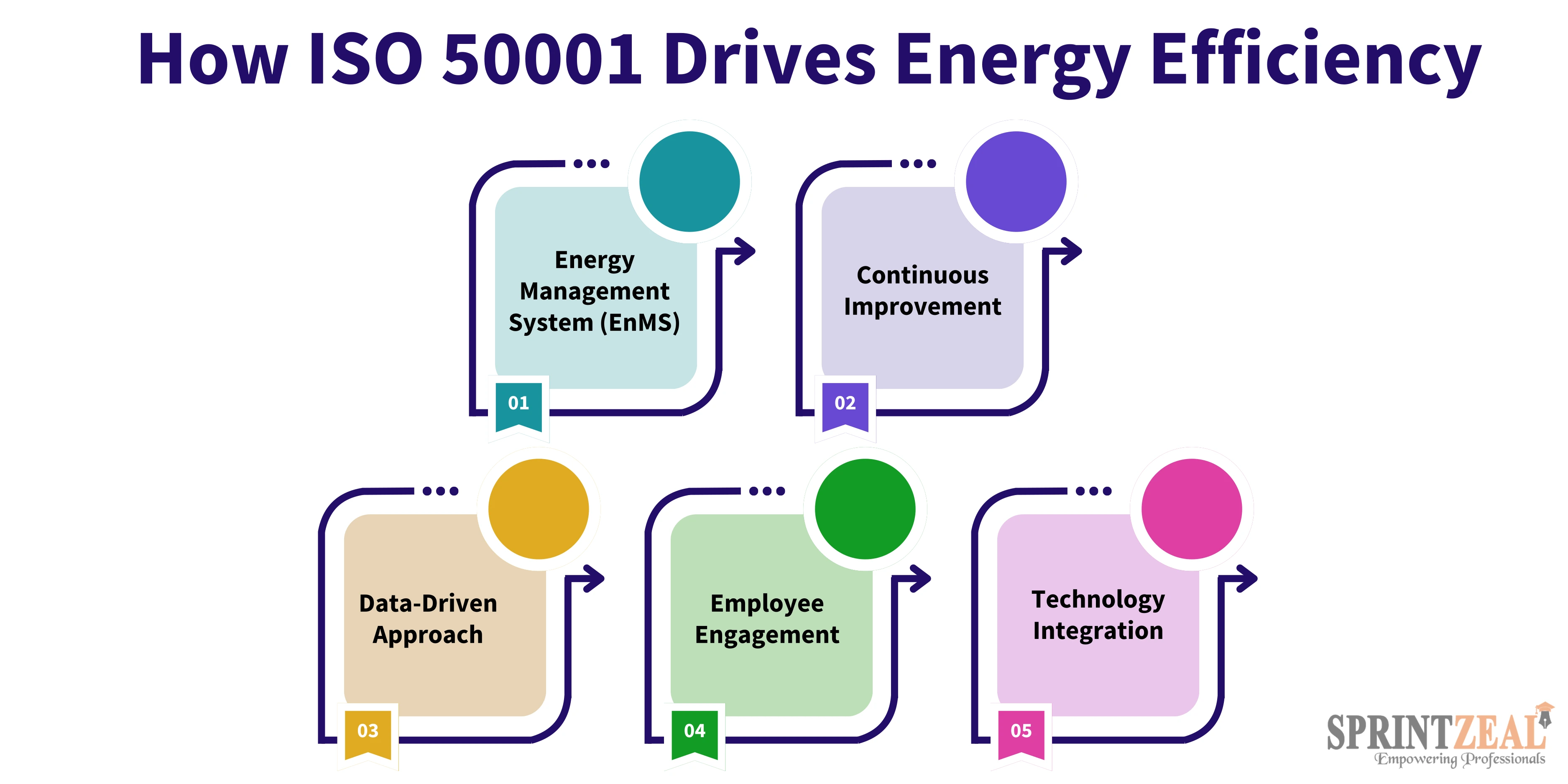
Now, to get started with the real thing, here is why ISO 50001 is the Perfect Match for Energy Efficiency!
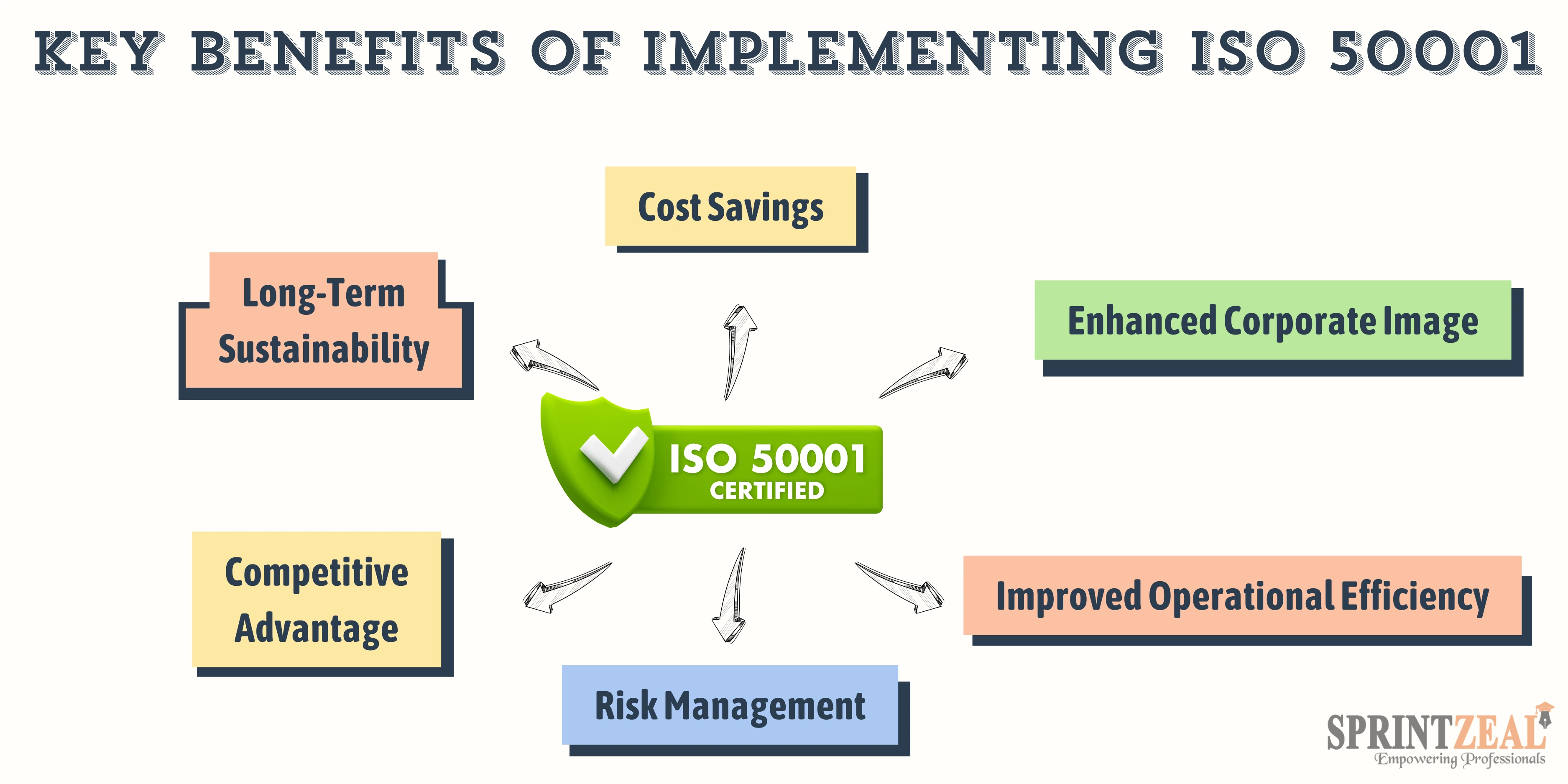
– Cost Savings
By optimizing energy use and reducing waste, businesses can experience substantial cost savings. ISO 50001 helps organizations lower their utility bills and operational costs, providing a direct financial benefit that strengthens the bottom line.
– Enhanced Corporate Image
Achieving ISO 50001 certification signals a company’s commitment to sustainability. This certification not only boosts a company's reputation with customers but also strengthens relationships with stakeholders who value responsible energy use.
– Improved Operational Efficiency
Implementing ISO 50001 allows organizations to streamline their processes. Improved energy efficiency leads to better resource allocation, reduced energy waste, and overall enhanced productivity.
– Risk Management
Through optimized energy management, businesses can reduce their dependence on fluctuating energy prices and avoid disruptions in energy supply. This ensures greater energy reliability and resilience.
– Competitive Advantage
Organizations with ISO 50001 certification are better positioned to outperform competitors. Energy efficiency is not just an operational benefit but also a market differentiator that can lead to greater business opportunities.
– Long-Term Sustainability
By reducing energy consumption and promoting sustainability, ISO 50001 helps organizations future-proof their operations. It aligns with long-term sustainability goals and ensures that businesses are well-prepared to tackle future energy challenges.
ISO 50001 is the ideal solution for every organization working on energy efficiency to enhance their sustainability practices. Businesses adopting this globally recognized standard have been seen achieving long-term energy savings while also minimizing their environmental impact. The ISO 50001 certification is the best solution for organizations and businesses serious about energy.

The ISO 50001 certification is a process of steps where tasks like conducting an energy review, establishing policy, and implementing an energy management system (EnMS) are involved. Once these are in place, an external audit can be conducted to verify compliance with the standard. And Sprintzeal offers tailored training courses to help professionals master this standard and lead their organizations toward a sustainable future.
Get your ISO 50001 certification training and become an ISO 50001 Lead Auditor. We also offer ISO 50001 Foundation and ISO 50001 Lead Implementer. Explore all our options and become a leader of tomorrow.

Sprintzeal
Tue, 15 October 2024
Fri, 06 December 2024

Wed, 16 October 2024


© 2024 Sprintzeal Americas Inc. - All Rights Reserved.

 USA : +1315-322-7821
 UK : +44 7700 174870
 IND : +919008230179
 AUS : +61 480 005 455
Leave a comment