ISO 9001 Guide: Boost Quality, and Customer Satisfaction
Tue, 28 April 2026

Follow the stories of academics and their research expeditions

As the term “standards” mentions the purpose, energy saving standards are guidelines and protocols designed to help organizations internationally manage and reduce their energy consumption. These standards are mainly focused on providing businesses that aim to cut down on energy costs and minimize their environmental impact.
Among all the energy saving standards available, ISO 50001 stands out as a global standard offering framework designed to optimize energy management practices within organizations. The main theme of this standard is to help organizations develop and implement policies that improve energy performance. With a set framework, organizations are sure to achieve energy efficiency goals and develop a culture of improvement.
“Is that all there is to an energy saving standard?” you may ask. Well, that is why we bring you this article today to help you understand the concept of implementing this standard and driving success in the best way possible. And to have a small idea on this, here are the key features of ISO 50001.
As the term “standards” mentions the purpose, energy saving standards are guidelines and protocols designed to help organizations internationally manage and reduce their energy consumption. These standards are mainly focused on providing businesses that aim to cut down on energy costs and minimize their environmental impact.
Among all the energy saving standards available, ISO 50001 stands out as a global standard offering framework designed to optimize energy management practices within organizations. The main theme of this standard is to help organizations develop and implement policies that improve energy performance. With a set framework, organizations are sure to achieve energy efficiency goals and develop a culture of improvement.
“Is that all there is to an energy saving standard?” you may ask. Well, that is why we bring you this article today to help you understand the concept of implementing this standard and driving success in the best way possible. And to have a small idea on this, here are the key features of ISO 50001.
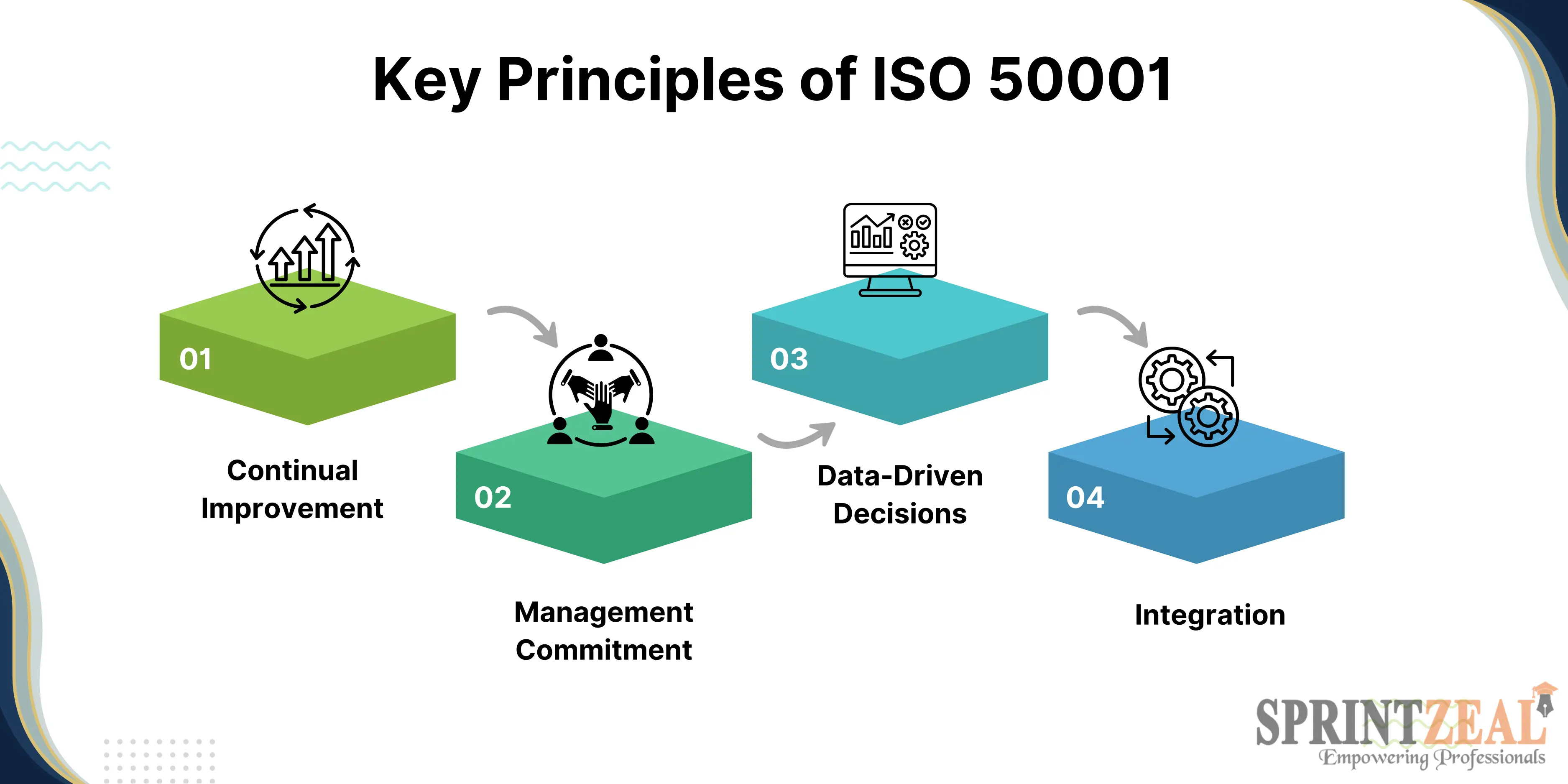
ISO 50001 stands out as a comprehensive energy saving standard for effective energy management. Here are some additional key features that make it more meaningful for organizations aiming to improve energy efficiency and sustainability:
One of the first steps in implementing ISO 50001 is establishing an energy policy. This policy outlines an organization’s commitment to improving energy performance and provides a framework for setting objectives, guiding decision-making, and allocating resources.
Operational control is crucial in ensuring that energy management processes and procedures are consistently followed. The ISO 50001 energy saving standard mandates organizations to establish and maintain operational controls for significant energy uses, ensuring that energy-efficient practices are integrated into day-to-day operations.
Organizations following ISO 50001 must consider energy performance when designing new systems or modifying existing ones. This applies not only to production facilities but also to energy-efficient building designs, equipment purchases, and infrastructure upgrades. Procurement processes should also prioritize energy-efficient products and services to align with the organization's energy goals.
ISO 50001 emphasizes identifying potential risks and opportunities related to energy performance by implementing this energy saving standard. This proactive approach helps organizations anticipate issues that could impact energy efficiency, such as fluctuating energy prices, supply chain disruptions, or regulatory changes.
Another key feature of ISO 50001 is fostering a culture of energy awareness. Organizations must ensure that employees are trained, competent, and aware of how their actions contribute to energy performance. Employee engagement programs, energy-saving campaigns, and targeted training help build this awareness and drive energy-efficient behaviors across all levels of the organization.
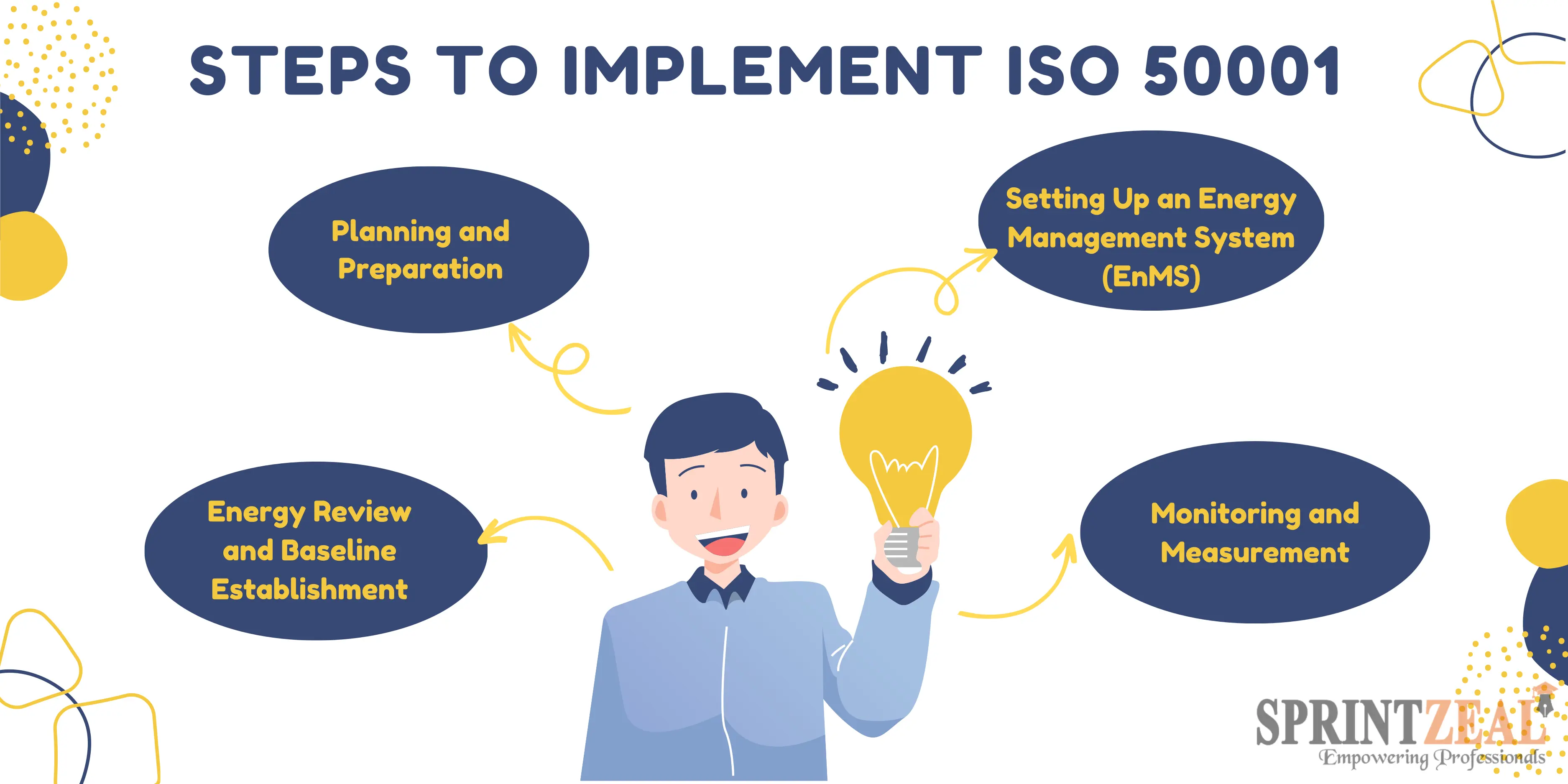
Now that you have a good idea about these standards, let’s learn a few best practices for implementing them and know how ISO 50001 helps meet energy saving standards.
Energy Review and Baseline Development
Finding places where energy can be conserved requires doing an initial energy review. Setting a starting point helps organizations monitor the performance gains over time and also identify the areas where energy efficiency can be improved.
Energy Performance Indicators (EnPIs)
EnPIs, or energy performance indicators, have become necessary for monitoring progress in energy efficiency. They aid organizations in determining the effectiveness of their energy management strategies and identifying problem areas.
Involving Leadership and Employees
Both active employee participation and strong top-level management planning are necessary for successful implementation of the ISO 50001 standard. Organizations's resources, like employees, need to be actively involved in energy-saving measures, and the leadership should support energy management programs and provide the required funding.
Monitoring and Reporting
Effective monitoring, measurement, and reporting are essential for maintaining energy performance. Regularly reviewing energy data helps identify trends, measure progress, and ensure that energy management strategies are on track.
Out of all those benefits that organizations can leverage from adapting to the ISO 50001 Energy Saving Standard, here are the best ones.
Cost Savings
ISO 50001 drives a major reduction in energy costs by improving energy efficiency. This is not only to see lower utility bills but also to reduce overall energy expenses after implementing.
Environmental Impact
Adopting ISO 50001 can greatly reduce a company’s environmental footprint. The frameworks in this enhance energy efficiency and also lower greenhouse gas emissions.
Market Competitiveness
The ISO 50001 Energy Saving Standard's Certification is a badge for reputation and marketability. It allows stakeholders and clients to understand that the company is participating for sustainability and energy efficiency.
Implementing energy saving standards is a task of its own. And to maintain them, here are the best practices that help.
Continuous Improvement
To keep ISO 50001 certification relevant, organizations must continuously improve their energy performance. This involves regularly updating practices and staying up-to-date on new energy-saving technologies and strategies.
Regular Audits and Reviews
Conducting regular internal audits and management reviews is essential for maintaining ISO 50001 certification. These audits help ensure that energy management practices remain effective and compliant with the standard.
Employee Training
Ongoing employee training and awareness programs play a crucial role in sustaining energy-saving efforts. Educated and engaged employees are more likely to contribute to energy management goals and help maintain certification.
Adopting energy saving standards like ISO 50001 is a powerful and useful way for organizations and businesses of all sizes and all industries to achieve both financial and environmental goals. By developing improved energy management practices, organizations can cut excess costs, minimize environmental impacts, and also work on enhancing their competitiveness.
For managers and professionals, certifications such as Certified Energy Manager (CEM) and ISO 50001 Lead Auditor provide valuable credentials. These certifications add validation to expertise in energy management and help advance careers in the field.
Sprintzeal offers comprehensive ISO 50001 training programs tailored to help organizations achieve their energy management goals and certification. Here is the list of ISO 50001 training programs we provide.

ISO 50001 Foundation
ISO 50001 Lead Implementer
ISO 50001 Lead Auditor
Our training equips participants with the knowledge and skills needed to implement and maintain effective energy management systems. Explore Sprintzeal’s training and certification programs, and contact us today to learn more about our ISO 50001 training options.


Sprintzeal
Tue, 28 April 2026
Tue, 28 April 2026

Tue, 28 April 2026


© 2024 Sprintzeal Americas Inc. - All Rights Reserved.

 USA : +1315-322-7821
 UK : +44 7700 174870
 IND : +919008230179
 AUS : +61 480 005 455
Leave a comment