Customer Experience (CX): Definition, Importance, and Strategies for Success
Tue, 25 February 2025

Severity: Warning
Message: file_get_contents(http://www.geoplugin.net/json.gp?ip=216.73.216.239): Failed to open stream: HTTP request failed! HTTP/1.1 403 Forbidden
Filename: helpers/location_helper.php
Line Number: 77
Backtrace:
File: /home/sprintzeal.org/public_html/application/helpers/location_helper.php
Line: 77
Function: file_get_contents
File: /home/sprintzeal.org/public_html/application/controllers/Blog.php
Line: 109
Function: location_details
File: /home/sprintzeal.org/public_html/index.php
Line: 289
Function: require_once
Follow the stories of academics and their research expeditions
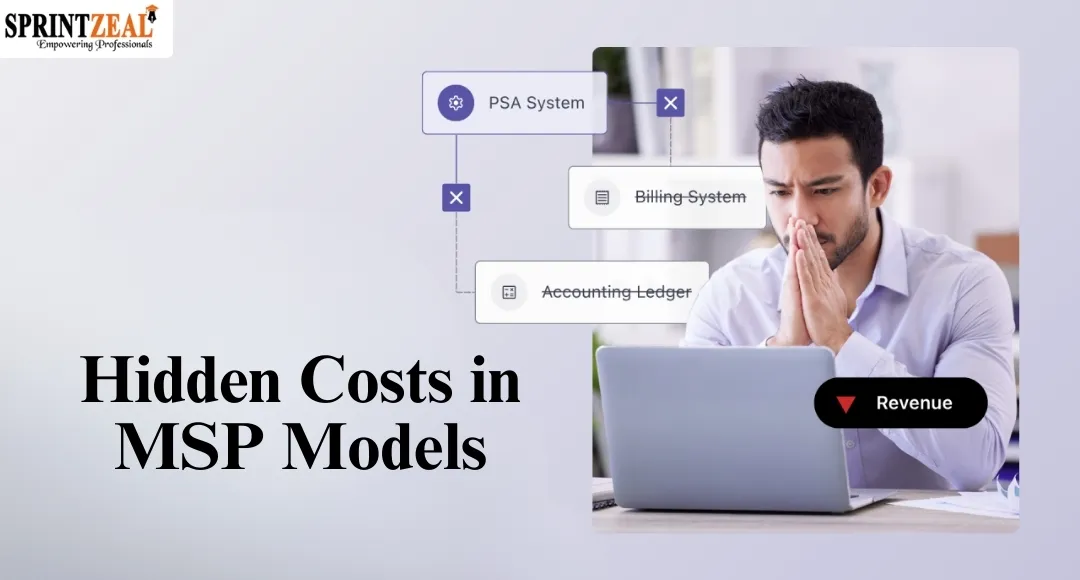
Managed Service Providers (MSPs) have become a cornerstone for businesses aiming to streamline their IT operations, especially in the era of distributed teams. With increasing reliance on remote work and geographically dispersed offices, MSP models promise enhanced efficiency, proactive management, and cost savings. According to a recent Gartner report, the MSP market is expected to grow by 12.3% annually, reflecting widespread adoption across industries.
However, beneath the surface of these offerings lie hidden costs that can significantly impact budgets and operational effectiveness. These costs often catch organizations by surprise, leading to budget overruns and strained vendor relationships. This article explores these often-overlooked expenses within MSP frameworks supporting distributed IT teams and offers insights to help organizations navigate them effectively.
Distributed IT teams present unique challenges for MSPs, including maintaining seamless connectivity, ensuring consistent security policies, and providing rapid issue resolution across multiple locations. These complexities often translate into additional resource requirements and operational overheads that may not be apparent at the outset.
For example, partnering with a reputable local firm like 7tech, an Austin-based IT firm, can offer tailored MSP solutions that address the specific needs of distributed environments. Such providers often bring regional expertise that helps mitigate some of the logistical and technical challenges inherent in distributed IT setups. Nevertheless, even with specialized providers, certain hidden costs can arise during service delivery, complicating budget forecasts.
Distributed teams also introduce variability in user needs and infrastructure maturity levels across locations. Some sites may be fully equipped with modern hardware and software, while others lag, requiring MSPs to customize solutions extensively. This heterogeneity increases complexity and cost.
While many MSPs advertise flat monthly fees, initial setup and onboarding expenses can be substantial. These include comprehensive network assessments, hardware provisioning, software licensing, and configuration across multiple sites. For distributed teams, these costs multiply as each location may require unique setups or upgrades to meet security and performance standards.
Moreover, distributed environments often need additional investments in connectivity enhancements such as VPNs or dedicated lines to ensure secure and reliable communication. Such infrastructure costs are sometimes bundled into service fees, making it difficult to identify them separately, which obscures the true cost of service initiation.
A 2023 survey found that 45% of companies underestimated their initial MSP onboarding costs by over 30%, mainly due to overlooked infrastructure expenses.
Distributed IT setups frequently rely on diverse applications and platforms. MSPs must customize their services to integrate with existing systems, which requires specialized labor and extended timelines. This customization, often outside the scope of standard agreements, can lead to unexpected charges.
Engaging with providers experienced in regional markets can sometimes mitigate these integration challenges due to their familiarity with local technology landscapes and compliance requirements. For example, working with an MSP like Portland IT network support can reduce unexpected expenses by aligning services with local infrastructure and regulatory environments. However, this expertise may come at a premium, adding to the total cost of ownership.
Integration efforts can also extend to legacy systems, third-party cloud platforms, and proprietary software unique to certain departments or regions. Each integration point adds layers of complexity and cost, which can escalate rapidly if not managed carefully.
Geographically dispersed teams often expect rapid technical support regardless of location. To meet these demands, MSPs may need to deploy additional resources or establish regional support centers, increasing operational costs.
When issues escalate beyond standard service scope, businesses might incur extra fees for premium or after-hours support. This can be particularly impactful for organizations operating across multiple time zones, requiring 24/7 coverage.
Statistics reveal that 54% of businesses experience unexpected MSP charges related to escalated support services. These charges can stem from emergency on-site visits, expedited hardware replacements, or specialized expert interventions.
Understanding the fine print in service level agreements (SLAs) is crucial. Many SLAs differentiate between standard and premium support tiers, with significant cost differentials. Without clear definitions and expectations, companies risk paying for services they did not intend to purchase.
Maintaining security across multiple sites involves continuous monitoring, threat detection, and compliance auditing. MSPs must invest in advanced tools and skilled personnel to manage these functions effectively, with costs often passed on to clients.
According to a recent survey, 68% of companies reported increased MSP expenses due to enhanced cybersecurity measures required for distributed teams. This includes deploying endpoint protection, intrusion detection systems, and conducting regular vulnerability assessments tailored to each site’s risk profile.
Additionally, compliance with regional regulations such as GDPR in Europe or CCPA in California adds layers of complexity and cost. MSPs must adapt their security frameworks accordingly, and organizations must budget for these compliance-driven expenses.
Transitioning to or expanding an MSP-managed environment necessitates training internal staff and end-users. Distributed teams may require localized or customized training programs, which may not be included in the standard MSP contract.
Investment in change management ensures smoother adoption but can add to the total cost of ownership. Companies often underestimate these expenses, leading to budget overruns. For example, training sessions may need to be conducted in multiple languages or tailored to varying levels of technical proficiency across regions.
Furthermore, ongoing training is essential as MSPs update tools or introduce new processes. Without proper education, user errors can increase support tickets, driving up operational costs indirectly.
MSPs often manage software licenses on behalf of clients. While this can simplify administration, it may introduce markup costs or require purchasing licenses in bulk for distributed teams, inflating expenses.
Distributed environments may have varying hardware lifecycles. MSPs might recommend or enforce hardware refresh cycles that are not accounted for in initial contracts. Unexpected equipment failures at remote sites can also trigger emergency replacement fees.
With multiple sites transmitting data to central systems or cloud platforms, bandwidth consumption can soar. MSPs sometimes pass on these costs, especially if data volumes exceed predefined thresholds.
Before signing MSP contracts, businesses should perform comprehensive evaluations of service offerings, including detailed cost breakdowns. Requesting transparent pricing models helps reveal potential hidden fees.
Establishing precise service level agreements that outline response times, escalation procedures, and associated costs can prevent surprises. Regular SLA reviews accommodate the evolving needs of distributed teams.
Adopting comprehensive security frameworks that integrate across all distributed sites can streamline management and reduce redundant expenses. Partnering with MSPs that prioritize cybersecurity helps control these costs.
Allocating resources for continuous training and support empowers distributed teams to use IT services efficiently, lowering dependence on expensive escalated support.
Real-time visibility into MSP activities and costs through dashboards and reports helps organizations track expenditure and identify anomalies early, enabling proactive cost management.
MSP models offer compelling advantages for managing distributed IT teams, but the hidden costs embedded in these arrangements can erode anticipated savings. By recognizing infrastructure fees, customization charges, support escalations, security overheads, and training expenses upfront, businesses can make informed decisions and optimize their MSP partnerships.
Engaging with knowledgeable providers can further enhance alignment with organizational goals and reduce unforeseen financial burdens. Ultimately, a proactive approach to identifying and managing hidden MSP costs ensures that distributed IT teams remain agile, secure, and cost-effective in today’s dynamic business landscape.
By carefully scrutinizing MSP contracts, investing in local expertise, and planning for ongoing operational needs, organizations can unlock the full potential of MSP models without falling prey to invisible expenses. In an increasingly distributed world, this vigilance is vital to sustaining competitive advantage and operational resilience.
Managed Service Providers (MSPs) have become a cornerstone for businesses aiming to streamline their IT operations, especially in the era of distributed teams. With increasing reliance on remote work and geographically dispersed offices, MSP models promise enhanced efficiency, proactive management, and cost savings. According to a recent Gartner report, the MSP market is expected to grow by 12.3% annually, reflecting widespread adoption across industries.
However, beneath the surface of these offerings lie hidden costs that can significantly impact budgets and operational effectiveness. These costs often catch organizations by surprise, leading to budget overruns and strained vendor relationships. This article explores these often-overlooked expenses within MSP frameworks supporting distributed IT teams and offers insights to help organizations navigate them effectively.
Distributed IT teams present unique challenges for MSPs, including maintaining seamless connectivity, ensuring consistent security policies, and providing rapid issue resolution across multiple locations. These complexities often translate into additional resource requirements and operational overheads that may not be apparent at the outset.
For example, partnering with a reputable local firm like 7tech, an Austin-based IT firm, can offer tailored MSP solutions that address the specific needs of distributed environments. Such providers often bring regional expertise that helps mitigate some of the logistical and technical challenges inherent in distributed IT setups. Nevertheless, even with specialized providers, certain hidden costs can arise during service delivery, complicating budget forecasts.
Distributed teams also introduce variability in user needs and infrastructure maturity levels across locations. Some sites may be fully equipped with modern hardware and software, while others lag, requiring MSPs to customize solutions extensively. This heterogeneity increases complexity and cost.
While many MSPs advertise flat monthly fees, initial setup and onboarding expenses can be substantial. These include comprehensive network assessments, hardware provisioning, software licensing, and configuration across multiple sites. For distributed teams, these costs multiply as each location may require unique setups or upgrades to meet security and performance standards.
Moreover, distributed environments often need additional investments in connectivity enhancements such as VPNs or dedicated lines to ensure secure and reliable communication. Such infrastructure costs are sometimes bundled into service fees, making it difficult to identify them separately, which obscures the true cost of service initiation.
A 2023 survey found that 45% of companies underestimated their initial MSP onboarding costs by over 30%, mainly due to overlooked infrastructure expenses.
Distributed IT setups frequently rely on diverse applications and platforms. MSPs must customize their services to integrate with existing systems, which requires specialized labor and extended timelines. This customization, often outside the scope of standard agreements, can lead to unexpected charges.
Engaging with providers experienced in regional markets can sometimes mitigate these integration challenges due to their familiarity with local technology landscapes and compliance requirements. For example, working with an MSP like Portland IT network support can reduce unexpected expenses by aligning services with local infrastructure and regulatory environments. However, this expertise may come at a premium, adding to the total cost of ownership.
Integration efforts can also extend to legacy systems, third-party cloud platforms, and proprietary software unique to certain departments or regions. Each integration point adds layers of complexity and cost, which can escalate rapidly if not managed carefully.
Geographically dispersed teams often expect rapid technical support regardless of location. To meet these demands, MSPs may need to deploy additional resources or establish regional support centers, increasing operational costs.
When issues escalate beyond standard service scope, businesses might incur extra fees for premium or after-hours support. This can be particularly impactful for organizations operating across multiple time zones, requiring 24/7 coverage.
Statistics reveal that 54% of businesses experience unexpected MSP charges related to escalated support services. These charges can stem from emergency on-site visits, expedited hardware replacements, or specialized expert interventions.
Understanding the fine print in service level agreements (SLAs) is crucial. Many SLAs differentiate between standard and premium support tiers, with significant cost differentials. Without clear definitions and expectations, companies risk paying for services they did not intend to purchase.
Maintaining security across multiple sites involves continuous monitoring, threat detection, and compliance auditing. MSPs must invest in advanced tools and skilled personnel to manage these functions effectively, with costs often passed on to clients.
According to a recent survey, 68% of companies reported increased MSP expenses due to enhanced cybersecurity measures required for distributed teams. This includes deploying endpoint protection, intrusion detection systems, and conducting regular vulnerability assessments tailored to each site’s risk profile.
Additionally, compliance with regional regulations such as GDPR in Europe or CCPA in California adds layers of complexity and cost. MSPs must adapt their security frameworks accordingly, and organizations must budget for these compliance-driven expenses.
Transitioning to or expanding an MSP-managed environment necessitates training internal staff and end-users. Distributed teams may require localized or customized training programs, which may not be included in the standard MSP contract.
Investment in change management ensures smoother adoption but can add to the total cost of ownership. Companies often underestimate these expenses, leading to budget overruns. For example, training sessions may need to be conducted in multiple languages or tailored to varying levels of technical proficiency across regions.
Furthermore, ongoing training is essential as MSPs update tools or introduce new processes. Without proper education, user errors can increase support tickets, driving up operational costs indirectly.
MSPs often manage software licenses on behalf of clients. While this can simplify administration, it may introduce markup costs or require purchasing licenses in bulk for distributed teams, inflating expenses.
Distributed environments may have varying hardware lifecycles. MSPs might recommend or enforce hardware refresh cycles that are not accounted for in initial contracts. Unexpected equipment failures at remote sites can also trigger emergency replacement fees.
With multiple sites transmitting data to central systems or cloud platforms, bandwidth consumption can soar. MSPs sometimes pass on these costs, especially if data volumes exceed predefined thresholds.
Before signing MSP contracts, businesses should perform comprehensive evaluations of service offerings, including detailed cost breakdowns. Requesting transparent pricing models helps reveal potential hidden fees.
Establishing precise service level agreements that outline response times, escalation procedures, and associated costs can prevent surprises. Regular SLA reviews accommodate the evolving needs of distributed teams.
Adopting comprehensive security frameworks that integrate across all distributed sites can streamline management and reduce redundant expenses. Partnering with MSPs that prioritize cybersecurity helps control these costs.
Allocating resources for continuous training and support empowers distributed teams to use IT services efficiently, lowering dependence on expensive escalated support.
Real-time visibility into MSP activities and costs through dashboards and reports helps organizations track expenditure and identify anomalies early, enabling proactive cost management.
MSP models offer compelling advantages for managing distributed IT teams, but the hidden costs embedded in these arrangements can erode anticipated savings. By recognizing infrastructure fees, customization charges, support escalations, security overheads, and training expenses upfront, businesses can make informed decisions and optimize their MSP partnerships.
Engaging with knowledgeable providers can further enhance alignment with organizational goals and reduce unforeseen financial burdens. Ultimately, a proactive approach to identifying and managing hidden MSP costs ensures that distributed IT teams remain agile, secure, and cost-effective in today’s dynamic business landscape.
By carefully scrutinizing MSP contracts, investing in local expertise, and planning for ongoing operational needs, organizations can unlock the full potential of MSP models without falling prey to invisible expenses. In an increasingly distributed world, this vigilance is vital to sustaining competitive advantage and operational resilience.

Sprintzeal
Tue, 25 February 2025
Mon, 31 March 2025

Tue, 25 February 2025


© 2024 Sprintzeal Americas Inc. - All Rights Reserved.

 USA : +1315-322-7821
 UK : +44 7700 174870
 IND : +919008230179
 AUS : +61 480 005 455
Leave a comment