Machine Learning Interview Questions and Answers 2026
Mon, 09 December 2024

Follow the stories of academics and their research expeditions

The importance of information security analysts has never been greater than it is in today's rapid online world. Organizations all around the world are realizing the critical need for experienced individuals who can protect sensitive data and manage risks as a result of a rapid rise in cyber threats.
Recent statistics reveal a staggering projection: the demand for Information Security Analysts is set to soar at an impressive rate of 31% from 2019 to 2029, surpassing the average growth across all occupations. These compelling figures underscore the criticality and urgency of this profession in our technology-driven era.
To gain valuable insights into the skills, salary prospects, and career path of Information Security Analysts, explore our informative blog. Discover the vital role they play in defending against cyber threats and uncover the steps you can take to launch a rewarding career in information security.
Join us on this journey to secure a promising future in this dynamic field.
Information security analysts are essential in preserving an organization's digital assets and guaranteeing the availability, confidentiality, and integrity of critical data. Here is some of the task which the information security Analysts role requires.
-Identify vulnerabilities and potential risks in computer systems, networks, and software applications.
-Conduct regular security assessments and audits to proactively address security weaknesses.
-Monitor network traffic and system logs to detect and respond to security incidents.
-Analyze security breaches, investigate the root cause, and implement preventive measures.
-Develop and enforce security policies, procedures, and guidelines to ensure compliance.
-Possess technical skills in networking, cryptography, penetration testing, and more.
-Stay updated with the latest threats, trends, and best practices in cybersecurity.
-Apply analytical thinking and problem-solving abilities to assess risks and make informed decisions.
-Contribute to the resilience and security of organizations in the face of evolving cyber threats.
To pursue a career as an information Security Analysts, formal education and industrial certification is necessary.
Academic requirements and degree programs
-Preferred educational background: Information Security Analysts often hold a degree in cybersecurity, computer science, or a related field.
-Benefits of higher education: Advanced coursework equips professionals with in-depth knowledge of cybersecurity principles, risk management, and advanced technologies.
-Specialized coursework: Discuss courses such as network security, ethical hacking, cryptography, and incident response that provide a strong foundation for the role.
Industry certifications for Information Security Analysts
-Well-recognized certifications: Highlight certifications like Certified Information Systems Security Professional (CISSP), Certified Ethical Hacker (CEH), and Certified Information Security Manager (CISM).
-Relevance to the role: Explain how these certifications validate skills, demonstrate expertise, and are highly regarded by employers in the industry.
-Career enhancement: Discuss how certifications can open doors to advanced job opportunities, higher salaries, and career advancement in the cybersecurity field.
Information Security Analysts command competitive salaries due to the high demand for their skills.Information Security Analysts can expect competitive salaries in their field. Entry-level positions typically start around $60,000 per year, while experienced professionals have the potential to earn over $100,000 annually. By obtaining additional certifications and developing expertise, professionals can unlock even higher earning potential.
Salary levels for Information Security Analysts are influenced by factors such as location, industry, organization size, and experience. Salaries tend to be higher in metropolitan areas and industries like finance and healthcare. Experience and specialized skills also contribute to higher earning potential.
The job outlook for Information Security Analysts is promising, with a projected 31% growth rate, much faster than the average for all occupations. The demand for Information Security Analysts is fueled by the growing requirement for strong cybersecurity measures across industries.
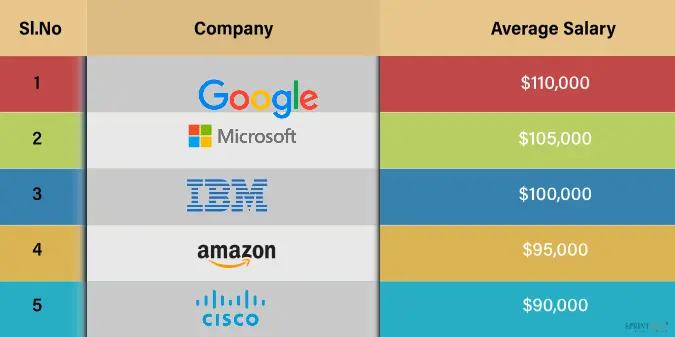
As professionals in this field, individuals can explore diverse career paths and advancement opportunities, such as incident response, security architecture, and risk management. To thrive in this dynamic industry, continuous learning and skill development are key. Check out some data about average salary based on company and location given below:
Top Industries based Average salary for Information Security Analysts
Top Locations based average salary for Information Security Analysts
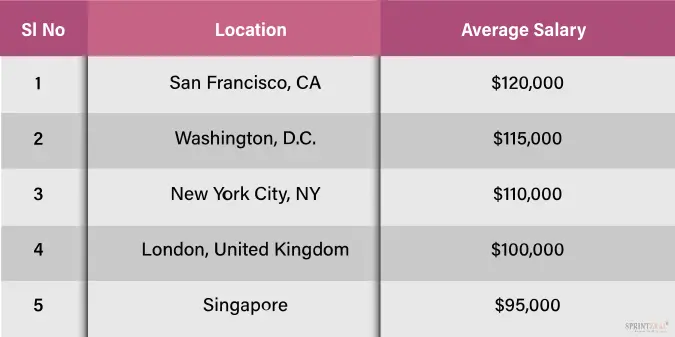
Please note that the salary figures provided are average estimates and can vary based on factors such as experience, qualifications, and industry.
Information Security Analysts need a strong foundation in various technical competencies to excel in their role. These skills include:
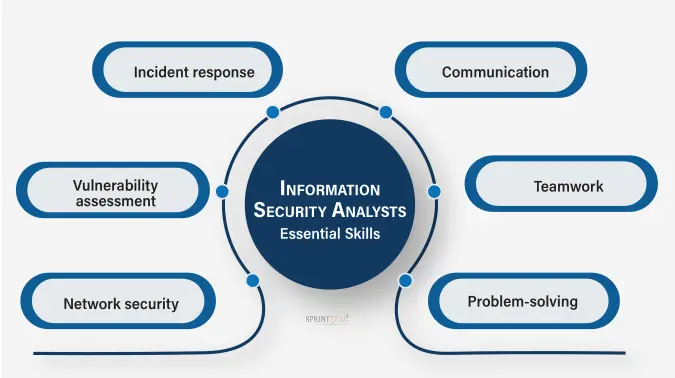
Network security
Proficiency in configuring and managing network security controls, such as firewalls, intrusion detection systems (IDS), and virtual private networks (VPNs).
Vulnerability assessment
The ability to identify and assess system vulnerabilities, conducts penetration testing, and implements remediation strategies.
Incident response
Knowledge of incident handling procedures, including investigation, containment, and recovery from security breaches.
In addition to technical expertise, Information Security Analysts must possess strong soft skills to communicate effectively and collaborate with diverse teams. These skills include:
Communication
Clear and concise communication of complex technical concepts to non-technical stakeholders is a key skill for Information Security Analysts. It helps gain understanding and support for cybersecurity initiatives.
Teamwork
Collaboration is essential for Information Security Analysts to work effectively with colleagues and departments, ensuring the successful implementation of security measures and a coordinated response to incidents. Together, they form a strong defense against cyber threats.
Problem-solving
To detect and handle security issues and come up with creative ways to shield organisations from cyber threats, information security analysts rely on their analytical thinking and problem-solving abilities.
By enhancing a combination of technical expertise and soft skills, these professionals effectively safeguard organizations while fostering effective communication and collaboration with stakeholders.
By following a career path in information security and continuously expanding their skills and knowledge, Information Security Analysts can unlock a range of advancement opportunities and make significant contributions to protecting organizations from cyber threats.
Entry-level positions: Begin as Security Analysts or SOC Analysts, gaining foundational experience in monitoring and analyzing security incidents.
Specialized roles: Progress to specialized positions like Ethical Hacker or Security Architect, leveraging expertise in penetration testing and security framework design.
Specializations: Focus on areas like cloud security, risk management, or data privacy, becoming subject matter experts in specific domains.
Continuous education: Pursue advanced certifications, attend industry events, and stay updated with the latest security trends and technologies.
Networking: Build a professional network and engage in community involvement to access mentorship and new opportunities.
The rapid advancement of technologies like AI, IoT, and cloud computing has opened up new possibilities for businesses. However, these innovations also bring complex security risks that demand the expertise of Information Security Analysts.
By staying updated with emerging trends and leveraging their knowledge and skills, these professionals play a crucial role in mitigating risks and safeguarding organizations in the ever-evolving digital landscape.
AI-powered cyber-attacks and IoT vulnerabilities pose significant threats to organizations' data and systems. Information Security Analysts must stay updated on the latest trends and techniques to identify and mitigate these emerging risks.
Additionally, the migration of data and applications to the cloud introduces new challenges in ensuring data confidentiality and maintaining secure access.
To tackle these industry trends and challenges, Information Security Analysts must continuously upskill themselves and keep abreast of evolving technologies.
To excel in their roles, Information Security Analysts must cultivate expertise in areas like AI-driven security solutions, IoT security protocols, and cloud security best practices.
By staying ahead of emerging threats and adopting proactive measures, they can effectively protect organizations and ensure strong information security practices.
Looking to take your information security career to new heights? Sprintzeal offers comprehensive cybersecurity courses that align perfectly with the skills and knowledge required in today's rapidly evolving industry.
Sprintzeal courses cover a wide range of topics, including information system governance, risk management, ethical hacking, and more. Whether you're just starting your cybersecurity journey or looking to advance your career, we have the right course for you.
By enrolling in Sprintzeal's cybersecurity courses, you'll gain the expertise and certifications that employers value. Stand out in the job market with industry-recognized certifications like CISSP, CISM, and CISA. Boost your career prospects with Sprintzeal's top certifications.
Our experienced instructors and interactive learning approach ensure practical skills for real-world application. Choose from flexible online or classroom training options. Elevate your career as an Information Security Analyst today!
In conclusion, Information Security Analysts are indispensable in protecting organizations from cyber threats and ensuring data integrity. A career in information security offers a wealth of prospects for growth and promotion due to the increasing demand for qualified cybersecurity specialists.
Don't pass up the opportunity to have a big effect in this fast changing area. Discover more about professions in information security and move one step closer to achieving professional success.
Take a bold step towards a thriving career in information security with Sprintzeal's CISSP Certification Training Course. Gain the expertise and practical skills needed to safeguard critical data and combat cyber threats. Boost your professional credentials and unlock exciting opportunities in the ever-growing field of IT security. Start your journey now!
The importance of information security analysts has never been greater than it is in today's rapid online world. Organizations all around the world are realizing the critical need for experienced individuals who can protect sensitive data and manage risks as a result of a rapid rise in cyber threats.
Recent statistics reveal a staggering projection: the demand for Information Security Analysts is set to soar at an impressive rate of 31% from 2019 to 2029, surpassing the average growth across all occupations. These compelling figures underscore the criticality and urgency of this profession in our technology-driven era.
To gain valuable insights into the skills, salary prospects, and career path of Information Security Analysts, explore our informative blog. Discover the vital role they play in defending against cyber threats and uncover the steps you can take to launch a rewarding career in information security.
Join us on this journey to secure a promising future in this dynamic field.
Information security analysts are essential in preserving an organization's digital assets and guaranteeing the availability, confidentiality, and integrity of critical data. Here is some of the task which the information security Analysts role requires.
-Identify vulnerabilities and potential risks in computer systems, networks, and software applications.
-Conduct regular security assessments and audits to proactively address security weaknesses.
-Monitor network traffic and system logs to detect and respond to security incidents.
-Analyze security breaches, investigate the root cause, and implement preventive measures.
-Develop and enforce security policies, procedures, and guidelines to ensure compliance.
-Possess technical skills in networking, cryptography, penetration testing, and more.
-Stay updated with the latest threats, trends, and best practices in cybersecurity.
-Apply analytical thinking and problem-solving abilities to assess risks and make informed decisions.
-Contribute to the resilience and security of organizations in the face of evolving cyber threats.
To pursue a career as an information Security Analysts, formal education and industrial certification is necessary.
Academic requirements and degree programs
-Preferred educational background: Information Security Analysts often hold a degree in cybersecurity, computer science, or a related field.
-Benefits of higher education: Advanced coursework equips professionals with in-depth knowledge of cybersecurity principles, risk management, and advanced technologies.
-Specialized coursework: Discuss courses such as network security, ethical hacking, cryptography, and incident response that provide a strong foundation for the role.
Industry certifications for Information Security Analysts
-Well-recognized certifications: Highlight certifications like Certified Information Systems Security Professional (CISSP), Certified Ethical Hacker (CEH), and Certified Information Security Manager (CISM).
-Relevance to the role: Explain how these certifications validate skills, demonstrate expertise, and are highly regarded by employers in the industry.
-Career enhancement: Discuss how certifications can open doors to advanced job opportunities, higher salaries, and career advancement in the cybersecurity field.
Information Security Analysts command competitive salaries due to the high demand for their skills.Information Security Analysts can expect competitive salaries in their field. Entry-level positions typically start around $60,000 per year, while experienced professionals have the potential to earn over $100,000 annually. By obtaining additional certifications and developing expertise, professionals can unlock even higher earning potential.
Salary levels for Information Security Analysts are influenced by factors such as location, industry, organization size, and experience. Salaries tend to be higher in metropolitan areas and industries like finance and healthcare. Experience and specialized skills also contribute to higher earning potential.
The job outlook for Information Security Analysts is promising, with a projected 31% growth rate, much faster than the average for all occupations. The demand for Information Security Analysts is fueled by the growing requirement for strong cybersecurity measures across industries.
As professionals in this field, individuals can explore diverse career paths and advancement opportunities, such as incident response, security architecture, and risk management. To thrive in this dynamic industry, continuous learning and skill development are key. Check out some data about average salary based on company and location given below:
Top Industries based Average salary for Information Security Analysts
Top Locations based average salary for Information Security Analysts
Please note that the salary figures provided are average estimates and can vary based on factors such as experience, qualifications, and industry.
Information Security Analysts need a strong foundation in various technical competencies to excel in their role. These skills include:
Network security
Proficiency in configuring and managing network security controls, such as firewalls, intrusion detection systems (IDS), and virtual private networks (VPNs).
Vulnerability assessment
The ability to identify and assess system vulnerabilities, conducts penetration testing, and implements remediation strategies.
Incident response
Knowledge of incident handling procedures, including investigation, containment, and recovery from security breaches.
In addition to technical expertise, Information Security Analysts must possess strong soft skills to communicate effectively and collaborate with diverse teams. These skills include:
Communication
Clear and concise communication of complex technical concepts to non-technical stakeholders is a key skill for Information Security Analysts. It helps gain understanding and support for cybersecurity initiatives.
Teamwork
Collaboration is essential for Information Security Analysts to work effectively with colleagues and departments, ensuring the successful implementation of security measures and a coordinated response to incidents. Together, they form a strong defense against cyber threats.
Problem-solving
To detect and handle security issues and come up with creative ways to shield organisations from cyber threats, information security analysts rely on their analytical thinking and problem-solving abilities.
By enhancing a combination of technical expertise and soft skills, these professionals effectively safeguard organizations while fostering effective communication and collaboration with stakeholders.
By following a career path in information security and continuously expanding their skills and knowledge, Information Security Analysts can unlock a range of advancement opportunities and make significant contributions to protecting organizations from cyber threats.
Entry-level positions: Begin as Security Analysts or SOC Analysts, gaining foundational experience in monitoring and analyzing security incidents.
Specialized roles: Progress to specialized positions like Ethical Hacker or Security Architect, leveraging expertise in penetration testing and security framework design.
Specializations: Focus on areas like cloud security, risk management, or data privacy, becoming subject matter experts in specific domains.
Continuous education: Pursue advanced certifications, attend industry events, and stay updated with the latest security trends and technologies.
Networking: Build a professional network and engage in community involvement to access mentorship and new opportunities.
The rapid advancement of technologies like AI, IoT, and cloud computing has opened up new possibilities for businesses. However, these innovations also bring complex security risks that demand the expertise of Information Security Analysts.
By staying updated with emerging trends and leveraging their knowledge and skills, these professionals play a crucial role in mitigating risks and safeguarding organizations in the ever-evolving digital landscape.
AI-powered cyber-attacks and IoT vulnerabilities pose significant threats to organizations' data and systems. Information Security Analysts must stay updated on the latest trends and techniques to identify and mitigate these emerging risks.
Additionally, the migration of data and applications to the cloud introduces new challenges in ensuring data confidentiality and maintaining secure access.
To tackle these industry trends and challenges, Information Security Analysts must continuously upskill themselves and keep abreast of evolving technologies.
To excel in their roles, Information Security Analysts must cultivate expertise in areas like AI-driven security solutions, IoT security protocols, and cloud security best practices.
By staying ahead of emerging threats and adopting proactive measures, they can effectively protect organizations and ensure strong information security practices.
Looking to take your information security career to new heights? Sprintzeal offers comprehensive cybersecurity courses that align perfectly with the skills and knowledge required in today's rapidly evolving industry.
Sprintzeal courses cover a wide range of topics, including information system governance, risk management, ethical hacking, and more. Whether you're just starting your cybersecurity journey or looking to advance your career, we have the right course for you.
By enrolling in Sprintzeal's cybersecurity courses, you'll gain the expertise and certifications that employers value. Stand out in the job market with industry-recognized certifications like CISSP, CISM, and CISA. Boost your career prospects with Sprintzeal's top certifications.
Our experienced instructors and interactive learning approach ensure practical skills for real-world application. Choose from flexible online or classroom training options. Elevate your career as an Information Security Analyst today!
In conclusion, Information Security Analysts are indispensable in protecting organizations from cyber threats and ensuring data integrity. A career in information security offers a wealth of prospects for growth and promotion due to the increasing demand for qualified cybersecurity specialists.
Don't pass up the opportunity to have a big effect in this fast changing area. Discover more about professions in information security and move one step closer to achieving professional success.
Take a bold step towards a thriving career in information security with Sprintzeal's CISSP Certification Training Course. Gain the expertise and practical skills needed to safeguard critical data and combat cyber threats. Boost your professional credentials and unlock exciting opportunities in the ever-growing field of IT security. Start your journey now!

Niharika Chaurasia
Niharika is a technical content writer in the education niche with vast experience in creating content for certifications and training programs. She creates engaging, easy-to-understand, and valuable content for both beginners and professionals aspiring to enhance their careers.
Mon, 09 December 2024
Tue, 11 March 2025

Tue, 11 March 2025


© 2024 Sprintzeal Americas Inc. - All Rights Reserved.

 USA : +1315-322-7821
 UK : +44 7700 174870
 IND : +919008230179
 AUS : +61 480 005 455
Leave a comment