What Is Secure Access Service Edge (SASE)?
Tue, 15 October 2024

Follow the stories of academics and their research expeditions

Growth of an organization or a business, irrespective of its size and industry, mainly depends of the projects they handle. But as you may realize, the project an organization can earn purely depends on how they manage the projects and also by the delivering quality. And to do this effectively, following a system of frameworks is the best strategy. And that is exactly the role of ISO Management certifications.
The recognition of a business or an organization does not only depend on the projects they manage and handle but also with staying relevant to customer’s needs. And one of these evolved requirements that customers put their trust in is the environmental impact. That is exactly why having a very good project and energy management with a blend of environmental impact management is the key for any new business’s growth.
Businesses and organizations that can effectively manage their projects and optimize energy consumption cleverly have a greater advantage in the market. ISO certifications provide a structured framework for organizations to achieve high standards in project and energy management. By following these internationally recognized standards, businesses can streamline operations, improve decision-making, and reduce costs.
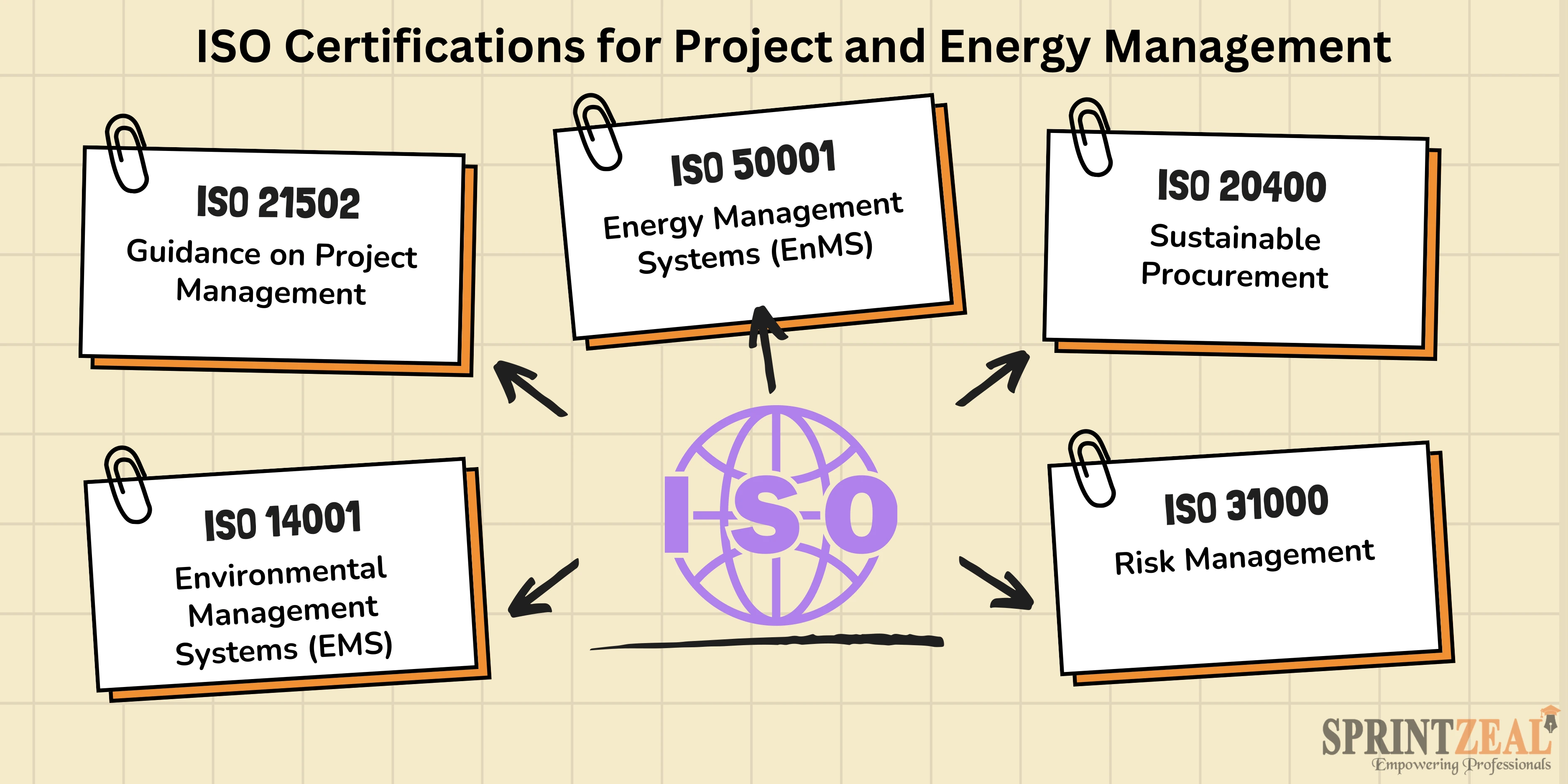
ISO (International Organization for Standardization) develops globally accepted standards to ensure quality, safety, and efficiency across industries. Compliance with ISO standards leads to better decision-making, improved resource management, and a reduction in operational risks. These certifications act as benchmarks for ensuring that organizational processes are optimized, resources are managed effectively, and sustainability goals are met. For project management, ISO 21502 is essential, while ISO 50001 plays a vital role in energy efficiency. ISO 20400, meanwhile, focuses on sustainable procurement practices.
ISO 21502 is an international project management standard that provides guidance on how to manage projects effectively. It focuses on improving resource allocation, setting clear project objectives, and aligning project outcomes with broader business goals.
By implementing ISO 21502, organizations can structure projects in a more organized manner, ensuring that resources are used efficiently and that projects are completed within scope, time, and budget. The standard helps organizations reduce risks, improve communication, and enhance overall project performance.
ISO 21502 Lead Project Manager is a role given to the professionals certified with the ISO 21502 Lead Project Manager certification. They are responsible for overseeing the application of ISO 21502 standards within an organization’s projects. This role focuses on managing teams, ensuring project alignment with business objectives, and ensuring continuous improvement in project performance.
To become an ISO 21502 Lead Project Manager, candidates must undergo specific training and pass certification exams. These certifications verify that an individual is capable of leading projects in line with ISO 21502 guidelines, contributing to enhanced project management processes within an organization. The ISO 21502 certification enhances a project manager's credentials and offers leadership advantages.
Just like the ISO 21502, ISO 20400 is the global standard for sustainable procurement. This helps in guiding organizations in sourcing goods and services responsibly. This standard ensures the alignment of procurement processes with environmental, social, and economic sustainability principles. The role of an ISO 20400 Lead Manager is to ensure organization’s procurement practices comply with sustainability standards as per ISO (International Organization for Standardization).
Overseeing supplier selection, contract management, and ensure that procurement activities support broader sustainability and ESG (Environmental, Social, and Governance) goals are the key responsibilities of an ISO 20400 Lead Manager. ISO 20400 encourages businesses to adopt ethical and sustainable procurement practices, ensuring that suppliers adhere to environmental standards and contribute positively to society. This is critical in achieving long-term sustainability in supply chains and projects.
Another global standard just like the others discussed, is ISO 50001. This international standard is an energy management systems standard providing a structured framework to help organizations improve energy efficiency, reduces energy consumption, and cut operational costs.
Organizations that implement ISO 50001 can reduce energy usage, lower greenhouse gas emissions, and save on energy costs. It enables businesses to adopt systematic approaches to managing energy, improving both performance and sustainability.
Just like all other ISO standard, even the ISO 50001 standard helps organizations in more than just one way. Through ISO 50001, organizations can adopt energy cost reduction strategies like optimizing equipment use, upgrading to energy-efficient systems, and monitoring energy performance. This creates a positive impact on the customers, improving their trust on this business. Several organizations, from manufacturing firms to corporate offices, have seen a significant reduction in energy costs after implementing ISO 50001. For instance, some companies have cut energy consumption by up to 20%, leading to substantial savings.
ISO 50001 outlines effective energy management practices such as performing regular energy audits, setting clear energy performance indicators (EnPIs), and continuously improving energy usage.
By implementing ISO 50001, organizations can track their energy consumption more effectively and make informed decisions about energy performance improvements. This not only reduces costs but also supports sustainability initiatives.
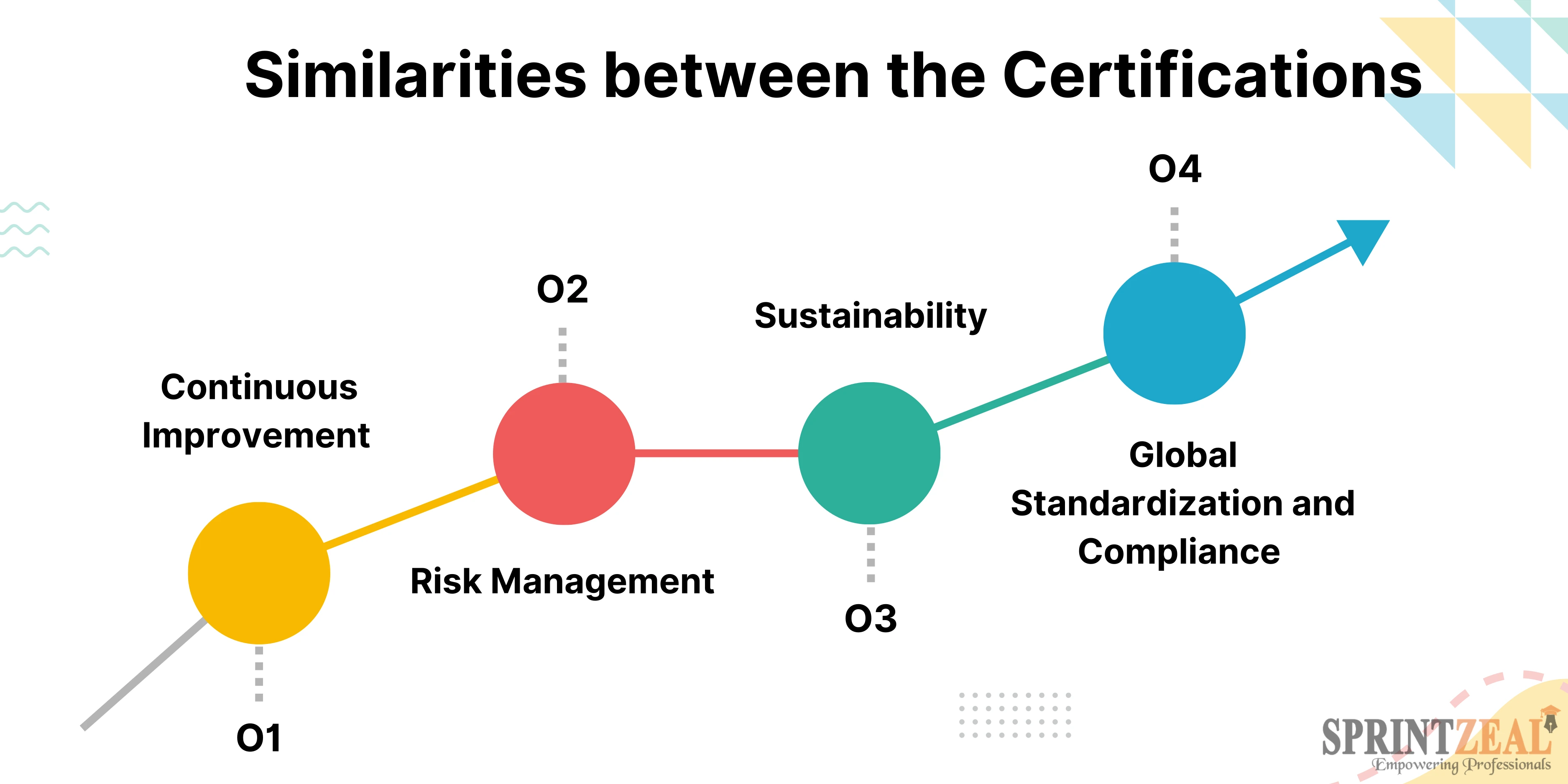
While ISO 21502 focuses on improving project management practices, ISO 50001 is dedicated to enhancing energy efficiency. Together, these certifications offer a comprehensive approach to managing both projects and energy consumption effectively.
Organizations should choose certifications based on their specific needs. Those focused on efficient project delivery may opt for ISO 21502, while businesses looking to reduce energy costs and improve sustainability may benefit from ISO 50001. For organizations striving for both, a combination of the two can provide a competitive advantage.
ISO certifications offer a structured approach to improving project and energy management. By adopting standards such as ISO 21502, ISO 20400, and ISO 50001, organizations can streamline operations, reduce risks, and promote sustainability. Implementing these standards offers businesses a competitive edge in the market and also help drive success.

Interested in mastering ISO certifications? Explore Sprintzeal’s specialized training courses for ISO 21502 and ISO 50001. Get in touch today to learn more or sign up for upcoming certification programs!

Sprintzeal
Tue, 15 October 2024
Fri, 06 December 2024

Wed, 16 October 2024


© 2024 Sprintzeal Americas Inc. - All Rights Reserved.

 USA : +1315-322-7821
 UK : +44 7700 174870
 IND : +919008230179
 AUS : +61 480 005 455
Leave a comment