Customer Experience (CX): Definition, Importance, and Strategies for Success
Tue, 25 February 2025

Follow the stories of academics and their research expeditions
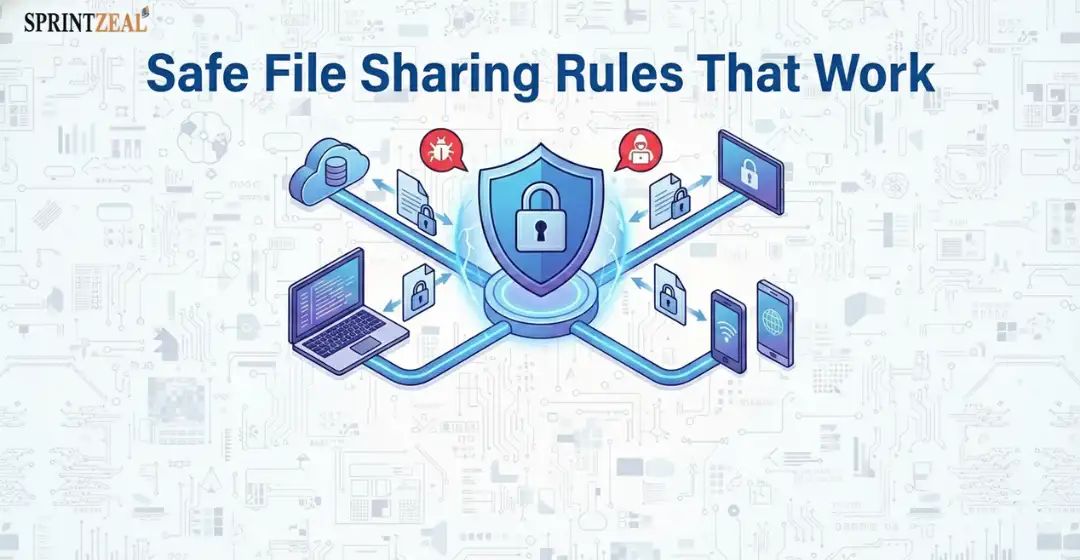
Swift and secure data transfers are critical to any organization's teamwork and collaboration. People in a team work together with all kinds of files ranging from plain documents to highly classified documents. Although teamwork is essential to all organizations, a lack of cohesion can result in unnecessary risks. The integration of Document Management Systems, such as Boundeal, which enhance collaborative efforts and teamwork, document the shifting of files, preventing organizations from potentially losing emails and documents to other enterprises, enhances corporate productivity.
The integration of cloud tools has not revolutionized corporate computing as anticipated, since many lack the security, reliability, and designed structure of corporate software. Working with a VDR is the new corporate trend as it allows companies to lock down and maintain control over documents and information, while increasing their control over accessibility and many other compliance requirements. All companies and teams can significantly reduce the chances of their information, documents, and files being impacted by the use of consistent and disciplined control policies.
There is a casual and careless approach to files employees use and share without giving thought to and the ones they neglect to share with. Sharing files with emails, links to files stored in the cloud, messengers, and other digital file-sharing methods can cause information to escape without the employees being aware of it even when adequate security is in place. Historically careless approach, as they protect all client data and most documents and info from internal strategies.
Predictable behavioral patterns lead to the structural behaviours that protect teams and businesses. If team members know exactly how to store, share and access files, the odds of unintentional exposure are greatly minimized.
While open or unregulated file-sharing links may seem simple and quick, they represent a lack of responsibility. Teams should use tools that allow:
file access on a user basis
access during a limited time frame
entry with a password
downloads are disabled or restricted
These guidelines protect how only specified participants can open or engage with a file. If teams need to use open links, they should include a limited time frame for their use.
For regular materials, everyday cloud folders are sufficient. For sensitive documents, they warrant a higher level of organization. A balanced system – typically supported by a Virtual Data Room – will allow teams to silo internal information from sensitive project materials. It decreases ambiguity about where files should remain, and minimizes the risk of unintentional uploads to non-secured locations.
Structured systems also allow easy changes of access to members of teams who change roles, transfer to another department, or leave the organization completely.
There are some files that contain sensitive and secured information. The inability to access or identify some specific versions of such files could lead to mistakes, workflow stagnation, and breaches. All teams should use email:
Integrated Systems
Versioning Naming Schemes
Versioning log
Version history
Effective version control allows the entire workgroup to function seamlessly with the most recent information while ensuring contents do not remain dormant, unfiled, or remain available via private storage.
Email is the communication line that is used the most and thus is the most dangerous communication line. Email attachments can easily be downloaded to unprotected end-user devices, and email accounts of recipients can be hacked gaining unauthorized access to data and breaches.
Share sensitive information through data-managed document collaboration and internal workflow systems.
Access rights can and should be reviewed periodically. Team members who have broad access to files at the start of a project or initiative often wind up with significantly more restrictive access as work progresses. Regular control reviews allow teams to maintain effective governance of data access with respect to files that users should no longer be able to access.
Correcting access rights and normalizing control to access lists gravitating to full control is generally sufficient in managing stale access rights.
Security is not a matter of technology alone—team practices are also crucial. Safer collaboration is possible if teams implement policies, use dedicated storage systems, review permissions periodically, and refrain from using ad hoc sharing tools.
Tools given by companies such as Boundeal, which is developing features tailored to secure document sharing and permission control, are beneficial to teams as they foster safe collaboration. Coupled with internal policies, these tools assist organizations in building a culture of daily operational security.
Accountability is a big part of secure file sharing, and if the employees themselves are unaware of their roles, then no advanced tools can replace weak internal practices. Clear, written guidelines regarding how files are stored, who can access them, how sensitive information needs to be shared, and when, must be created by organizations. These should be unequivocal policies communicated time and again for teamwide compliance.
Regular training reinforces secure behavior. Workers are much more likely to follow the rules consistently when they understand why security protocols, such as access limitations or the use of a VDR, exist. This closes security gaps and keeps team members in step with each other.
Swift and secure data transfers are critical to any organization's teamwork and collaboration. People in a team work together with all kinds of files ranging from plain documents to highly classified documents. Although teamwork is essential to all organizations, a lack of cohesion can result in unnecessary risks. The integration of Document Management Systems, such as Boundeal, which enhance collaborative efforts and teamwork, document the shifting of files, preventing organizations from potentially losing emails and documents to other enterprises, enhances corporate productivity.
The integration of cloud tools has not revolutionized corporate computing as anticipated, since many lack the security, reliability, and designed structure of corporate software. Working with a VDR is the new corporate trend as it allows companies to lock down and maintain control over documents and information, while increasing their control over accessibility and many other compliance requirements. All companies and teams can significantly reduce the chances of their information, documents, and files being impacted by the use of consistent and disciplined control policies.
There is a casual and careless approach to files employees use and share without giving thought to and the ones they neglect to share with. Sharing files with emails, links to files stored in the cloud, messengers, and other digital file-sharing methods can cause information to escape without the employees being aware of it even when adequate security is in place. Historically careless approach, as they protect all client data and most documents and info from internal strategies.
Predictable behavioral patterns lead to the structural behaviours that protect teams and businesses. If team members know exactly how to store, share and access files, the odds of unintentional exposure are greatly minimized.
While open or unregulated file-sharing links may seem simple and quick, they represent a lack of responsibility. Teams should use tools that allow:
These guidelines protect how only specified participants can open or engage with a file. If teams need to use open links, they should include a limited time frame for their use.
For regular materials, everyday cloud folders are sufficient. For sensitive documents, they warrant a higher level of organization. A balanced system – typically supported by a Virtual Data Room – will allow teams to silo internal information from sensitive project materials. It decreases ambiguity about where files should remain, and minimizes the risk of unintentional uploads to non-secured locations.
Structured systems also allow easy changes of access to members of teams who change roles, transfer to another department, or leave the organization completely.
There are some files that contain sensitive and secured information. The inability to access or identify some specific versions of such files could lead to mistakes, workflow stagnation, and breaches. All teams should use email:
Effective version control allows the entire workgroup to function seamlessly with the most recent information while ensuring contents do not remain dormant, unfiled, or remain available via private storage.
Email is the communication line that is used the most and thus is the most dangerous communication line. Email attachments can easily be downloaded to unprotected end-user devices, and email accounts of recipients can be hacked gaining unauthorized access to data and breaches.
Share sensitive information through data-managed document collaboration and internal workflow systems.
Access rights can and should be reviewed periodically. Team members who have broad access to files at the start of a project or initiative often wind up with significantly more restrictive access as work progresses. Regular control reviews allow teams to maintain effective governance of data access with respect to files that users should no longer be able to access.
Correcting access rights and normalizing control to access lists gravitating to full control is generally sufficient in managing stale access rights.
Security is not a matter of technology alone—team practices are also crucial. Safer collaboration is possible if teams implement policies, use dedicated storage systems, review permissions periodically, and refrain from using ad hoc sharing tools.
Tools given by companies such as Boundeal, which is developing features tailored to secure document sharing and permission control, are beneficial to teams as they foster safe collaboration. Coupled with internal policies, these tools assist organizations in building a culture of daily operational security.
Accountability is a big part of secure file sharing, and if the employees themselves are unaware of their roles, then no advanced tools can replace weak internal practices. Clear, written guidelines regarding how files are stored, who can access them, how sensitive information needs to be shared, and when, must be created by organizations. These should be unequivocal policies communicated time and again for teamwide compliance.
Regular training reinforces secure behavior. Workers are much more likely to follow the rules consistently when they understand why security protocols, such as access limitations or the use of a VDR, exist. This closes security gaps and keeps team members in step with each other.

Sprintzeal
Tue, 25 February 2025
Mon, 31 March 2025

Tue, 25 February 2025


© 2024 Sprintzeal Americas Inc. - All Rights Reserved.

 USA : +1315-322-7821
 UK : +44 7700 174870
 IND : +919008230179
 AUS : +61 480 005 455
Leave a comment