What Is Secure Access Service Edge (SASE)?
Tue, 15 October 2024

Follow the stories of academics and their research expeditions

Imagine a tool that revolutionized workplace communication, turning chaotic email threads into seamless conversations. Slack, the hub of collaboration, achieved this and gained popularity across the globe, becoming a household name for teams worldwide.
But as its popularity increased, the higher the stakes got as well, especially in addressing security concerns. In a time now where the news is dominated by major cybersecurity breaches, Slack managing to solve hard problems very quickly is nothing short of astounding, in my opinion.
How the king managed to scale at scale and at the same time had in place solid security policies at scale. Let’s explore how this tech giant managed to balance its growth ambitions with robust security protocols including practical administrative controls like how to remove users from Slack to maintain account security and access hygiene.
Slack was founded in 2013 and quickly turned into an office superstar. In fact, by incorporating instant messaging and file sharing, as well as the other tool integrations within the platform itself, Slack started seeing incredible adoption. As seen from the growth path, this was powered by
Expanding user base:
From startups to Fortune 500 companies.
Seamless Itegrations:
It used tools like Google Drive, Trello, and Zoom for seamless integrations
A focus on Innovation:
Regular feature updates and improvements.
With growth came the challenge of maintaining data security for millions of users. Slack needed to safeguard sensitive company information without compromising its rapid expansion.
Scaling a platform like Slack isn’t just about adding servers or improving infrastructure. It’s also about addressing critical security challenges:
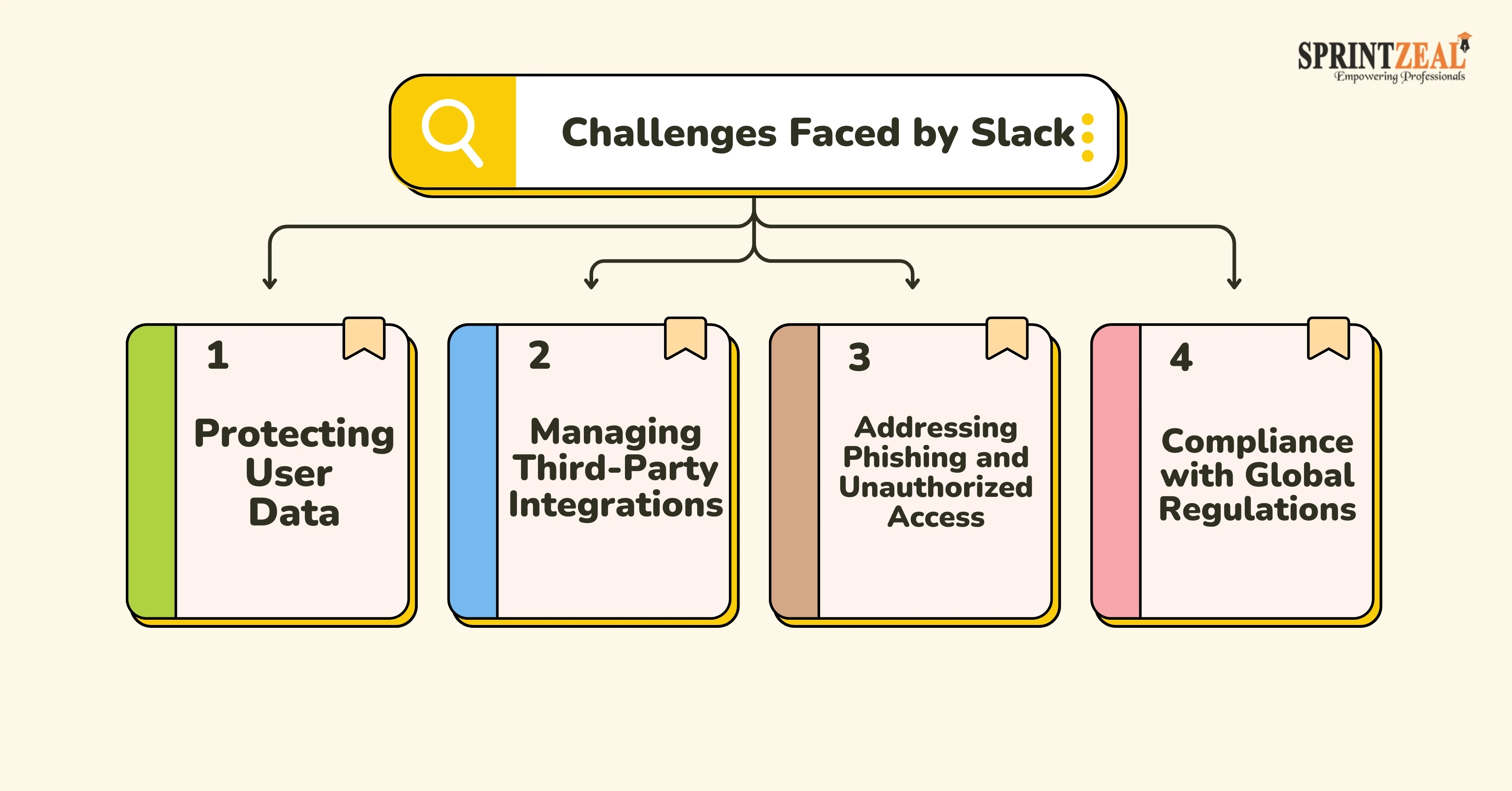
Slack’s response to these challenges was both proactive and strategic. Here’s how they addressed key concerns:
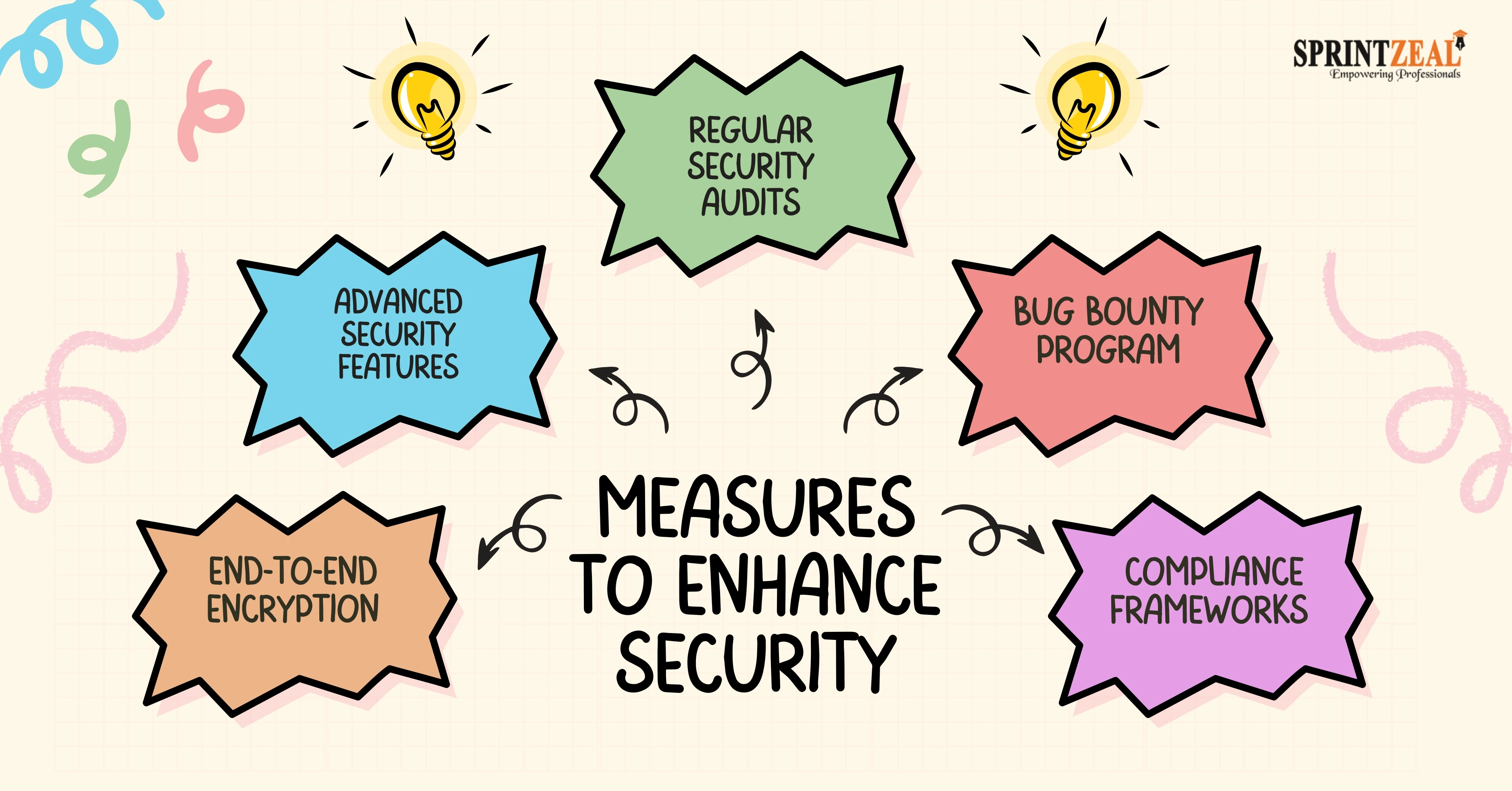
(For more information on securing systems, check out Sprintzeal's blog on the Future of Cybersecurity.)
Slack understood that security isn’t just about technology—it’s also about trust. To foster this:
For businesses navigating rapid growth, Slack’s approach offers valuable takeaways:
- Prioritize Security Early
Building robust security measures from the outset prevents costly breaches later.
- Invest in Employee Training Educate employees about recognizing phishing attempts and following best practices for password management.
- Leverage Automation
Utilize Automation Deploy tools for monitoring and detection of unusual behavior and automate responses to suspected threats in near real-time.
- Stay Compliant
Ensure adherence to relevant data protection regulations to avoid legal complications.
- Partner with Experts
Consider partnering with cybersecurity firms like Sprintzeal to implement advanced security protocols.
From a startup to a global leader, the story of Slack tells that never lose security while scaling. Slack has paved the way for the rest by openly embracing challenges and placing user trust above all else.
Whether you are a startup or an enterprise, investing in cybersecurity is mandatory at the present state of the digital market.

Sprintzeal
Tue, 15 October 2024
Fri, 06 December 2024

Wed, 16 October 2024


© 2024 Sprintzeal Americas Inc. - All Rights Reserved.

 USA : +1315-322-7821
 UK : +44 7700 174870
 IND : +919008230179
 AUS : +61 480 005 455
Leave a comment