Customer Experience (CX): Definition, Importance, and Strategies for Success
Tue, 25 February 2025

Severity: Warning
Message: file_get_contents(http://www.geoplugin.net/json.gp?ip=216.73.216.239): Failed to open stream: HTTP request failed! HTTP/1.1 403 Forbidden
Filename: helpers/location_helper.php
Line Number: 77
Backtrace:
File: /home/sprintzeal.org/public_html/application/helpers/location_helper.php
Line: 77
Function: file_get_contents
File: /home/sprintzeal.org/public_html/application/controllers/Blog.php
Line: 109
Function: location_details
File: /home/sprintzeal.org/public_html/index.php
Line: 289
Function: require_once
Follow the stories of academics and their research expeditions
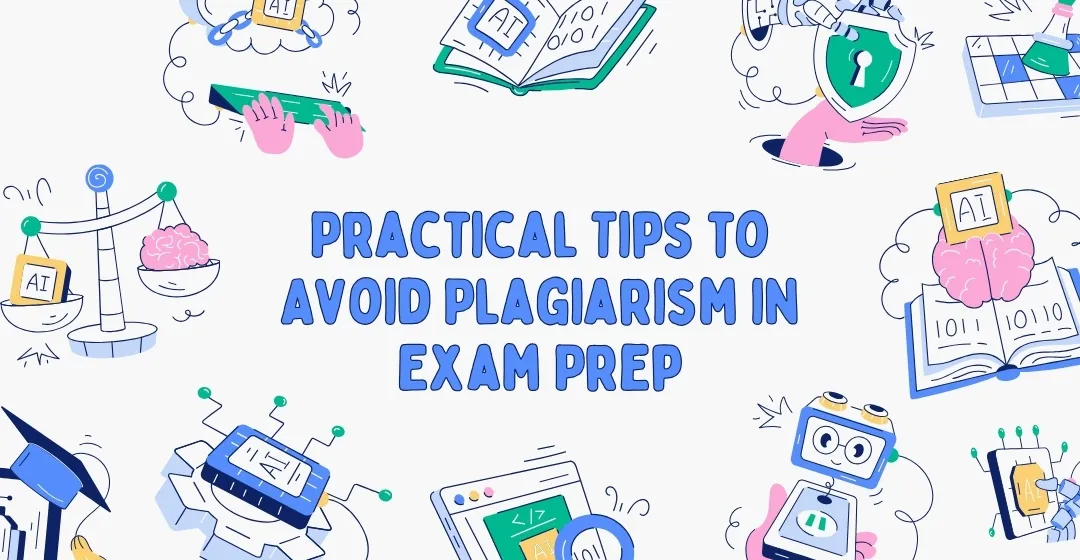
Plagiarism harms your reputation and your results. When you copy or rewrite someone else's words without credit, you risk failing an exam or losing trust at work.
Monitor your results and protect your account details.
Pressure and unclear habits cause most slips. For example, a wise use of tools that help polish writing does wonders; a grammar checker can catch awkward phrasing and typos, but it will not decide whether an idea needs attribution. So, build small habits that make original work easier than copying.
This guide gives practical steps you can use today. Trainers will find usable rubrics and quick activities, and learners will get routines and tools that reduce temptation and save time.
Let's start!
Avoid Plagiarism: Tips for Exam Prep
Exam settings create temptation: You face tight deadlines and heavy content, so your brain starts looking for easier ways to avoid that stress and pressure. Follow these practical steps to reduce risk and keep your work honest.
1. Start with a clear plan.
Break topics into study blocks and reserve time to write practice answers. When you create a schedule, you avoid last-minute rushes that lead to copying.
2. Take citation-aware notes.
When you read a chapter or article, record the author, title, page, and a one-line reason you might cite it. If using someone's direct words, put them in quotation marks to show the authorship. That small habit prevents source loss later.
3. Paraphrase the right way.
After you've read the source, put it away and do your best to retell that information in your own words, in the way you understand it. Compare your paraphrase to the original and add a citation. Practice this technique with short paragraphs until it becomes second nature.
4. Use short examples to learn.
Try this quick drill: take a 20-word sentence, paraphrase it twice, then cite. Repeat five times per topic. These micro-exercises build real skill.
5. Run a plagiarism checker before submission.
Treat the tool as a reality check. If the similarity report shows matching phrases, revise and add citations. Do not simply redact matches; improve clarity and credit sources.
6. Keep drafts and dated files.
Save multiple versions with clear names like topic-draft-1-2025-08-26. By demonstrating your writing process, you prevent suspicion and preserve records of original thoughts.
How to Prevent Plagiarism During Your Study Routine
Here are daily habits that work — short, practical, ready to follow.
- Plan study blocks.
Break topics into focused sessions and save time for writing answers.
- Record sources.
While reading, write down the author, title, and page number so you don't lose the source.
- Mark direct quotes.
When noting while researching, put exact phrases in quotation marks so that you avoid accidental plagiarism later.
- Paraphrase first, then check.
Write ideas from memory, then compare and cite the source.
- Keep a running bibliography.
Add every source to one shared document for quick reference.
- Save dated drafts.
Name files with topic and date to show progress and protect originality.
- Do short paraphrase drills.
Five minutes per day improves skill and confidence.
- Run a reliable plagiarism checker.
Use it as a final check and fix matches before submission.
Practical Plagiarism Avoidance Techniques for Classrooms and Professional Training
Make the learning environment work for originality. Design and assessment strategies influence behavior more than rules do.
Use these techniques both in classrooms and in workplace training:
- Design questions that require application.
Ask learners to analyze a case or apply a model to a workplace scenario. When prompts require personal judgment or local data, copying becomes more challenging and less valuable.
- Teaching citation as a practical skill.
Offer short, hands-on lessons where learners add citations to a one-page brief. Show them examples of in-text notes and references so they see how to format them. Trainers who model citation use reduce fear and confusion.
- Require iterative submissions.
Ask for low-stakes drafts and quick reflections. When students or trainees submit progress, you see development and discourage last-minute copying. Keep feedback short and focused on improvement.
- Use simple templates and rubrics.
Give a slide-deck template that includes a "Sources" field and a one-line reflection box. Make the rubric transparent: show how original analysis earns more points than summary. Clarity reduces gamesmanship.
- Make the most of technology.
Use a plagiarism detector as one part of the workflow, not the only part. Combine tools with human editing for particular and actionable steps for revision. Teach learners how to read similarity reports and fix problems.
How to Avoid Plagiarism in Professional Training
Trainers must set expectations early:
Start each course with a brief module that explains what counts as plagiarism and how to cite. Require participants to attach source links when they submit job aids, and ask for a one-paragraph reflection that connects cited material to their practice.
Plagiarism Prevention Strategies in Training
Formal policy helps, but active pedagogy matters more. Pair a concise anti-plagiarism statement with quick activities that teach paraphrasing and source attribution. Use peer review sessions where colleagues check each other's references and offer constructive suggestions.
Peer accountability builds a culture of honesty.
Tools and Quick Resources to Assist You
Use tools that fit the task and the budget.
- Citation managers:
Install Zotero or Mendeley to collect sources and generate reference lists.
- Plagiarism detector options:
Use institutional tools when available and supplement with online plagiarism checker services for a quick scan. Distinguish between similarity and misuse by reading reports closely.
- Exam preparation plagiarism software tools:
Explore products that integrate with your learning system to flag matches while protecting student privacy.
- Writing helpers:
Use a reliable grammar checker for clarity of your content.
- Idea support:
Try a topic generator to create fresh prompts for practice answers and training exercises.
Use each tool deliberately. Make attribution a habit, not a last-minute scramble.
Final Words
Preventing plagiarism takes small, steady actions. Build routines that make original work easier than copying. Trainers who teach citation and design applied tasks cut problems before they start, and learners who paraphrase daily and use tools wisely protect their grades and careers.
So, here's your quick checklist to follow:
- Start early and plan your work.
- Record sources as you read.
- Paraphrase first, then cite.
- Save drafts with dates.
- Run a plagiarism detector and fix flagged matches.
- Use citation tools and a topic generator for fresh practice.
Ready to practice?
Plagiarism harms your reputation and your results. When you copy or rewrite someone else's words without credit, you risk failing an exam or losing trust at work.
Monitor your results and protect your account details.
Pressure and unclear habits cause most slips. For example, a wise use of tools that help polish writing does wonders; a grammar checker can catch awkward phrasing and typos, but it will not decide whether an idea needs attribution. So, build small habits that make original work easier than copying.
This guide gives practical steps you can use today. Trainers will find usable rubrics and quick activities, and learners will get routines and tools that reduce temptation and save time.
Let's start!
Exam settings create temptation: You face tight deadlines and heavy content, so your brain starts looking for easier ways to avoid that stress and pressure. Follow these practical steps to reduce risk and keep your work honest.
Here are daily habits that work — short, practical, ready to follow.
- Plan study blocks.
Break topics into focused sessions and save time for writing answers.
- Record sources.
While reading, write down the author, title, and page number so you don't lose the source.
- Mark direct quotes.
When noting while researching, put exact phrases in quotation marks so that you avoid accidental plagiarism later.
- Paraphrase first, then check.
Write ideas from memory, then compare and cite the source.
- Keep a running bibliography.
Add every source to one shared document for quick reference.
- Save dated drafts.
Name files with topic and date to show progress and protect originality.
- Do short paraphrase drills.
Five minutes per day improves skill and confidence.
- Run a reliable plagiarism checker.
Use it as a final check and fix matches before submission.
Make the learning environment work for originality. Design and assessment strategies influence behavior more than rules do.
Use these techniques both in classrooms and in workplace training:
- Design questions that require application.
Ask learners to analyze a case or apply a model to a workplace scenario. When prompts require personal judgment or local data, copying becomes more challenging and less valuable.
- Teaching citation as a practical skill.
Offer short, hands-on lessons where learners add citations to a one-page brief. Show them examples of in-text notes and references so they see how to format them. Trainers who model citation use reduce fear and confusion.
- Require iterative submissions.
Ask for low-stakes drafts and quick reflections. When students or trainees submit progress, you see development and discourage last-minute copying. Keep feedback short and focused on improvement.
- Use simple templates and rubrics.
Give a slide-deck template that includes a "Sources" field and a one-line reflection box. Make the rubric transparent: show how original analysis earns more points than summary. Clarity reduces gamesmanship.
- Make the most of technology.
Use a plagiarism detector as one part of the workflow, not the only part. Combine tools with human editing for particular and actionable steps for revision. Teach learners how to read similarity reports and fix problems.
How to Avoid Plagiarism in Professional Training
Trainers must set expectations early:
Start each course with a brief module that explains what counts as plagiarism and how to cite. Require participants to attach source links when they submit job aids, and ask for a one-paragraph reflection that connects cited material to their practice.
Plagiarism Prevention Strategies in Training
Formal policy helps, but active pedagogy matters more. Pair a concise anti-plagiarism statement with quick activities that teach paraphrasing and source attribution. Use peer review sessions where colleagues check each other's references and offer constructive suggestions.
Peer accountability builds a culture of honesty.
Use tools that fit the task and the budget.
- Citation managers:
Install Zotero or Mendeley to collect sources and generate reference lists.
- Plagiarism detector options:
Use institutional tools when available and supplement with online plagiarism checker services for a quick scan. Distinguish between similarity and misuse by reading reports closely.
- Exam preparation plagiarism software tools:
Explore products that integrate with your learning system to flag matches while protecting student privacy.
- Writing helpers:
Use a reliable grammar checker for clarity of your content.
- Idea support:
Try a topic generator to create fresh prompts for practice answers and training exercises.
Use each tool deliberately. Make attribution a habit, not a last-minute scramble.
Preventing plagiarism takes small, steady actions. Build routines that make original work easier than copying. Trainers who teach citation and design applied tasks cut problems before they start, and learners who paraphrase daily and use tools wisely protect their grades and careers.
So, here's your quick checklist to follow:
- Start early and plan your work.
- Record sources as you read.
- Paraphrase first, then cite.
- Save drafts with dates.
- Run a plagiarism detector and fix flagged matches.
- Use citation tools and a topic generator for fresh practice.
Ready to practice?

Sprintzeal
Tue, 25 February 2025
Mon, 31 March 2025

Tue, 25 February 2025

© 2024 Sprintzeal Americas Inc. - All Rights Reserved.

 USA : +1315-322-7821
 UK : +44 7700 174870
 IND : +919008230179
 AUS : +61 480 005 455
Leave a comment