The ABC's of Communication for Marketers & Advertisers
Tue, 11 March 2025

Follow the stories of academics and their research expeditions
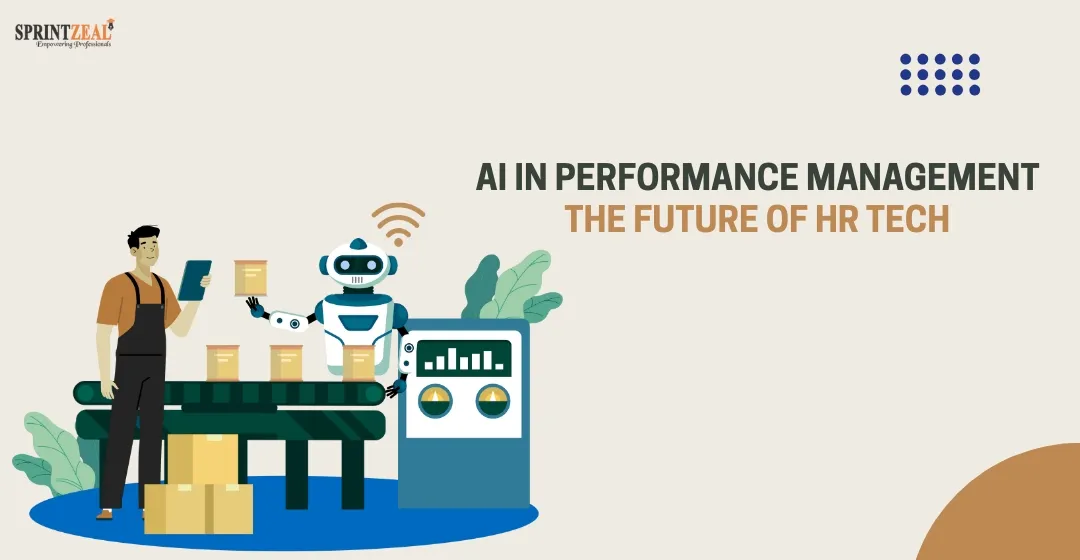
Performance reviews are what used to be a once-a-year event, which required working around lengthy forms, awkward meetings, and lots and lots of vague feedback. Topping it off, no matter how unbiased you may try to be, you could never convince the employees that the performance reviews are based solely on that performance.
But the way we work has changed (a lot), especially in the post-COVID era. Teams are moving faster, working in hybrid and remote setups, goals shifting dynamically, and employees are trying to figure out their performance around all of it.
Traditional methods? Unsurprisingly enough are falling behind the curve.
Many organizations are now turning to AI-powered HR platforms and external expertise to modernize their approach. In fact, many HR consulting firms in Dallas are already helping companies implement smarter performance management systems that use data, automation, and real-time feedback to replace outdated annual review cycles.
And that’s where AI platforms and solutions can step up and transform how performance is tracked, reviewed, and improved. Stay with us as we break down how AI is being used in performance management, the problems it’s solving, its potential, and why it is the future of HR.
5 Common Challenges of Performance Management
We've all been there. When the performance management circus comes to town, nobody's having fun. Not the managers, not the HRs, nor the employees. Moreover, studies indicate that employees are 57% less likely than managers and leaders to view performance management processes as successful.
But why is it so? What makes traditional performance management such a headache?
So what's different about AI-powered performance management? How can artificial intelligence help improve performance management?
Here are five interesting ways in which AI can ease your difficulties.
1. Continuous Review and Feedback:
Rather than point-in-time snapshots and feedback, AI-powered performance management solutions like empmonitor can collect performance data continuously. They can track communications, project completions, peer recognition, and dozens of other signals that build a comprehensive picture.
2. Pattern Recognition that Humans Miss:
Your AI tools, much like an AI Research Assistant, can help you notice that your employees excel when collaborating with certain team members, or that their best work happens on long-term strategic projects rather than quick-turn assignments..
3. Reduced Unconscious Bias:
When properly designed, AI evaluates performance based only on measurable outcomes, not who speaks loudest in meetings or who plays golf with the boss.
4. Predictive Insights on Career Paths:
"Based on your growth in these skills, here are roles you might excel in next." That's powerful information for both employees and managers. It helps give your team the clarity and direction it needs.
5. Time Savings for Everyone Involved:
Managers spend hundreds of hours annually on performance management activities. AI-driven employee performance management software can cut that drastically, freeing them to carry out their core responsibilities and actually manage their team.
As you can see, AI goes beyond just digitizing old processes and surface-level streamlining. It creates entirely new possibilities for helping teams grow and also ensuring that your employees receive their due recognition and appraisal based on their performance.
Irrespective of whatever you may have imagined, AI cannot magically fix performance management. In fact, it may complicate things even further. Here are five issues that’ll need your attention before things run smoothly.
These challenges may appear complex and concerning. But, do keep in mind, all of the issues listed above can be solved with a little bit of planning and due diligence. They're realities to plan for. Smart implementation means facing these issues head-on.
Done right, AI-powered performance systems create more human workplaces, not less. They free managers from paperwork to focus on meaningful coaching. They give employees ongoing guidance instead of once-a-year judgments. These tools help leaders find great talent that might otherwise slip through the cracks. The businesses that’ll truly stand out in the future will be the ones that use them wisely and ethically.
What the future of artificial intelligence is something none of us can even comprehend. Check out what AI-driven performance management solutions have to offer to make the lives of your employees as well as the managers easier. Your journey starts with asking better questions about your current processes—and figuring out what they could become with the right set of tools.
Performance reviews are what used to be a once-a-year event, which required working around lengthy forms, awkward meetings, and lots and lots of vague feedback. Topping it off, no matter how unbiased you may try to be, you could never convince the employees that the performance reviews are based solely on that performance.
But the way we work has changed (a lot), especially in the post-COVID era. Teams are moving faster, working in hybrid and remote setups, goals shifting dynamically, and employees are trying to figure out their performance around all of it.
Traditional methods? Unsurprisingly enough are falling behind the curve.
Many organizations are now turning to AI-powered HR platforms and external expertise to modernize their approach. In fact, many HR consulting firms in Dallas are already helping companies implement smarter performance management systems that use data, automation, and real-time feedback to replace outdated annual review cycles.
And that’s where AI platforms and solutions can step up and transform how performance is tracked, reviewed, and improved. Stay with us as we break down how AI is being used in performance management, the problems it’s solving, its potential, and why it is the future of HR.
We've all been there. When the performance management circus comes to town, nobody's having fun. Not the managers, not the HRs, nor the employees. Moreover, studies indicate that employees are 57% less likely than managers and leaders to view performance management processes as successful.
But why is it so? What makes traditional performance management such a headache?
So what's different about AI-powered performance management? How can artificial intelligence help improve performance management?
Here are five interesting ways in which AI can ease your difficulties.
1. Continuous Review and Feedback:
Rather than point-in-time snapshots and feedback, AI-powered performance management solutions like empmonitor can collect performance data continuously. They can track communications, project completions, peer recognition, and dozens of other signals that build a comprehensive picture.
2. Pattern Recognition that Humans Miss:
Your AI tools, much like an AI Research Assistant, can help you notice that your employees excel when collaborating with certain team members, or that their best work happens on long-term strategic projects rather than quick-turn assignments..
3. Reduced Unconscious Bias:
When properly designed, AI evaluates performance based only on measurable outcomes, not who speaks loudest in meetings or who plays golf with the boss.
4. Predictive Insights on Career Paths:
"Based on your growth in these skills, here are roles you might excel in next." That's powerful information for both employees and managers. It helps give your team the clarity and direction it needs.
5. Time Savings for Everyone Involved:
Managers spend hundreds of hours annually on performance management activities. AI-driven employee performance management software can cut that drastically, freeing them to carry out their core responsibilities and actually manage their team.
As you can see, AI goes beyond just digitizing old processes and surface-level streamlining. It creates entirely new possibilities for helping teams grow and also ensuring that your employees receive their due recognition and appraisal based on their performance.
Irrespective of whatever you may have imagined, AI cannot magically fix performance management. In fact, it may complicate things even further. Here are five issues that’ll need your attention before things run smoothly.
These challenges may appear complex and concerning. But, do keep in mind, all of the issues listed above can be solved with a little bit of planning and due diligence. They're realities to plan for. Smart implementation means facing these issues head-on.
Done right, AI-powered performance systems create more human workplaces, not less. They free managers from paperwork to focus on meaningful coaching. They give employees ongoing guidance instead of once-a-year judgments. These tools help leaders find great talent that might otherwise slip through the cracks. The businesses that’ll truly stand out in the future will be the ones that use them wisely and ethically.
What the future of artificial intelligence is something none of us can even comprehend. Check out what AI-driven performance management solutions have to offer to make the lives of your employees as well as the managers easier. Your journey starts with asking better questions about your current processes—and figuring out what they could become with the right set of tools.

Sprintzeal
Tue, 11 March 2025
Tue, 11 March 2025

Tue, 10 December 2024

© 2024 Sprintzeal Americas Inc. - All Rights Reserved.

 USA : +1315-322-7821
 UK : +44 7700 174870
 IND : +919008230179
 AUS : +61 480 005 455
Leave a comment