IBM Data Breach: Is IBM Really Breach-Proof?
Tue, 28 April 2026

Follow the stories of academics and their research expeditions

The Age of AI in Project Management
The way that artificial intelligence (AI) is turning workflows across industries is not unique to project management. Artificial intelligence-based solutions are helping to manage the growing requirements of managing stakeholder expectations, risks, timetables, and funds. AI in project management makes sure clarity, improves performance, and creates an opportunity for more expert decision-making.
This blog focuses on how artificial intelligence (AI) is turning project management, the systems that are making this possible, and the long-term benefits that companies can earn from applying AI-based solutions.
AI in project management refers to the use of intelligent technologies to improve project planning, execution, and delivery. AI automates tedious tasks, makes projects easier and more effective, and offers predictive capabilities.
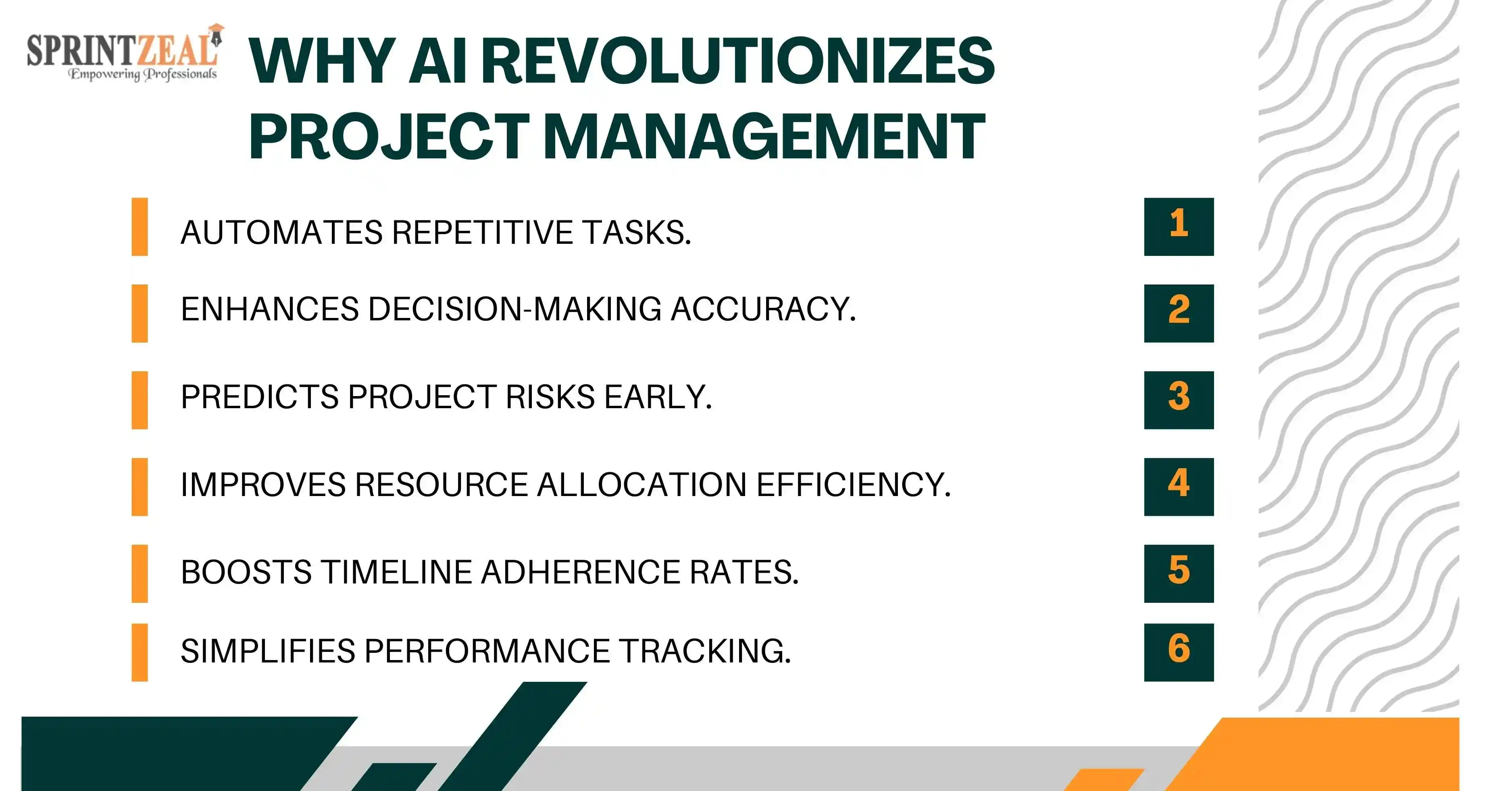
Main Advantages:
Why AI Matters:
As businesses grow and projects become more complex, traditional project management methods struggle to keep pace. AI fills this gap by offering tools that can adapt to dynamic project environments and provide scalability.
The availability of AI-powered tools has revolutionized project management. Here’s a look at some popular tools and their features:
Emerging Technologies:
To improve communication, solve problems, and help in decision-making, project management tools are increasingly putting AI-based virtual assistants like ChatGPT.
Successful project execution relies mostly on task management, and artificial intelligence (AI) in project management has changed the way tasks are completed. AI promises that projects stay on course, resources are suited, and teams stay consistent by fusing real-time data processing with AI technology.
1. Smart Scheduling
AI-driven scheduling tools like Microsoft Project and Smartsheet analyze project timelines, resource availability, and workload distribution to create efficient schedules. These tools adapt dynamically, adjusting timelines based on unforeseen changes like resource availability or project delays. For instance, AI can reassign tasks to available team members if someone calls in sick, ensuring no bottlenecks occur.
AI systems such as Monday.com and Asana help project managers maximize resource efficiency by:
For example, AI can recommend scaling down team involvement during slower project phases and ramping up during critical milestones, saving time and costs.
AI automates routine status updates, reducing manual effort and ensuring real-time visibility. Tools like Slack with AI plugins or Google Workspace send automated notifications about task progress, deadline changes, and pending approvals.
AI tools use machine learning algorithms to prioritize tasks based on urgency, importance, and dependencies. By visualizing workflows in tools like Trello or Jira, teams can focus on high-impact activities without wasting time on redundant tasks.
AI-powered tools such as Harvest or Toggl Track analyze time logs to provide accurate project duration estimates, helping teams plan better for future projects. For instance, by comparing similar completed tasks, AI can predict how long a new task may take, ensuring realistic expectations.
AI identifies potential risks in task execution, such as overlapping responsibilities or insufficient resources, and alerts managers in advance. Predictive analytics tools like Riskalyze ensure that tasks are aligned with the overall project goals without unexpected interruptions.
AI enhances task-related communication through features like:
Real-Life Example
Consider a product launch project with multiple dependencies and tight deadlines. Using AI-powered tools:
Together, these AI capabilities reduce processes within an organization, eliminating human error, saving time, and freeing up teams to focus on project execution's key areas.
Risk Prediction and Real-Time Data Analytics
The ability is indeed one of the AI's best features: to quickly assess vast volumes of data. This capability transforms how projects are monitored and adjusted.
Key Applications:
Example in Action:
AI was able to identify possible supply chain delays for a worldwide IT project, helping the team to modify schedules and prevent expensive interruptions.
The Function of AI in Collaborative Teamwork
In project management, effective collaboration is essential, particularly for teams that are spread out geographically.
AI bridges the gaps by:
AI must arrange meetings based on team availability and ensure that everyone's interests are made aware of critical updates.
AI Tools for Collaboration:
While AI in project management offers numerous advantages, it’s not without challenges:
Solutions:
Future Trends in AI and Project Management
The future of project management will see even deeper integration of AI. Here are some trends to watch:
It is not possible to underestimate the revolutionary possibilities of AI in project management. AI has drastically altered the way projects are organized and carried out, from automating tasks to encouraging teamwork and facilitating decisions based on data.
Enterprises that take AI have the skills to handle the difficulties of contemporary project environments and attain surpassing effectiveness and achievement. The next generation of project management lies in bright, versatile, and creative AI-driven solutions.
The PMP certification programs offered by Sprintzeal aim to provide professionals with modern project management and artificial intelligence skills. Our programs give you the tools you require for achievement whether you're new to the field or want to improve your skills. To start on your path to based on artificial intelligence project excellence, get in touch with us right now!
By automating monotonous tasks, improving scheduling, distributing resources optimally, and giving predictive insights to improve decision-making, artificial intelligence is changing project management.
No, AI cannot take the place of human leadership, creativity, or advantageous decision-making; instead, it supports project managers by controlling repetitive tasks and providing insight derived from data.
By improving teamwork, looking for threats, automating procedures, and allowing more intelligent resource allocation and decision-making, artificial intelligence could streamline management.
Generative AI can assist in creating reports, drafting project plans, predicting outcomes, automating communication, and generating insights to improve project execution and efficiency.

Sprintzeal
Tue, 28 April 2026
Tue, 28 April 2026

Tue, 28 April 2026


© 2024 Sprintzeal Americas Inc. - All Rights Reserved.

 USA : +1315-322-7821
 UK : +44 7700 174870
 IND : +919008230179
 AUS : +61 480 005 455
Leave a comment