What Is Edge Computing? Types, Applications, and the Future
Fri, 06 December 2024

Follow the stories of academics and their research expeditions

The Best Business Analysis Books for 2026
Whenever it comes to linking business objectives with useful technological solutions, business assessment is crucial. Having the appropriate information and resources is more vital than ever as the need for qualified business analysts keeps growing.
The best business analysis books of 2026 offer insightful perspectives on the inspiration, trends, and techniques affecting the field. Whether you're a beginner or an expert in the field, these books help professionals at all levels.
Selecting appropriate the book can help you develop your understanding, hone your analytical ability, and maintain your price advantage in the fast-paced business world of today.
Here’s a detailed look at the best business analysis books of 2026, highlighting the levels they cater to and the key takeaways for professionals:
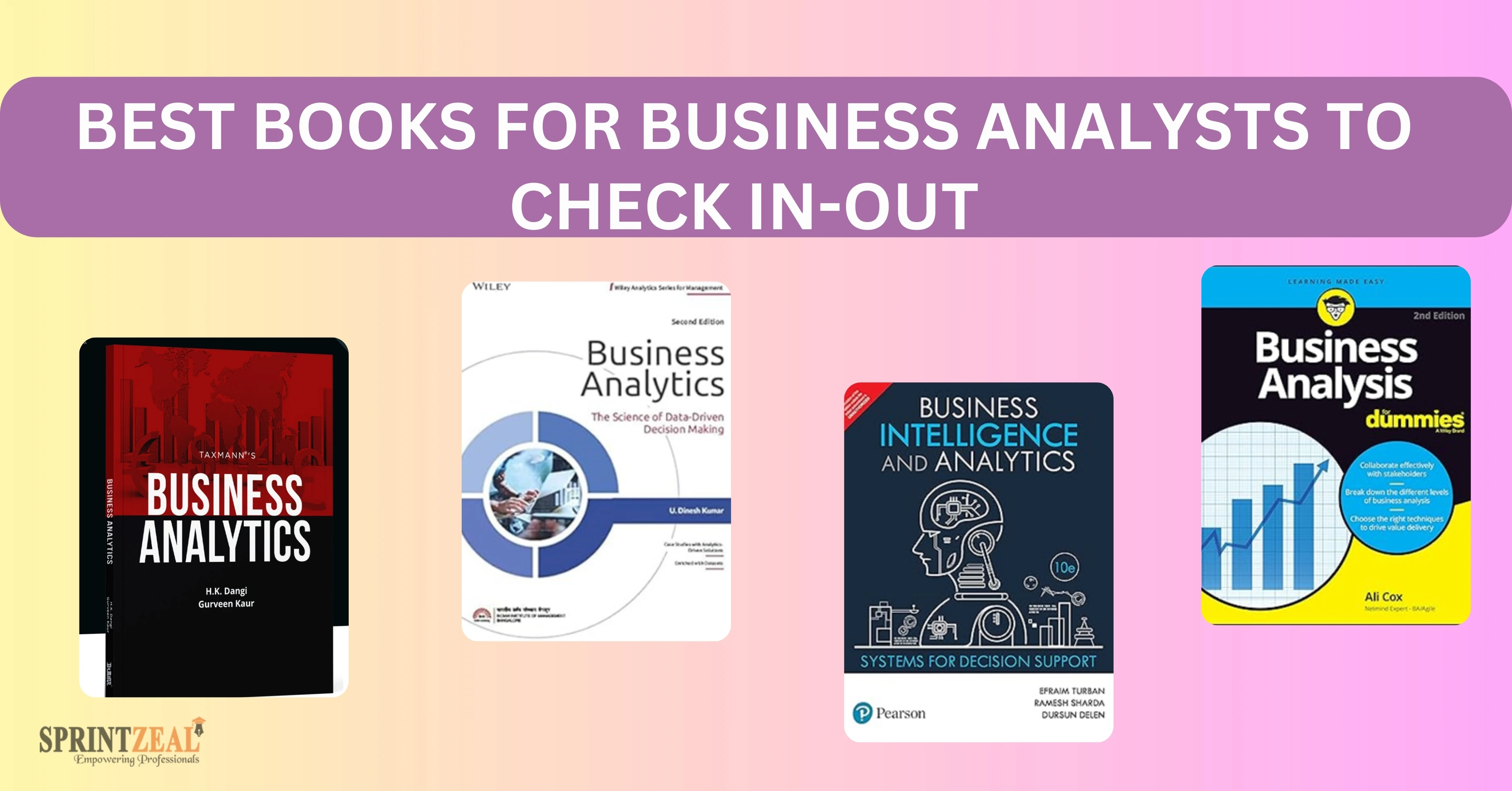
1) Business Analysis Body of Knowledge (BABOK Guide) by IIBA
Level: Beginner to Advanced
The BABOK Guide is a detailed approach that defines fundamental ideas and subject areas like working together, evaluating solutions, and conveying requirements. It is commonly recognized as a hugely important part of business analysts.
Key Takeaways:
2) The Business Analyst’s Handbook by Howard Podeswa
Level: Beginner to Intermediate
For individuals looking for useful tools, methods, and templates to tackle real-world business breakdowns, this handbook is a must-have resource.
Key Takeaways:
Recommended read: Updated Business Analyst Interview Questions and Answers 2026
3) Mastering Business Analysis Standard Practices by Kelley Bruns
Level: Intermediate to Advanced
This book, which focuses on business analysis best practices, is among the best for professional people because it provides practices for problem-solving, stakeholder engagement, and optimisation. Key Takeaways:
4) Requirements Engineering Fundamentals by Klaus Pohl and Chris Rupp
Level: Intermediate
This book covers key techniques for gathering, documenting, and managing requirements. It includes practical methods, examples, and exercises to bridge business needs with technical solutions.
Key Takeaways:
5) Agile and Business Analysis by Debra Paul and Lynda Girvan
Level: Beginner to Advanced
For professionals working in Agile environments, this book is where it's at because it builds trust between Agile methodologies and business analysis.
Key Takeaways:
6) Business Model Generation by Alexander Osterwalder and Yves Pigneur
Level: Beginner to Intermediate
This book, which focuses on developing creative business models, is meant for creative thinkers and includes business planning exercises and visual elements.
Key Takeaways:
7) Strategic Business Analysis: Delivering Business Value through Projects and Programs by Tony Martyr
Level: Advanced
This book focuses on aligning business analysis efforts with organizational strategies, making it ideal for senior professionals aiming to create tangible value.
Key Takeaways:
8) Business Analysis for Dummies by Kupe Kupersmith, Paul Mulvey, and Kate McGoey
Level: Beginner
This book offers beginners a great starting point for grasping fundamental business analysis suggestions and procedures in an quick access.
Key Takeaways:
9) The Art of Business Analysis by Penny Pullan
Level: Intermediate
This book addresses creative approaches to problem-solving and soft skills, which are frequently ignored but are necessary for effective business analysis.
Key Takeaways:
10) The Business Analysis Competency Model by IIBA
Level: Beginner to Advanced
This book offers a roadmap for developing business analysis skills at all levels, making it an essential guide for career growth.
Key Takeaways:
For professionals at all career stages, these top business analysis books offer insightful analysis and useful information. These resources will give you the tools you require for achievement, whether you're improving your strategic thinking, learning Agile techniques, or preparing for certifications.
Books offer a unique chance to learn from subject-matter experts. The top business analysis books of 2026 are carefully chosen to provide both theoretical understanding and practical application. Here's what makes these books unique:
While books are an invaluable resource, combining them with other learning methods can accelerate your growth:
- Take Online Courses: Programs such as CBAP® and CCBA® served to varying skill levels are available on platforms such as Sprintzeal.
- Participate in conferences and workshops: Making interactions with colleagues and business leaders opens up new ideas.
- Make Use of Digital Resources: Look into business analysis-focused YouTube channels, webinars, and podcasts.
- Obtain Certifications: To gain an edge over others, combine professional certifications with theoretical knowledge from books.
The best business analysis books of 2026 act as a road map for achievement, guiding you via the field's complexity while maintaining you ahead of market trends. These resources can be used in conjunction with Sprintzeal's business management training programs and certifications to open up unbeatable career opportunities.
Start your journey today with all the courses that fit your career as a business analyst or take it to new heights. Subscribe to our newsletters and contact us for course assistance.
What is the future of business analysis?
Business analysis has a bright future because of the increasing need for analysts in domains like artificial intelligence (AI), big data, agile projects, and digital transformation programs.
What is the most popular business analysis methodology?
The most widely used methodology is Agile Business Analysis, which highlights stakeholder collaboration, versatility, and going to allow.
What are the 7 stages of business analysis?
The 7 stages include:
- Understanding business needs.
- Analyzing requirements.
- Identifying solutions.
- Evaluating risks.
- Documenting processes.
- Implementing solutions.
- Reviewing outcomes for continuous improvement.
What are the 6 pillars of business analysis?
The 6 pillars are:
- Strategic thinking.
- Requirements analysis.
- Solution assessment.
- Stakeholder communication.
- Process improvement.
- Business acumen.

Sprintzeal
Fri, 06 December 2024
Wed, 16 October 2024

Tue, 01 October 2024


© 2024 Sprintzeal Americas Inc. - All Rights Reserved.

 USA : +1315-322-7821
 UK : +44 7700 174870
 IND : +919008230179
 AUS : +61 480 005 455
Leave a comment