The ABC's of Communication for Marketers & Advertisers
Tue, 11 March 2025

Follow the stories of academics and their research expeditions
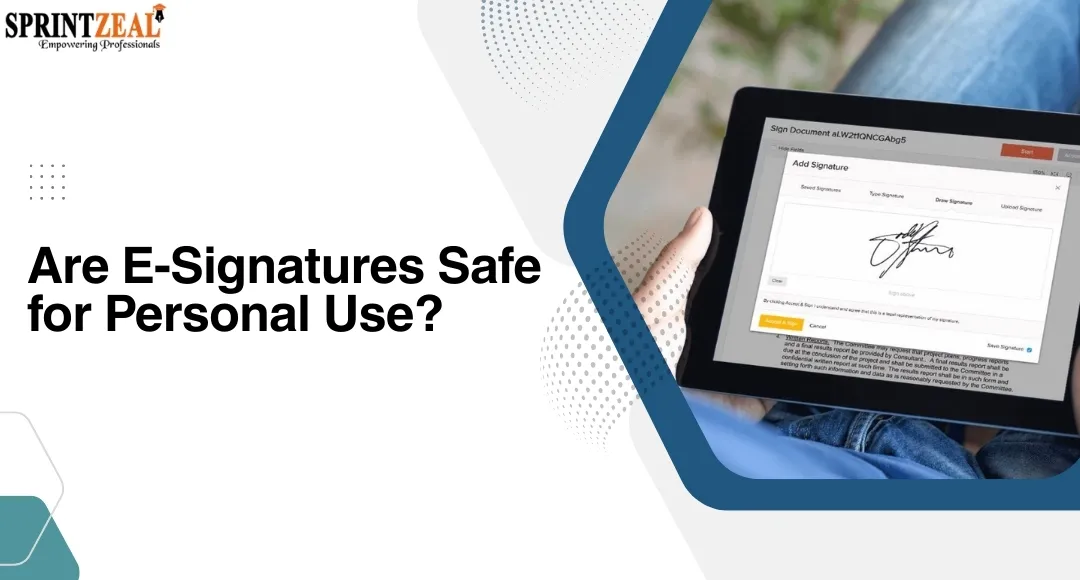
Think about the last time you printed a forty-page contract just to sign the final leaf and scan it back into your computer. This tedious cycle often leads individuals to wonder if there is a more secure and efficient method to handle personal legal documentation in a virtual environment.
Security remains the primary concern for anyone transitioning from traditional ink to electronic formats. Most people want to ensure that a digital signature solution provides the same legal protections and tamper-evident features as a physical notary.
Electronic signatures rely on complex cryptographic protocols to verify the identity of the signer and the integrity of the document. When a user applies a signature, the system creates a unique hash that acts as a digital fingerprint for that specific version of the file.
Public Key Infrastructure, or PKI, serves as the gold standard for securing personal electronic transactions. This system uses a pair of keys, one public and one private, to encrypt and decrypt the signature data during the transmission process.
A robust audit trail records every action taken on a document, including the IP address of the signer and the exact time of the interaction. These logs are often embedded within the file itself to provide a permanent record of the chain of custody.
Digital certificates act as electronic passports issued by trusted Certificate Authorities to verify that the signer is who they claim to be. These certificates prevent malicious actors from spoofing identities or altering the content of a personal agreement after it has been finalized.
Specific technical requirements must be met to ensure that an electronic signature is truly resilient against fraud.
The following technical attributes are necessary for maintaining high-level security in personal digital transactions:
Advanced Encryption Standard 256-bit protocols protect data both while it is stored on servers and while it moves across the internet.
Two-factor authentication requires signers to enter a code sent via SMS or email before they can access the signing interface.
Biometric verification options allow users to confirm their identity using fingerprints or facial recognition on mobile devices.
Document sealing technology uses a digital "blue ribbon" that breaks and alerts all parties if any character in the text is modified post-signature.
These features collectively create a defensive perimeter that makes electronic signatures significantly harder to forge than a standard ink signature. Most modern platforms include these tools as part of their standard personal subscription tier.
The United States federal government established the legal framework for these tools through the ESIGN Act of 2000. This legislation dictates that a contract cannot be denied legal effect or enforceability solely because it is in an electronic format.
The Uniform Electronic Transactions Act provides similar protections at the state level across most of the country. These laws ensure that your personal lease agreements, employment contracts, and financial documents hold up in a court of law.
Specific criteria must be satisfied for a signature to be considered legally binding under these statutes. The legal framework requires the following conditions to be met for a valid personal electronic signature:
The signer must demonstrate a clear intent to sign, which is usually evidenced by clicking an "Adopt Signature" button.
Consent to do business electronically must be explicitly granted by the individual before the transaction commences.
The system must provide a way for the signer to retain a copy of the completed record for their personal archives.
Associated records must be kept in a format that can be accurately reproduced for all parties who have a legal right to access them.
The presence of these legal safeguards means that an individual can confidently use digital tools for major life events. Failure to meet these specific criteria can result in a document being challenged, so choosing a compliant provider is vital.
As digital transactions continue to evolve, many individuals and organizations also rely on an online notary service to add an additional layer of legal assurance to important documents. Modern remote online notarization solutions are designed to comply with the ESIGN Act and UETA, while incorporating robust identity verification, KYC checks, and credential analysis to confirm signer authenticity.
Safety in the digital realm also depends on how a service provider handles your sensitive information and metadata. Users should investigate where their data is stored and whether the provider adheres to global privacy regulations like the GDPR or CCPA.
Choosing a reputable platform reduces the risk of data breaches that could expose personal identifiers. It is advisable to use strong, unique passwords for any account that stores your electronic signature or sensitive personal contracts.
Final Considerations
Electronic signatures offer a level of security that often exceeds the capabilities of traditional paper-based methods. The combination of cryptographic encryption, detailed audit logs, and federal legal backing creates a reliable environment for personal business.
Individuals should remain vigilant by verifying the security settings of their chosen platform and ensuring two-factor authentication is active. Adopting these digital habits allows you to manage your personal affairs with both speed and peace of mind.
Electronic signatures rely on complex cryptographic protocols to verify the identity of the signer and the integrity of the document. When a user applies a signature, the system creates a unique hash that acts as a digital fingerprint for that specific version of the file.
Public Key Infrastructure, or PKI, serves as the gold standard for securing personal electronic transactions. This system uses a pair of keys, one public and one private, to encrypt and decrypt the signature data during the transmission process.
A robust audit trail records every action taken on a document, including the IP address of the signer and the exact time of the interaction. These logs are often embedded within the file itself to provide a permanent record of the chain of custody.
Digital certificates act as electronic passports issued by trusted Certificate Authorities to verify that the signer is who they claim to be. These certificates prevent malicious actors from spoofing identities or altering the content of a personal agreement after it has been finalized.
Specific technical requirements must be met to ensure that an electronic signature is truly resilient against fraud.
The following technical attributes are necessary for maintaining high-level security in personal digital transactions:
These features collectively create a defensive perimeter that makes electronic signatures significantly harder to forge than a standard ink signature. Most modern platforms include these tools as part of their standard personal subscription tier.
The United States federal government established the legal framework for these tools through the ESIGN Act of 2000. This legislation dictates that a contract cannot be denied legal effect or enforceability solely because it is in an electronic format.
The Uniform Electronic Transactions Act provides similar protections at the state level across most of the country. These laws ensure that your personal lease agreements, employment contracts, and financial documents hold up in a court of law.
Specific criteria must be satisfied for a signature to be considered legally binding under these statutes. The legal framework requires the following conditions to be met for a valid personal electronic signature:
The presence of these legal safeguards means that an individual can confidently use digital tools for major life events. Failure to meet these specific criteria can result in a document being challenged, so choosing a compliant provider is vital.
As digital transactions continue to evolve, many individuals and organizations also rely on an online notary service to add an additional layer of legal assurance to important documents. Modern remote online notarization solutions are designed to comply with the ESIGN Act and UETA, while incorporating robust identity verification, KYC checks, and credential analysis to confirm signer authenticity.
Safety in the digital realm also depends on how a service provider handles your sensitive information and metadata. Users should investigate where their data is stored and whether the provider adheres to global privacy regulations like the GDPR or CCPA.
Choosing a reputable platform reduces the risk of data breaches that could expose personal identifiers. It is advisable to use strong, unique passwords for any account that stores your electronic signature or sensitive personal contracts.
Electronic signatures offer a level of security that often exceeds the capabilities of traditional paper-based methods. The combination of cryptographic encryption, detailed audit logs, and federal legal backing creates a reliable environment for personal business.
Individuals should remain vigilant by verifying the security settings of their chosen platform and ensuring two-factor authentication is active. Adopting these digital habits allows you to manage your personal affairs with both speed and peace of mind.

Sprintzeal
Tue, 11 March 2025
Tue, 11 March 2025

Tue, 10 December 2024


© 2024 Sprintzeal Americas Inc. - All Rights Reserved.

 USA : +1315-322-7821
 UK : +44 7700 174870
 IND : +919008230179
 AUS : +61 480 005 455
Leave a comment