What Is Edge Computing? Types, Applications, and the Future
Fri, 06 December 2024

Follow the stories of academics and their research expeditions

These days, companies must have a Project Management Office (PMO) as a strategic necessity, not an annual growth rate. As a business grows and undertakes increasingly complex projects, a centrally controlled project management hub is needed to secure stability, responsibility, and strategic alignment. As to if your company is small or large, a PMO can convert your program on time and within budget. project approach to management by reducing risks, encouraging collaboration, and completing projects on This guide will outline the benefits process of developing a PMO and walk you through the one, up to scratch, and provide helpful tips to get one.
A Project Management Office (PMO) is a division or group inside a company that is in charge of standardizing project procedures and making sure that initiatives are in connection with overall business goals.
Key Roles of a PMO:
Different Types of PMOs:
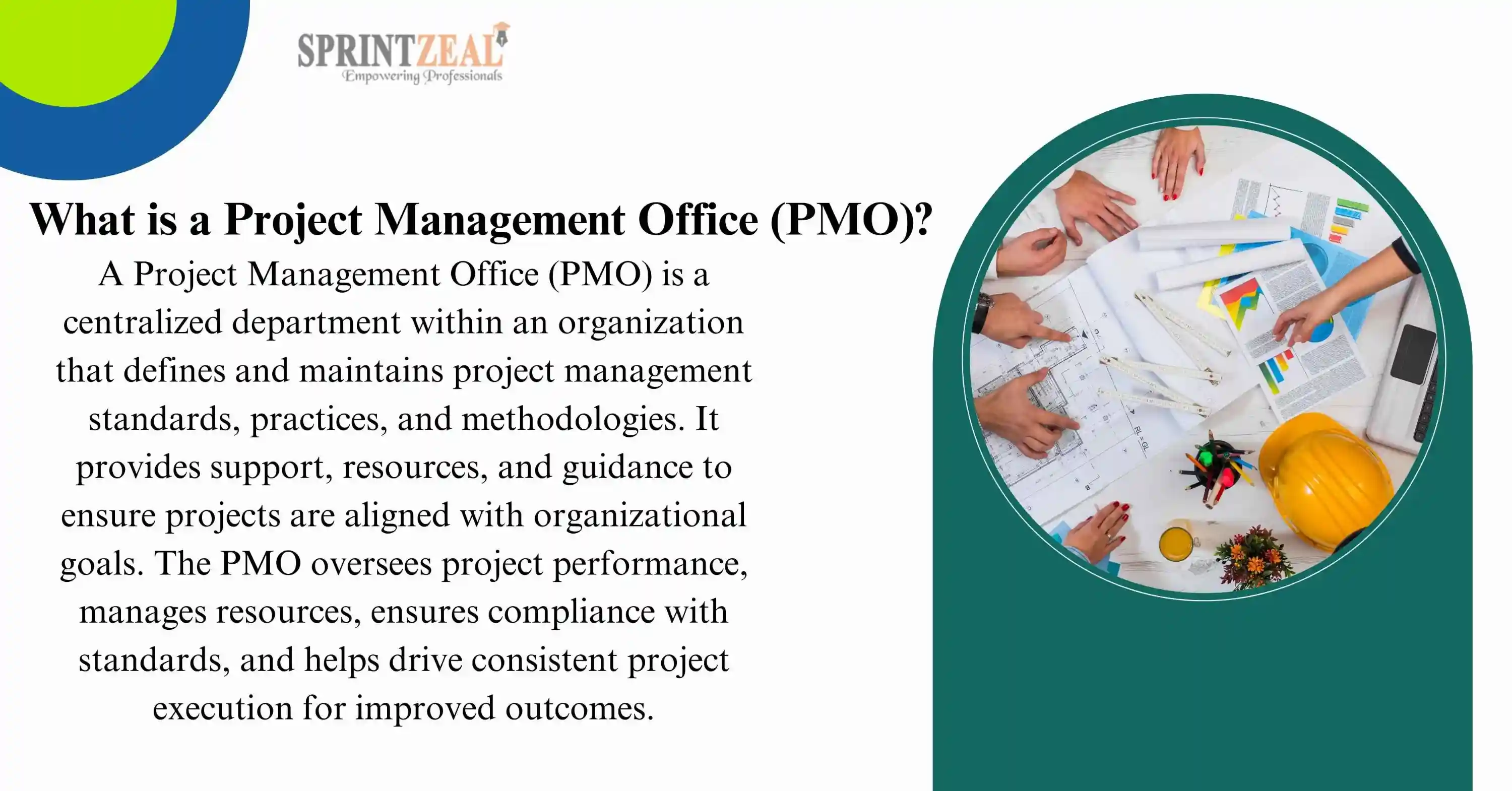
Starting a PMO benefits your organization by:
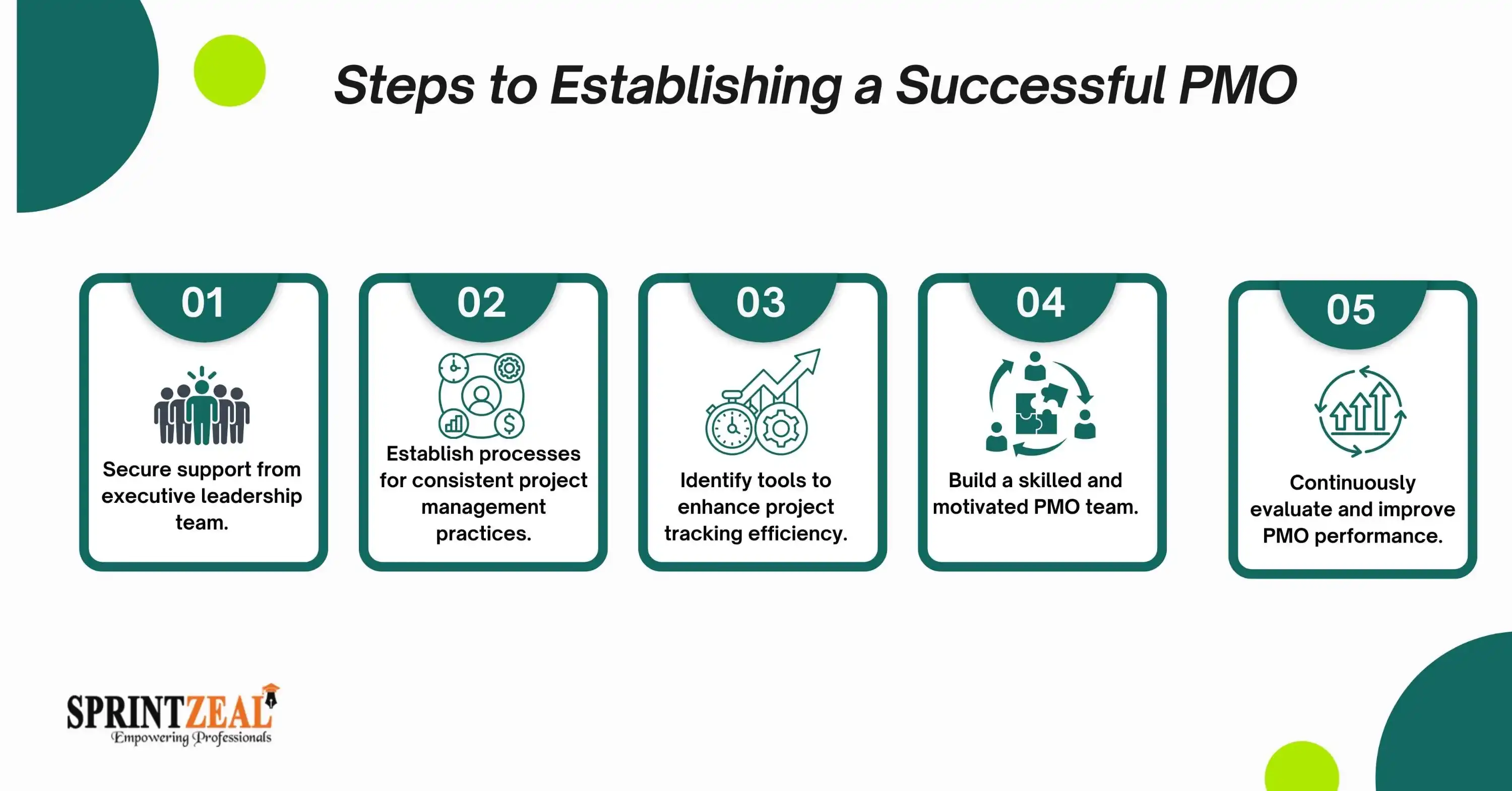
1) Identify Business Objectives
Before establishing a PMO, understand your organization's goals and challenges. Define the value the PMO will bring.
Questions to Ask:
2) Secure Stakeholder Support
Executives and stakeholders are on be board for a PMO to be effective. Draw attention to the benefits of a PMO, such as productivity increases, lower costs, and good project outcomes.
Tips to Gain Support:
3) Specify the PMO's Structure and Scope
Explain the PMO's responsibilities, duties, and scope. Select if it will be directive, controlling, or encouraging
Key Considerations:
4) Develop Standardized Processes and Methodologies
Create a set of processes, tools, and templates that project teams can use. Standardization ensures consistency and simplifies project execution.
Essential Templates:
5) Choose the Right Tools and Technology
Invest in project management software to streamline operations. Jira, Trello, and Monday.com are a few examples of tools that enable effective task tracking, team spirit, and trying to report.
Factors to Consider:
6) Build a Skilled Team
Recruit experienced professionals who can drive the PMO’s vision. The team should include:
7) Implement in Phases
Instead of launching the PMO across the organization at once, start small. Roll out the PMO in a single department or pilot project. Gather feedback, refine processes, and scale gradually.
8) Measure Success and Continuously Improve
To judge the PMO's performance and make modifications, use data-driven metrics.
Key Metrics to Track:
Major features of an effective PMO:
- Strategic Alignment: Assures that every project continues to advance corporate goals.
- Transparency: Encourages genuine dialogue and obligation.
- Adaptability: Continuously changes to satisfy trying to shift business requirements.
- Support from Leadership: Offered by executives who identify its importance.
Sprintzeal offers training and certification programs designed to empower professionals in project management. With globally recognized accreditations, our courses prepare you to build and manage PMOs effectively.
Popular Sprintzeal Courses:
PMP® Certification
PMI PBA Certification Training
PRINCE2® Certification
Take the first step toward PMO excellence with Sprintzeal’s expert-led programs. Contact us for more course assistance.
Creating a Project Management Office (PMO) is a good move that will charge off for your company in the long run. In addition to coordinating initiatives with business goals, including reviewing, and boosting resource management, emerged as a key PMO component of improving operations. By following the instructions in this guide, you will be ready to produce a PMO that promotes productivity, creative thinking, and growth.
How do I start a PMO office?
To start a Project Management Office (PMO), define its purpose, secure stakeholder support, create standardized processes, recruit skilled staff, and implement tools and technologies. Begin with a pilot phase and scale gradually.
How do I start a project PM?
Start program management by trying to establish goals, drafting a plan, trying to put together a team, and deadlines, and using software to monitor development and guarantee clear communication.
How can I become a PMO?
To become a PMO leader, you must obtain project management experience, obtain certifications including such PMP® or PRINCE2®, and fine-tune your leadership, strategic plan, and resource management abilities.
What is the PMO structure of a project management office?
Project managers, business analysts, support personnel, and PMO directors are among the positions typically occurring in the PMO structure. The needs of the organization will decide whether it is proactive, attempting to control, or supportive.

Sprintzeal
Fri, 06 December 2024
Wed, 16 October 2024

Tue, 01 October 2024


© 2024 Sprintzeal Americas Inc. - All Rights Reserved.

 USA : +1315-322-7821
 UK : +44 7700 174870
 IND : +919008230179
 AUS : +61 480 005 455
Leave a comment