The ABC's of Communication for Marketers & Advertisers
Tue, 11 March 2025

Follow the stories of academics and their research expeditions
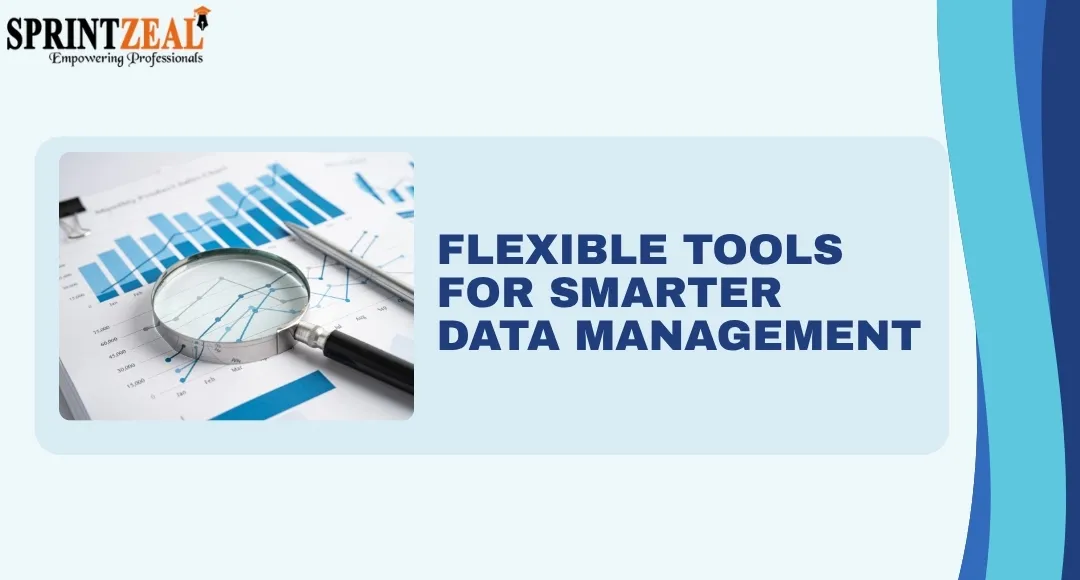
Most data problems do not begin with some giant system failure. They start with little things. A duplicate record here, a missing field there, a team using one tool while another team tracks the same work somewhere else. At first, it feels manageable. Then a few months pass, the business grows, and suddenly nobody is fully sure which version of the data is correct.
That’s usually when people start looking at their stack with fresh eyes.
The hard part is that bad data handling creates two kinds of waste at once. It wastes time, obviously, because people keep fixing the same issues by hand. But it also wastes money, since businesses often keep paying for tools that no longer fit how they actually work. That combination gets annoying fast. And honestly, it sneaks up on teams more often than they expect.
A lot of companies stay with familiar systems too long for this exact reason. Changing tools feels disruptive. It feels risky. So they keep patching things together until the patchwork itself becomes the problem.
This is one reason people spend so much time comparing Airtable alternatives. It’s rarely because the original tool is terrible. Usually it’s because the team has changed. The volume of data has changed. The workflow has gotten stranger, or bigger, or more specific than expected.
One team may need better permissions. Another may need stronger reporting. Another just wants something that doesn’t get expensive so quickly as usage expands. That’s a common breaking point, actually.
And when people start exploring other options, they often realize the real issue was never just the tool. It was the mismatch between the tool and the way the team now operates. A platform can work beautifully for a 10-person group and feel awkward for a 60-person one. Same product, different reality.
That’s why flexibility matters so much in data work. You want systems that can hold structure without becoming stiff. A little room to grow. A little room to change. Otherwise every new process turns into another workaround, and workarounds have a way of piling up until nobody can see the original process anymore.
What gets interesting is how often these same data habits show up outside the usual software conversation. Cost-sensitive industries deal with this all the time. A business tracking prices, service tiers, regional demand, and customer questions needs clean records even if it is not a tech company in the usual sense.
Take something like Nevada cremation costs. That sounds very specific, and it is, but it also shows how pricing data can get messy fast when providers, locations, service levels, and customer expectations all vary. If the underlying data is inconsistent, people make bad comparisons, quote the wrong numbers, or answer questions with outdated information.
That’s not really a software problem first. It’s a data organization problem.
And once you see that, a lot of business decisions start looking different. Pricing, sales, customer service, even content strategy all depend on whether the information behind them is current and easy to access. When it isn’t, the cost shows up everywhere. In delays. In errors. In customer confusion.
That’s why “good enough” systems tend to stop being good enough once a business starts handling more detail across more categories.
A lot of people think data handling is mostly about rows, fields, dashboards, and exports. Which, sure, that’s part of it. But conversation data matters too, and more teams are starting to treat it that way.
That’s where conversational intelligence software becomes useful. It helps businesses study what customers are actually asking, how sales calls are going, where support teams get stuck, and which patterns keep repeating. That kind of information can be incredibly helpful. But only if it is organized well enough to turn into action.
Otherwise it’s just a giant pile of transcripts and call recordings.
This is where versatile tools really earn their keep. You may need one system to capture conversations, another to sort themes, and another to connect those themes back to pricing, product issues, or customer records. It can sound messy, and honestly, sometimes it is messy. But when those pieces start lining up, teams stop guessing so much.
They can see what customers keep asking about. They can spot where information is missing. They can notice when a pricing question appears over and over again and realize the issue is not the customer, it’s the way the business is presenting the information.
That kind of clarity is worth a lot.
That may be the least exciting truth in all of this. The best data setup usually does not feel flashy. It feels boring in a good way. Records are easy to find. Reports make sense. Pricing is current. Teams are not arguing over which spreadsheet is right.
That’s the goal.
Some businesses get there by testing Airtable alternatives until they find a better match. Others discover their real gaps while organizing niche information like Nevada cremation costs. Others improve decision-making through conversational intelligence software that turns messy call data into something useful. Different path, same basic lesson.
When tools fit the work, the work gets lighter. Not magically simple. Just lighter, clearer, and less wasteful than before. And for most teams, that’s a pretty good trade.
This is one reason people spend so much time comparing Airtable alternatives. It’s rarely because the original tool is terrible. Usually it’s because the team has changed. The volume of data has changed. The workflow has gotten stranger, or bigger, or more specific than expected.
One team may need better permissions. Another may need stronger reporting. Another just wants something that doesn’t get expensive so quickly as usage expands. That’s a common breaking point, actually.
And when people start exploring other options, they often realize the real issue was never just the tool. It was the mismatch between the tool and the way the team now operates. A platform can work beautifully for a 10-person group and feel awkward for a 60-person one. Same product, different reality.
That’s why flexibility matters so much in data work. You want systems that can hold structure without becoming stiff. A little room to grow. A little room to change. Otherwise every new process turns into another workaround, and workarounds have a way of piling up until nobody can see the original process anymore.
What gets interesting is how often these same data habits show up outside the usual software conversation. Cost-sensitive industries deal with this all the time. A business tracking prices, service tiers, regional demand, and customer questions needs clean records even if it is not a tech company in the usual sense.
Take something like Nevada cremation costs. That sounds very specific, and it is, but it also shows how pricing data can get messy fast when providers, locations, service levels, and customer expectations all vary. If the underlying data is inconsistent, people make bad comparisons, quote the wrong numbers, or answer questions with outdated information.
That’s not really a software problem first. It’s a data organization problem.
And once you see that, a lot of business decisions start looking different. Pricing, sales, customer service, even content strategy all depend on whether the information behind them is current and easy to access. When it isn’t, the cost shows up everywhere. In delays. In errors. In customer confusion.
That’s why “good enough” systems tend to stop being good enough once a business starts handling more detail across more categories.
A lot of people think data handling is mostly about rows, fields, dashboards, and exports. Which, sure, that’s part of it. But conversation data matters too, and more teams are starting to treat it that way.
That’s where conversational intelligence software becomes useful. It helps businesses study what customers are actually asking, how sales calls are going, where support teams get stuck, and which patterns keep repeating. That kind of information can be incredibly helpful. But only if it is organized well enough to turn into action.
Otherwise it’s just a giant pile of transcripts and call recordings.
This is where versatile tools really earn their keep. You may need one system to capture conversations, another to sort themes, and another to connect those themes back to pricing, product issues, or customer records. It can sound messy, and honestly, sometimes it is messy. But when those pieces start lining up, teams stop guessing so much.
They can see what customers keep asking about. They can spot where information is missing. They can notice when a pricing question appears over and over again and realize the issue is not the customer, it’s the way the business is presenting the information.
That kind of clarity is worth a lot.
That may be the least exciting truth in all of this. The best data setup usually does not feel flashy. It feels boring in a good way. Records are easy to find. Reports make sense. Pricing is current. Teams are not arguing over which spreadsheet is right.
That’s the goal.
Some businesses get there by testing Airtable alternatives until they find a better match. Others discover their real gaps while organizing niche information like Nevada cremation costs. Others improve decision-making through conversational intelligence software that turns messy call data into something useful. Different path, same basic lesson.
When tools fit the work, the work gets lighter. Not magically simple. Just lighter, clearer, and less wasteful than before. And for most teams, that’s a pretty good trade.

Sprintzeal
Tue, 11 March 2025
Tue, 11 March 2025

Tue, 10 December 2024

© 2024 Sprintzeal Americas Inc. - All Rights Reserved.

 USA : +1315-322-7821
 UK : +44 7700 174870
 IND : +919008230179
 AUS : +61 480 005 455
Leave a comment