What Is Edge Computing? Types, Applications, and the Future
Fri, 06 December 2024

Follow the stories of academics and their research expeditions

To make project management tasks more efficient, a Project Management Information System (PMIS) is a framework that involves multiple tools, methods, and technologies. It is meant to help teams but also project managers plan, bring out, and complete tasks effectively by automating repetitive tasks and coordinating data. Businesses trying so hard for successful project delivery discover that a PMIS is an indispensable tool because it encourages information decision-making, better communication, and tracks progress in real time.
Knowing the definition of a project management information system will not be enough to comprehend what it is. It's about recognizing its value as a business infrastructure that seamlessly links interested parties, team members, and project managers. A PMIS is an essential tool for successful project delivery because it automates processes, aggregates data, and gives real-time insights into project performance. From tracking resources to controlling risks, a PMIS helps the team overcome challenges and effectively accomplish their goals. These systems are an important asset for organizational contexts if they are in charge of small projects or comprehensive programs.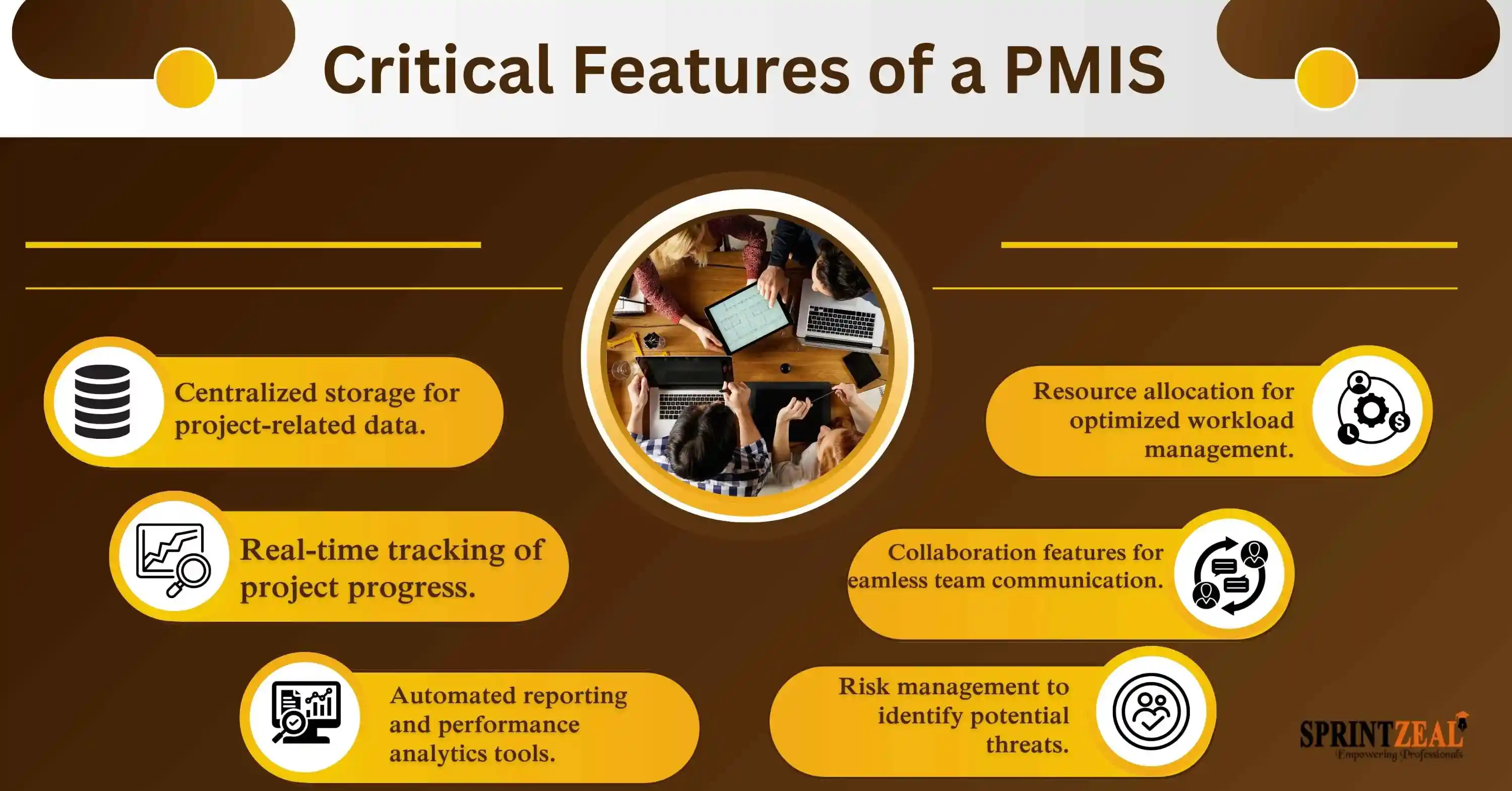
A PMIS is equipped with a range of features tailored to simplify and enhance the management of projects, from inception to completion. These features are designed to address critical project needs and improve overall efficiency.
Examples of PMIS
- A document management system that organizes and tracks data using tools like Microsoft Excel.
- A comprehensive PMIS integrating various project management tools with tailored workflows and processes for efficient project execution.
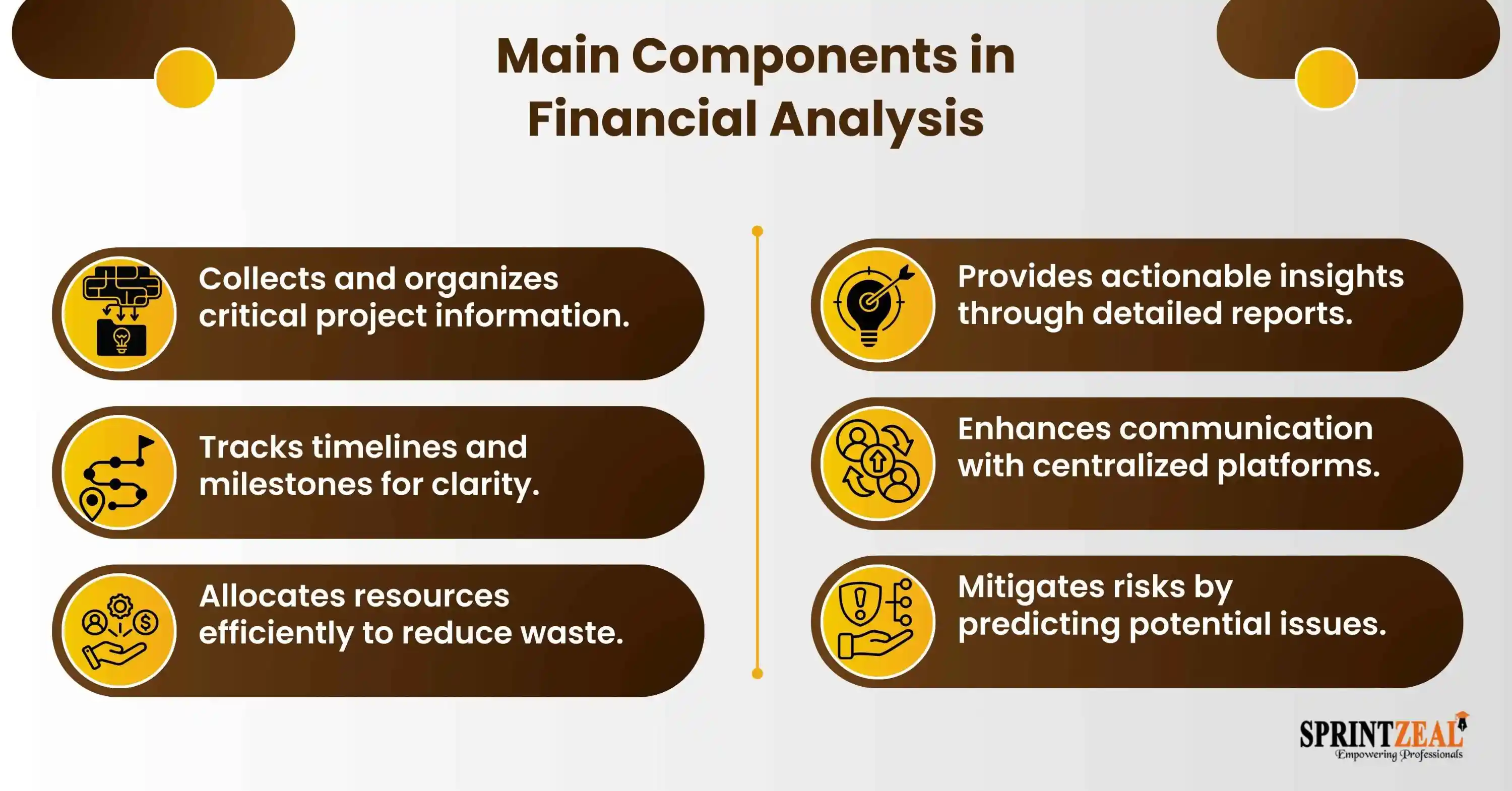
By giving clarification and control to all aspects of transforming the way management process, a PMIS can projects are managed. The benefits the company in growth strategies and go beyond operational additions.
Selecting the right PMIS requires careful consideration of your organization’s needs and objectives. A well-chosen PMIS not only fits current requirements but also grows with your business.
Modern PMIS platforms utilize innovative tools and technologies to streamline project workflows and enhance productivity. Each tool offers unique features catering to diverse project requirements.
Using a PMIS has its own set of challenges. Successfully addressing these guarantees a seamless transition and optimizes the system's advantages.
High Costs
The evolution of PMIS is driven by advancements in technology and changing business needs. Understanding these trends can help organizations stay ahead of the curve.
What is a Project Management Information System for business owners? The system is a very important project management information tool. PMIS follows a set of rules to complete projects on schedule and within budget by streamlining complex procedures, improving teamwork, and offering key information. Companies should think about combining a PMIS into their processes when they want to achieve quality workflows and results. Are you prepared for the challenges as a program manager? At Sprintzeal, we offer comprehensive guidance concepts and methods. PMP Certifications to help you become an expert in program management. Viewpoints to further their careers and produce exceptional results are the target audience for our programs. Enroll today, contact us for the best assistance and transform your project management expertise!
What do you mean by project management information system?
A Project Management Information System (PMIS) is a software-based tool that manages project planning, operation, tracking, and reporting by arranging data and simplifying processes.
What is an example of a project information system?
Asana, Monday.com, and Microsoft Project are a few examples of platforms that offer collaboration, task management, and progress capability tracking.
What is a project in information systems?
A project in information systems refers to a temporary effort to design, develop, or implement software, infrastructure, or IT solutions to meet specific business goals.
What is a PMO information system?
A PMO Information System supports the Project Management Office by standardizing processes, tracking project portfolios, and ensuring alignment with organizational objectives.

Sprintzeal
Fri, 06 December 2024
Wed, 16 October 2024

Tue, 01 October 2024


© 2024 Sprintzeal Americas Inc. - All Rights Reserved.

 USA : +1315-322-7821
 UK : +44 7700 174870
 IND : +919008230179
 AUS : +61 480 005 455
Leave a comment